Plaud Note
$159.00
Plaud Note Review: Is This AI Voice Recorder Worth Your $159?
TLDR
Plaud Note is a genuinely useful credit-card-sized AI recorder, but the real cost of ownership only shows up after you pay for the hardware.
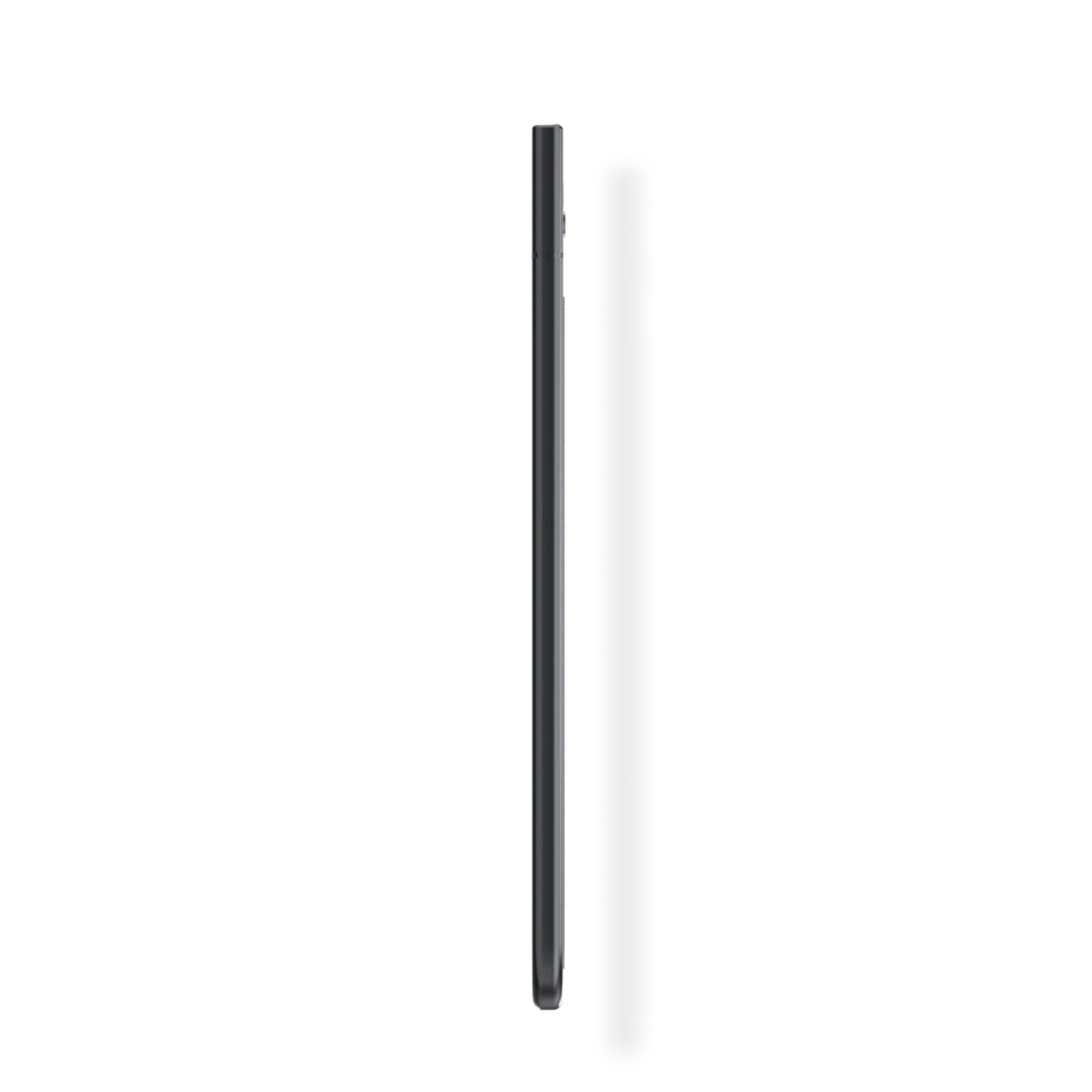
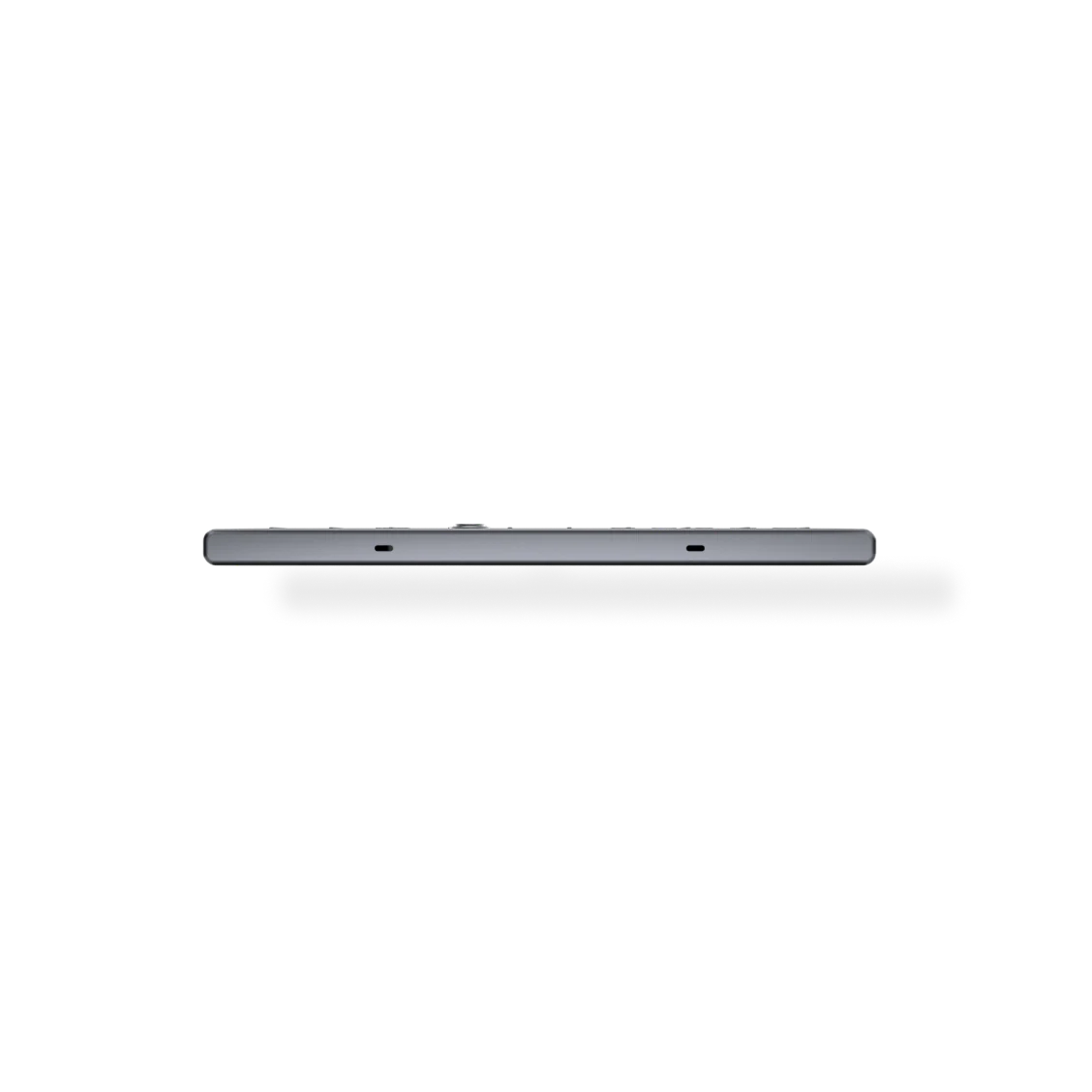
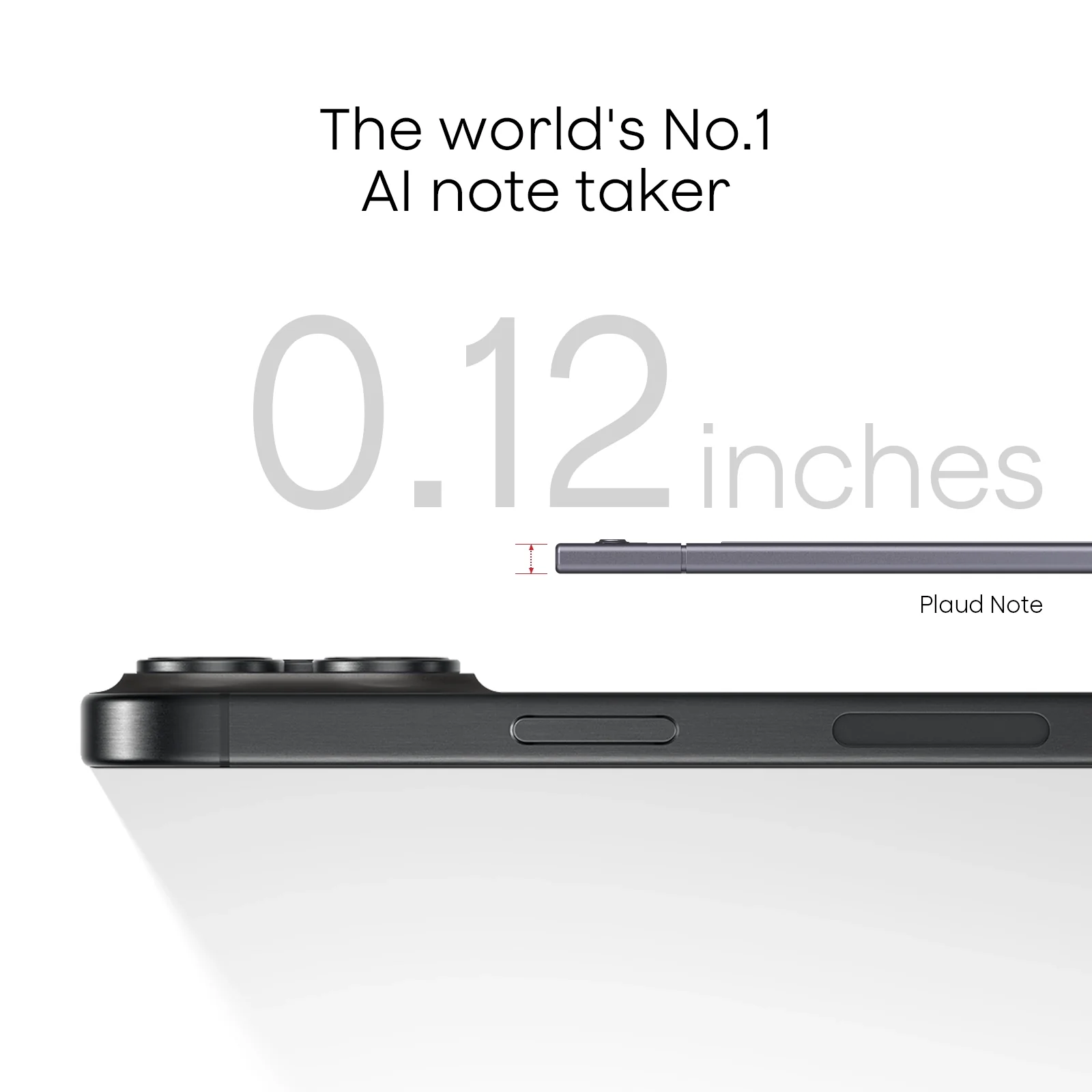
- What it is: A 0.12-inch, MagSafe-style recorder that clips to your phone and captures both in-person conversations and phone calls.
- Who it’s for: Sales reps, lawyers, consultants, journalists, and anyone stuck in back-to-back meetings who wants transcripts without touching an app mid-conversation.
- Top strengths: Clean, accurate transcription in quiet-to-moderate noise, genuinely useful AI summaries, long battery life, and a slim design people forget they’re carrying.
- Biggest limitation: The 300 free minutes a month runs out fast for heavy users, and you’re locked into a proprietary charging cable and Plaud’s own app ecosystem.
- Quick verdict: Buy it if you’re in three or more meetings a week and hate typing notes; skip it if most of your calls happen on Zoom, where software-only tools already do this for free.
Introduction
Here’s the problem with meetings: you either listen or you take notes, and doing both well at the same time is basically a myth. Plaud built an entire company around that gap, and the Plaud Note – its flagship, credit-card-shaped recorder – has become one of the most talked-about gadgets in the “AI note taker” category, currently sitting at 4.9 stars across more than 1,000 reviews on its own site and a similarly strong showing on the App Store. But star ratings on a brand’s own storefront tell you what happy customers who bothered to leave five stars think. They don’t tell you what happens six months in, when the free transcription minutes run dry or the charging cable goes missing.
So I dug through what people are actually saying once the honeymoon period ends – Reddit threads, App Store reviews, independent tech reviews, and retailer feedback – to figure out whether the Plaud Note lives up to the hype or just photographs well.
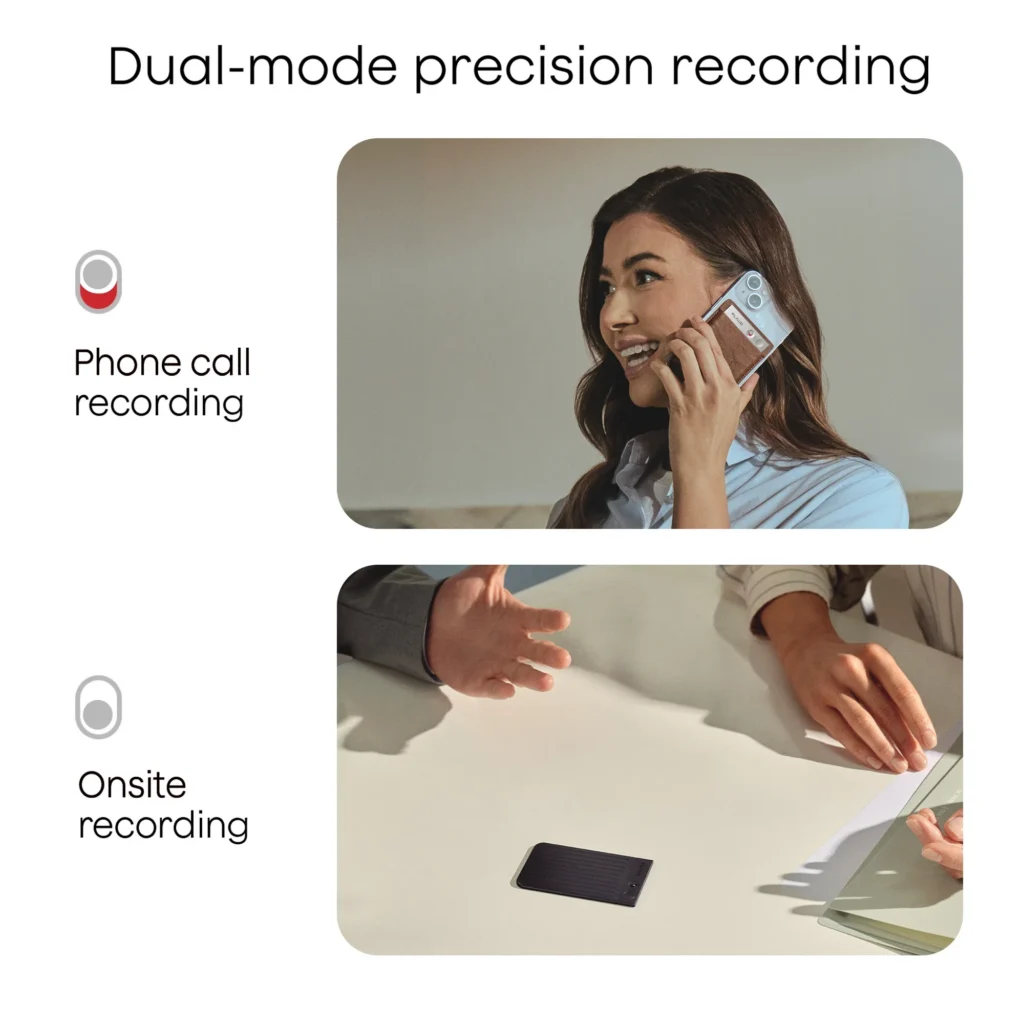
Photo: Plaud
What Is the Plaud Note and Who’s It For
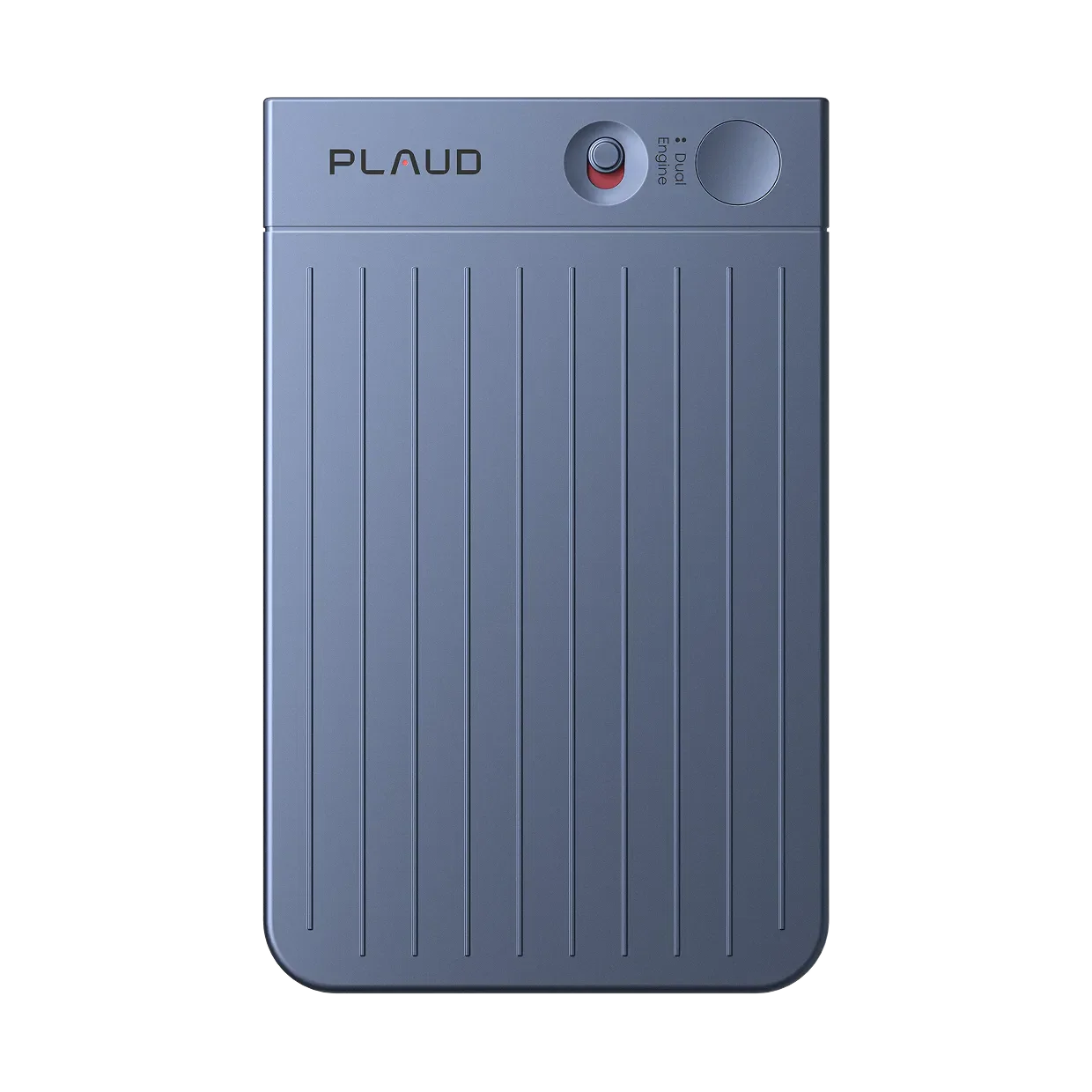
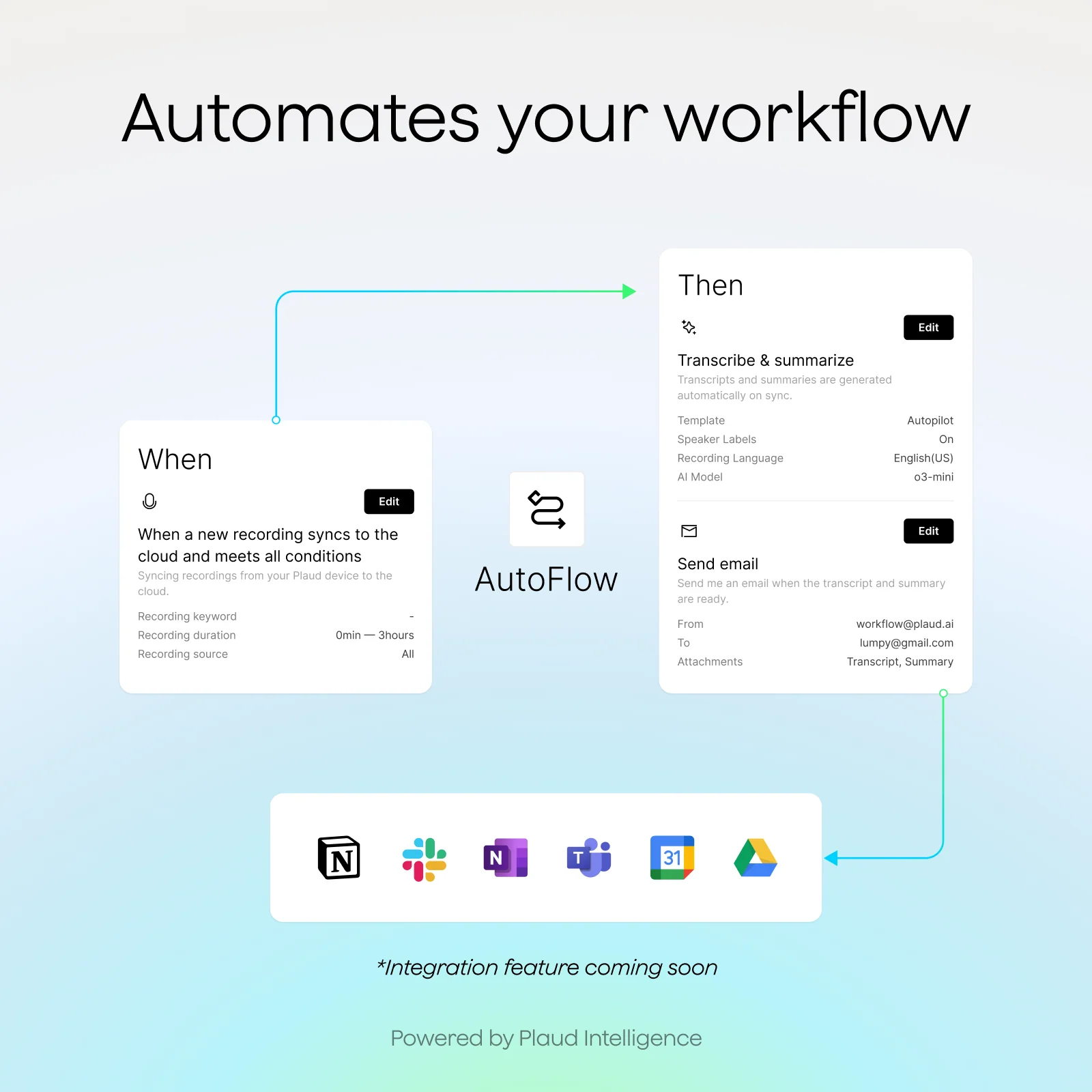
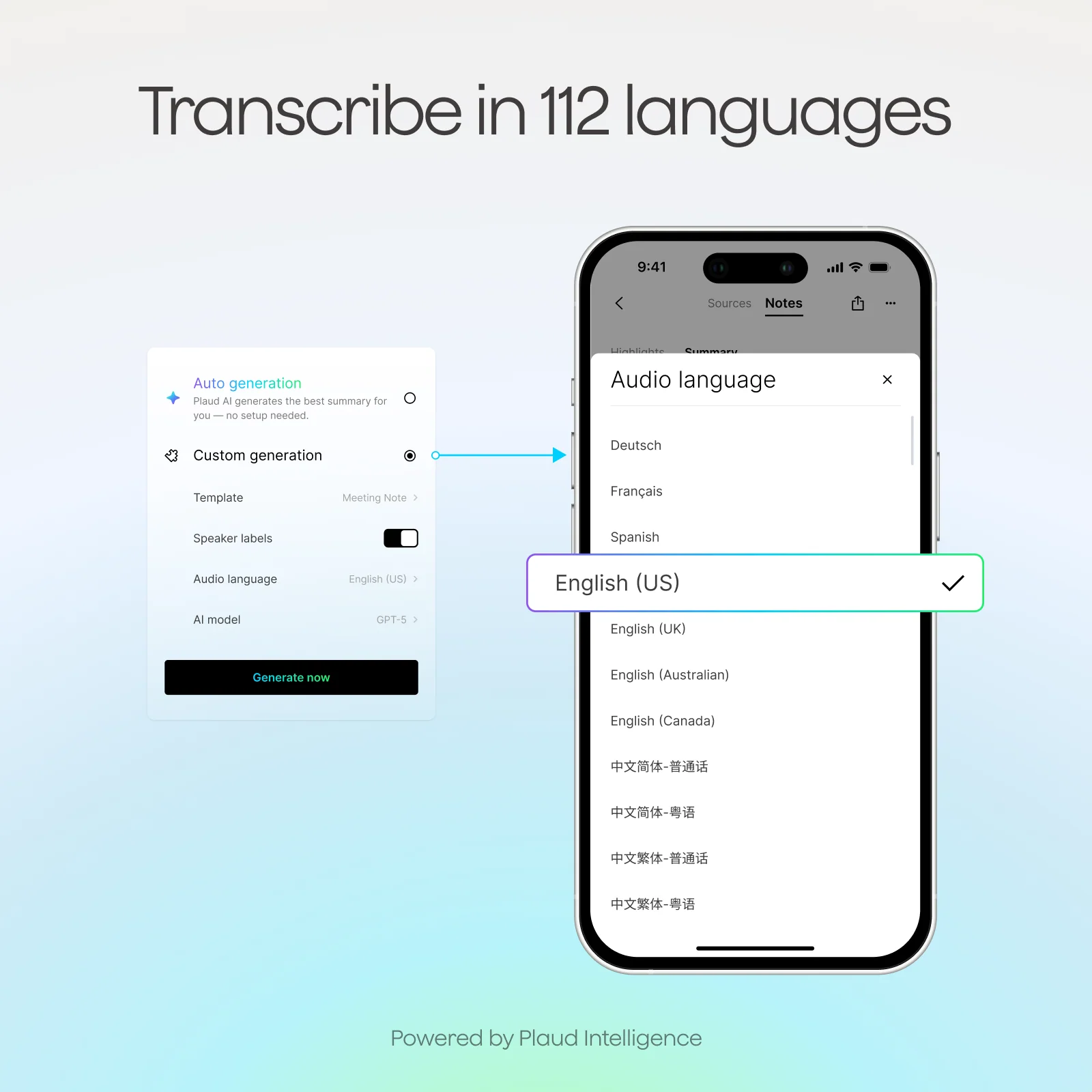
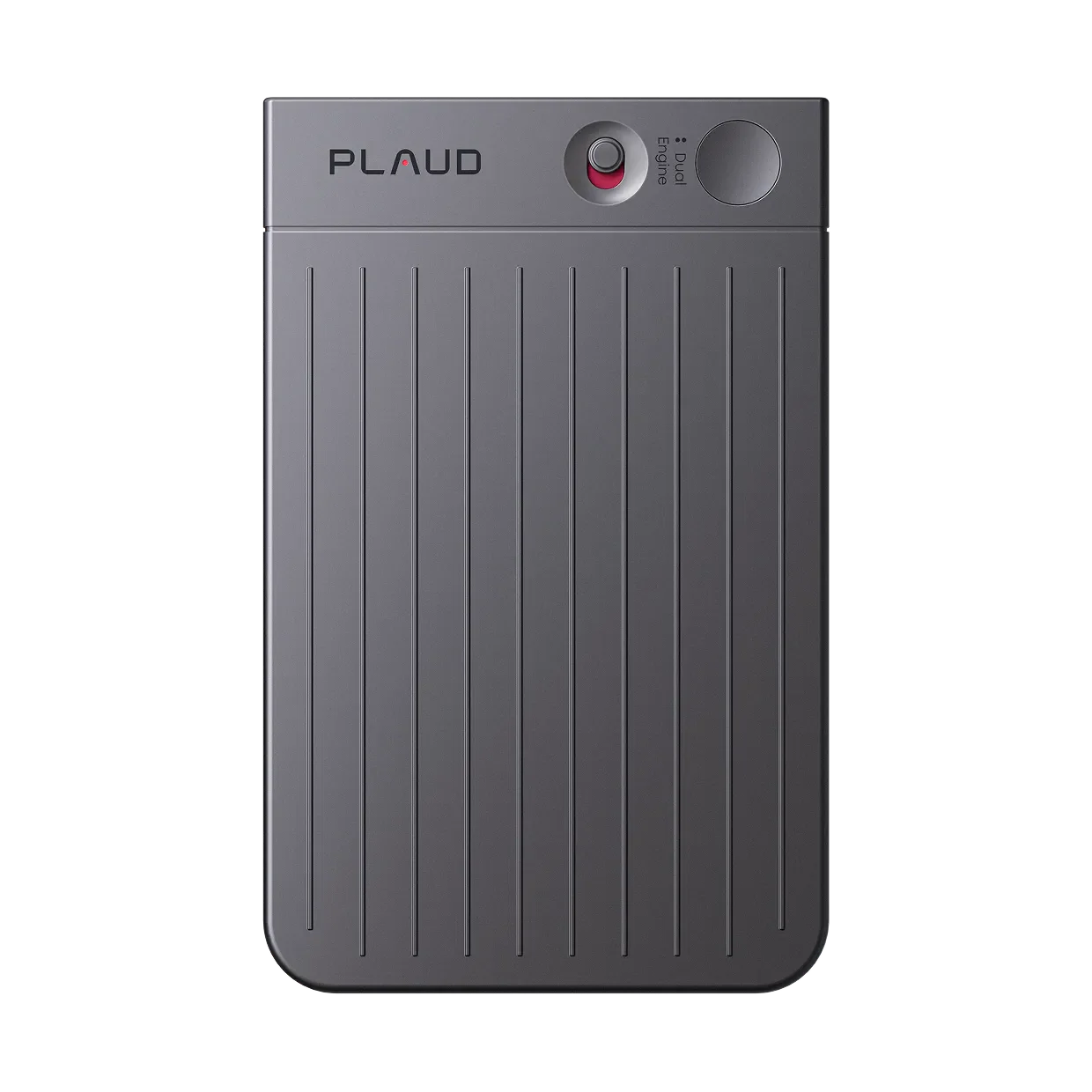
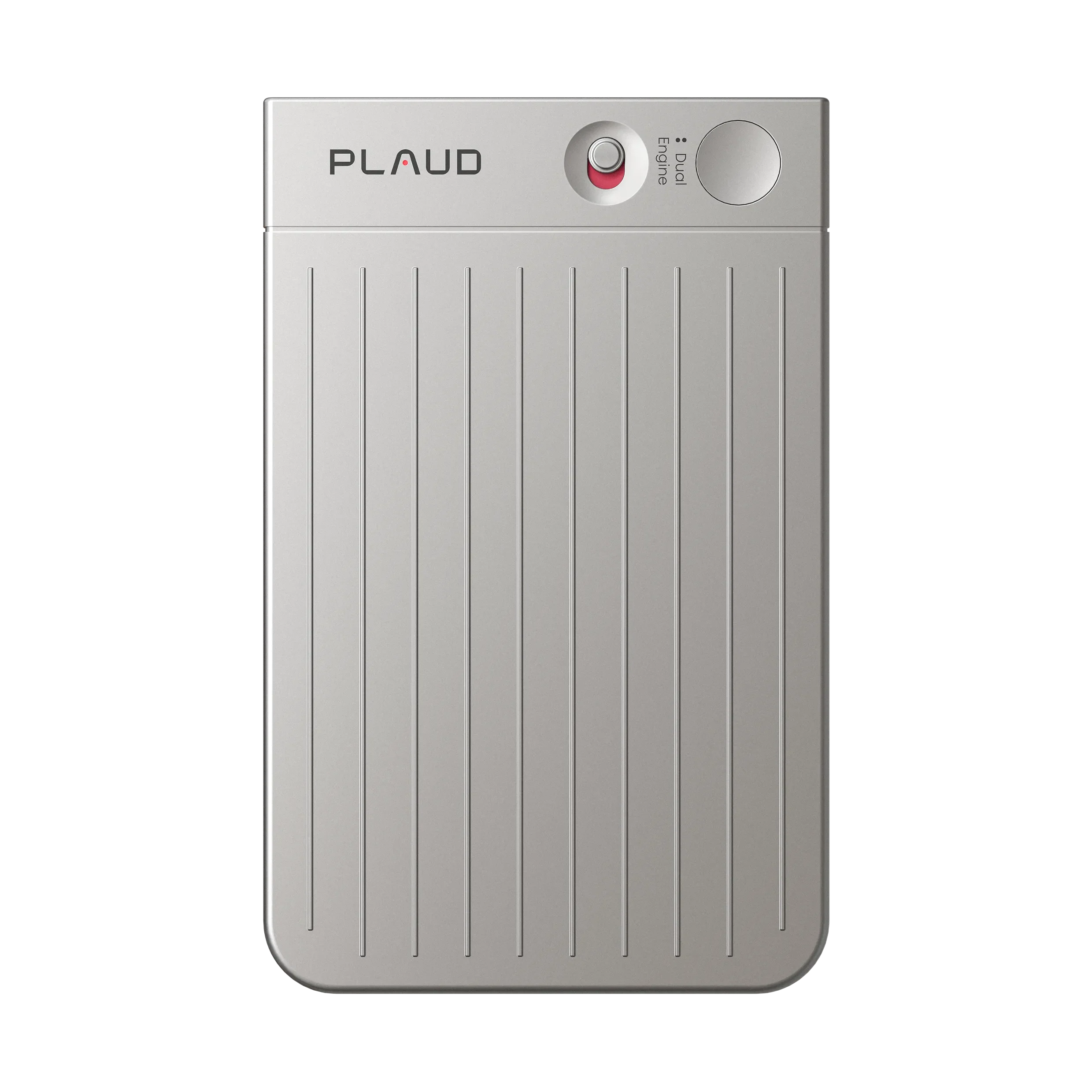
The Plaud Note is a thin, aluminum-alloy recorder about the size and thickness of a credit card that magnetically attaches to the back of your phone. It has one physical button: a long press starts recording, a short press drops a highlight marker into the transcript for later. Everything else – transcription, speaker labeling, AI summaries – happens in the companion Plaud app once the recording syncs.
On paper, the specs are strong. It packs 64GB of onboard storage, up to 30 hours of continuous recording, and 60 days of standby battery, all inside a device that weighs about as much as a few sheets of paper. It supports dual-mode recording, meaning it switches between capturing in-person conversations through its microphones and recording phone calls through a vibration sensor that reads sound directly off your phone’s speaker.
Plaud positions this squarely at working professionals, and reviewers consistently back that framing up. Coverage from outlets like TechCrunch and Tom’s Guide describes it as aimed at people with a high volume of recurring conversations – executives, sales teams, consultants, lawyers, and educators – rather than casual users who record the occasional voice memo. If your calendar is mostly empty, this device is solving a problem you don’t have.
Key Features, According to the People Who Actually Use Them
The headline feature is transcription, and this is where user sentiment is most consistently positive. A long-term reviewer at Dapperandgroomed, who used the device daily for a year, <cite index=”36-1″>reported that transcription accuracy is very good in clean conditions, handling multiple speakers well and picking up names and specific terminology better than expected</cite>. That tracks with what shows up across app reviews and forums – when the room is quiet or the phone call is clear, people are generally impressed.
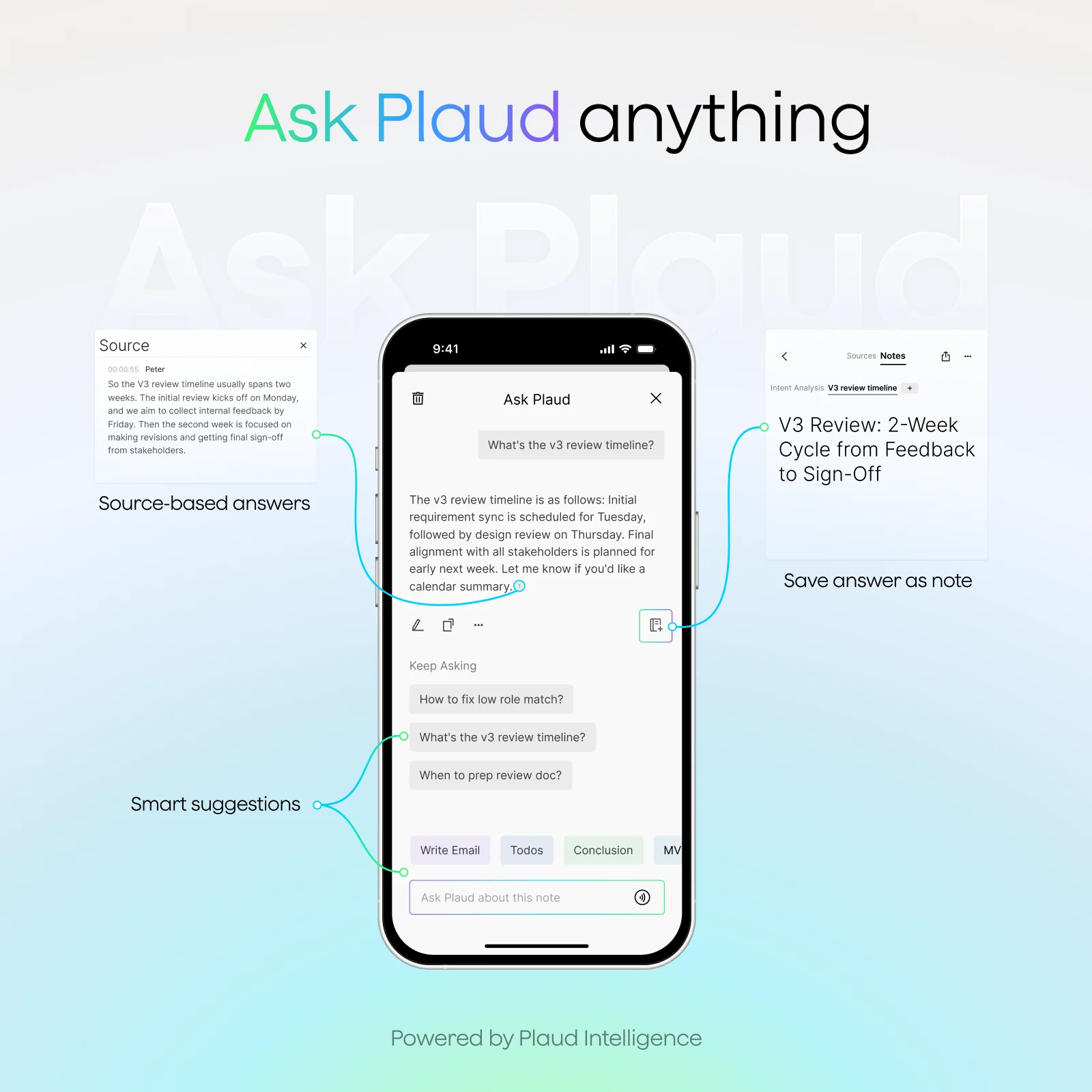
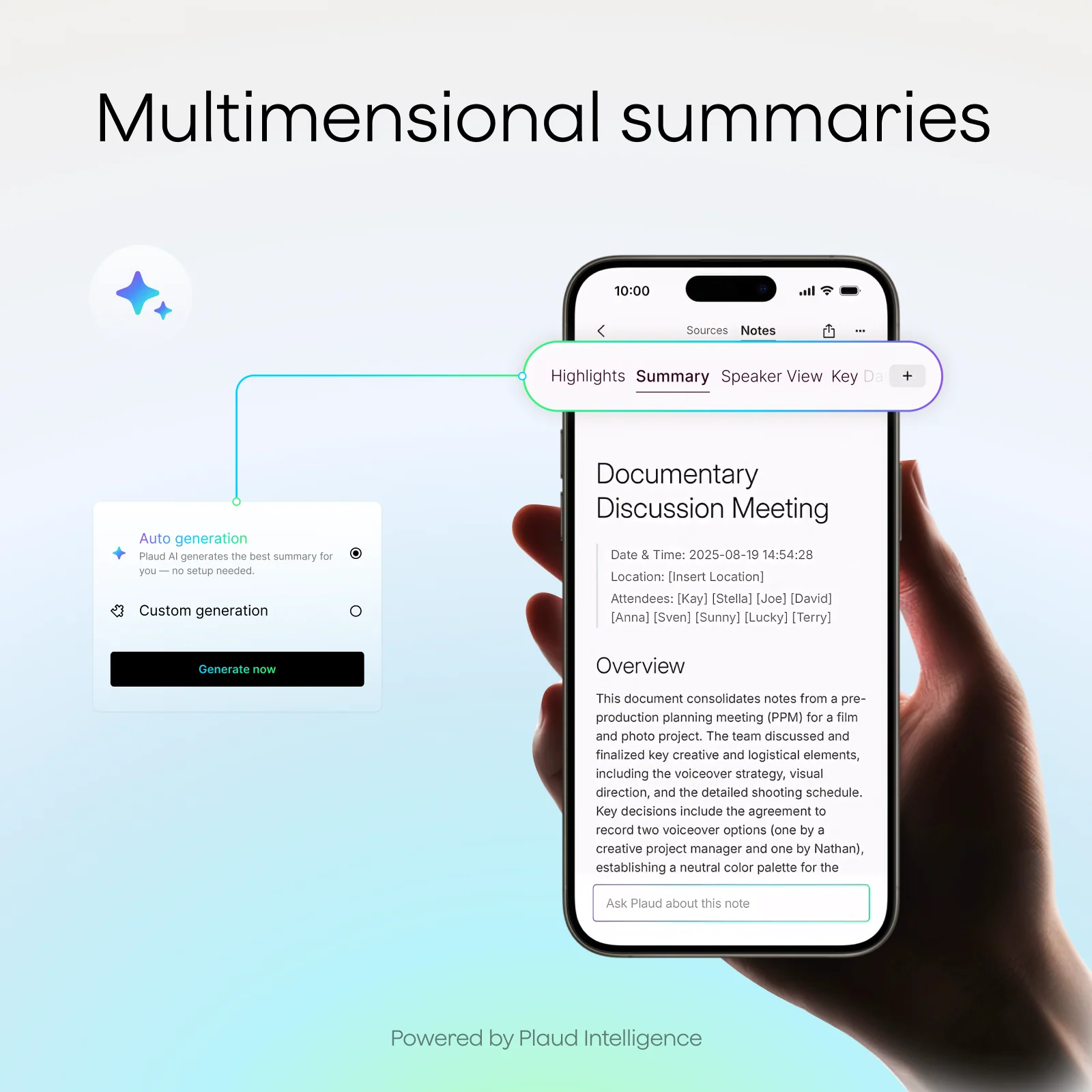
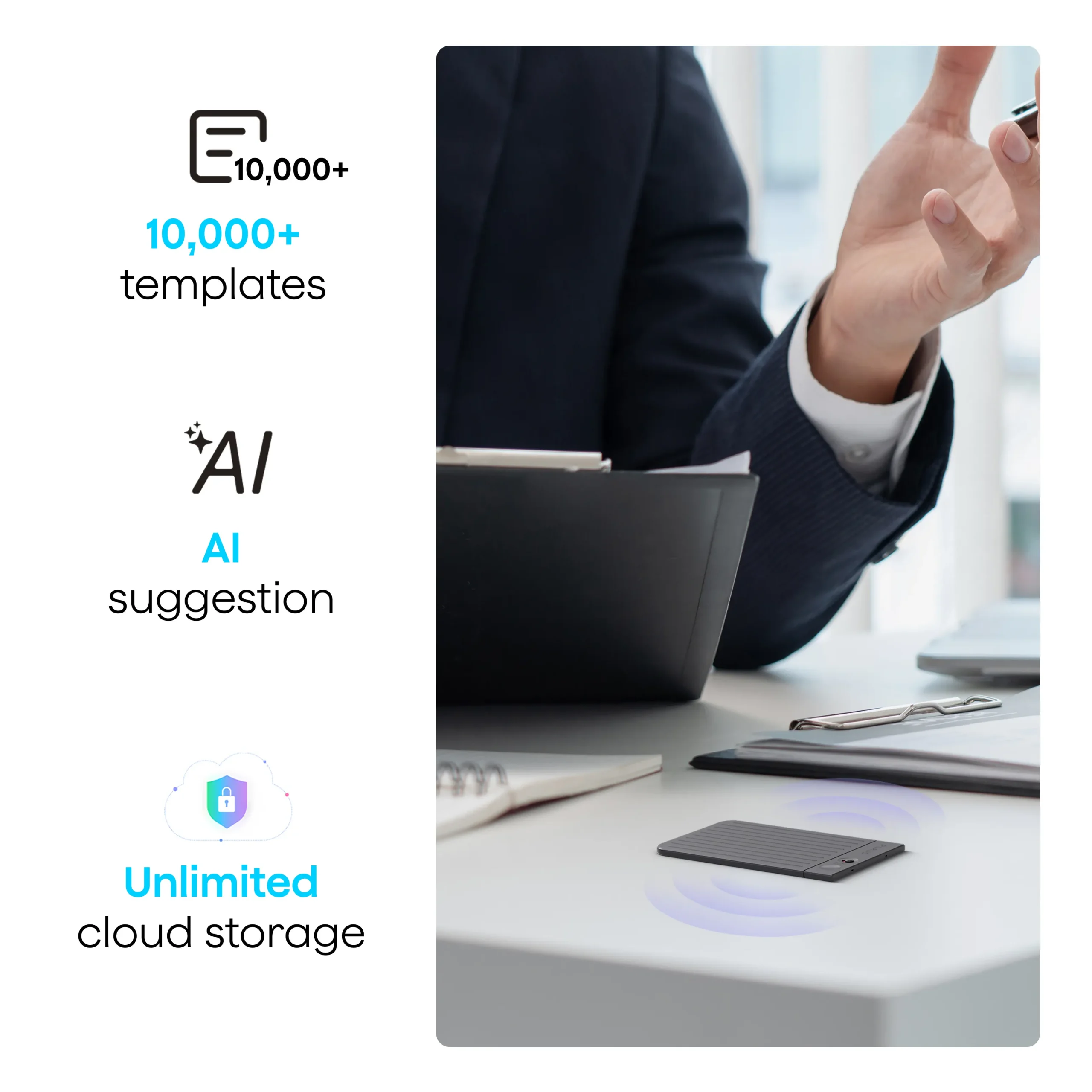
The AI summary layer is the other feature that keeps coming up in praise. Instead of handing you a wall of transcribed text, Plaud runs it through a template system – meeting minutes, action items, interview Q&As, lecture notes – and reviewers note there are now over 10,000 of these templates, with the option to build your own. One Amazon reviewer covered in a third-party synthesis called the results “spot on” for summarizing conversations recorded in noisy environments, though that’s clearly not everyone’s experience.
Where the feature set gets more polarizing is the highlight function and speaker labeling. These work well in one-on-one or small-group settings, but multiple reviews note that accuracy degrades once you’re in a larger room with overlapping speech. That’s a meaningful caveat if your use case is conference panels or big roundtables rather than one-on-one calls.
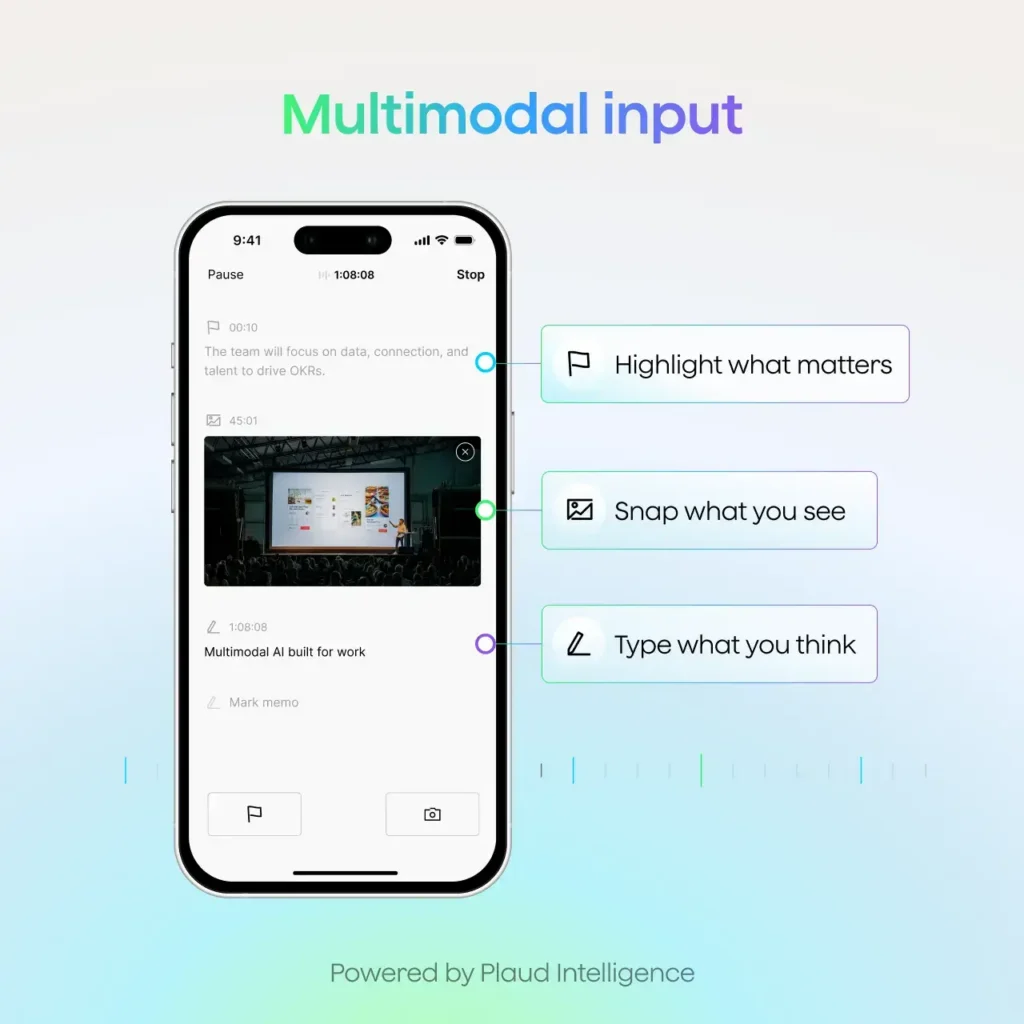
Photo: Plaud
Real-World Experience: Where the Praise and the Frustration Actually Come From
What Users Consistently Love
The single most repeated praise, across App Store reviews and long-term write-ups alike, is that the Plaud Note removes the mental tax of choosing between listening and note-taking. A user named Ian F. on Plaud’s own storefront put it plainly, saying the device has him <cite index=”0-1″>recalling numbers and specifications from hour-long manufacturer calls that would have otherwise been forgotten</cite>, and that he now feels more present and less stressed in meetings because he isn’t scrambling to write things down. That specific sentiment – feeling present again – shows up again and again in independent reviews, not just brand-curated ones.
Reviewers who’ve used it for months rather than days also flag durability as a genuine strength. Dapperandgroomed’s year-long test found the <cite index=”36-1″>device held up well physically after a year, with no scratches, no looseness in the button, and no degradation in build quality</cite>, which matters for a product in this price range that people are tossing in pockets and bags daily.
TechRadar’s hands-on test landed in a similar place, concluding the reviewer was <cite index=”38-1″>completely sold on the device by the end of testing, describing it as something that would change almost every area of a professional’s working life</cite> thanks to the combination of raw recording and near-instant AI-enhanced summaries.
What Actually Frustrates People
The subscription structure is, by a wide margin, the most contentious part of owning a Plaud Note. The device includes 300 free transcription minutes a month, and a review at Bluedot HQ bluntly frames this as <cite index=”35-1″>the most divisive topic among Plaud AI users, many of whom are frustrated by the idea of paying for hardware and then having to pay again for a subscription to actually use it</cite>. For a sales rep or lawyer doing multiple hour-long calls a day, 300 minutes evaporates in under two weeks, and the jump to unlimited transcription runs roughly $240 a year on top of the device cost.
Connectivity and app reliability come up often enough to be a real pattern rather than isolated bad luck. The same Bluedot review notes that <cite index=”35-1″>many users have reported basic connectivity and recording issues, along with unresponsive customer support</cite> – a complaint echoed across Reddit threads about Plaud’s broader device lineup, where users describe syncing delays, recordings that fail to upload cleanly, and firmware updates that occasionally make things worse rather than better before a follow-up patch fixes them.
The proprietary charging cable is a smaller gripe but a near-universal one. Reviewers who’ve lived with the device long-term flag it specifically: it’s a <cite index=”36-1″>consistent complaint that the magnetic charging cable is proprietary, meaning if you lose it you’re stuck waiting on a replacement</cite>, a design choice made to preserve the device’s ultra-thin profile but one that adds a point of failure a standard USB-C cable wouldn’t have.
Price sensitivity is the last recurring thread, and it’s less about the sticker price and more about what you get for it. A How-To Geek review of the Pro model, which shares the same subscription structure as the standard Note, was upfront that <cite index=”34-1″>it’s a fairly expensive device that might not be worth the investment if you’re not using it for work or college, and that the 300-minute monthly cap will likely push most serious users toward a paid subscription</cite>.
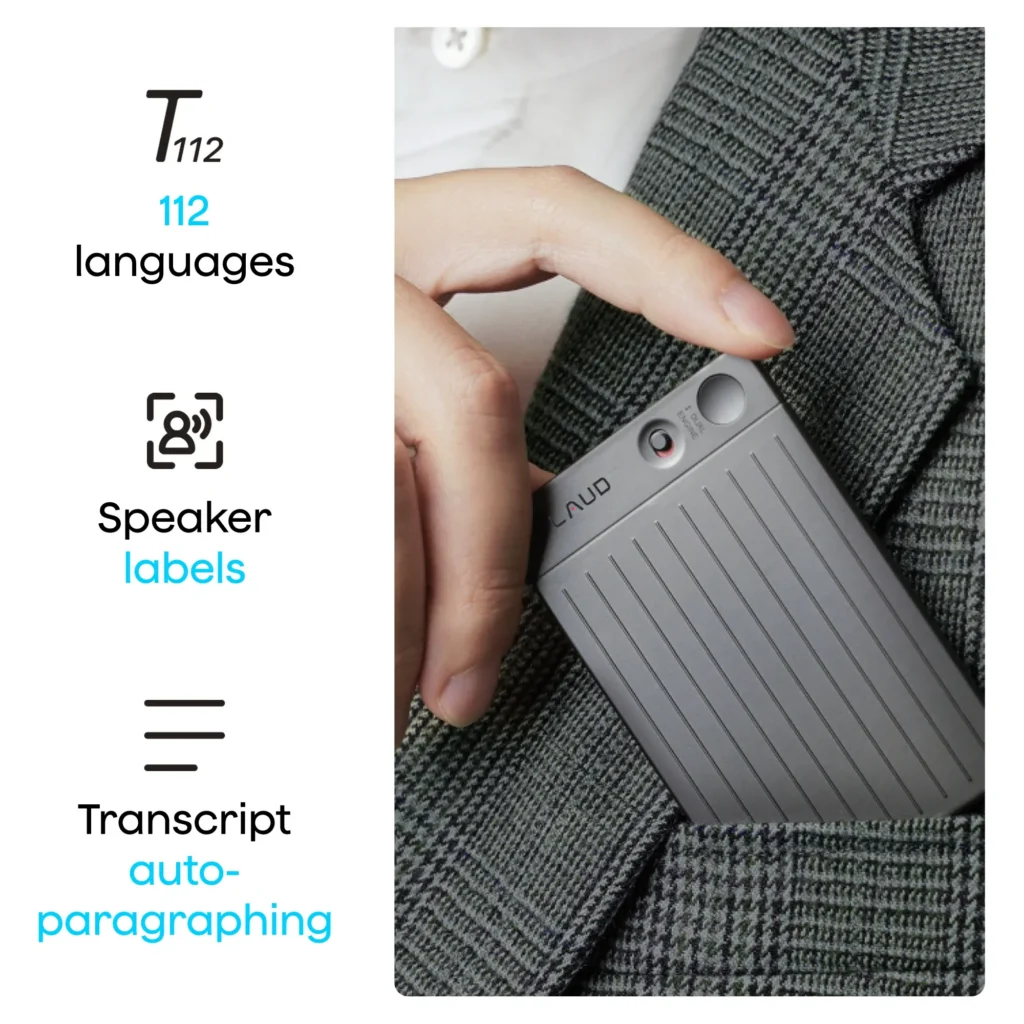
Photo: Plaud
Who Clearly Benefits and Who Should Think Twice
Based on the pattern across these reviews, the Plaud Note earns its keep for people whose work is built around recurring, in-person or phone-based conversations – sales professionals doing discovery calls, lawyers in client meetings, journalists conducting interviews, consultants bouncing between client sites. For these users, the time saved on post-call note-writing tends to outweigh the subscription cost, and several reviewers who tested it specifically for professional use came away recommending it without much hesitation.
It’s a worse fit for anyone whose meetings mostly happen over video conferencing software. Zoom, Teams, and Google Meet already have built-in or free AI note-taking layered in, and dedicated software tools like Otter or Fireflies handle that use case without requiring you to buy a separate piece of hardware at all. The Plaud Note’s entire value proposition rests on capturing conversations a laptop or webcam can’t – which means if your calendar is already digital-first, you’re paying for a capability you don’t need.
Pricing and Value
The base Plaud Note runs $159 (frequently discounted to around $127-$130 during sales events), which includes the device, a magnetic case, a magnetic ring for non-MagSafe phones, a charging cable, and the free Starter Plan’s 300 monthly transcription minutes. From there, Plaud offers a Pro Plan (1,200 minutes a month, roughly $100 a year) and an Unlimited Plan (unlimited transcription, roughly $240 a year).
Whether that’s a good deal comes down entirely to call volume. Light users – a handful of meetings a week – genuinely don’t need to pay Plaud another cent after the initial purchase. Heavy users doing daily client calls will likely need Pro at minimum, and frequent flyers on back-to-back calls will find themselves pushed toward Unlimited within a month or two of ownership. The device itself is reasonably priced for the hardware you’re getting; it’s the ongoing subscription math that requires more thought before buying than the storefront pricing page suggests.
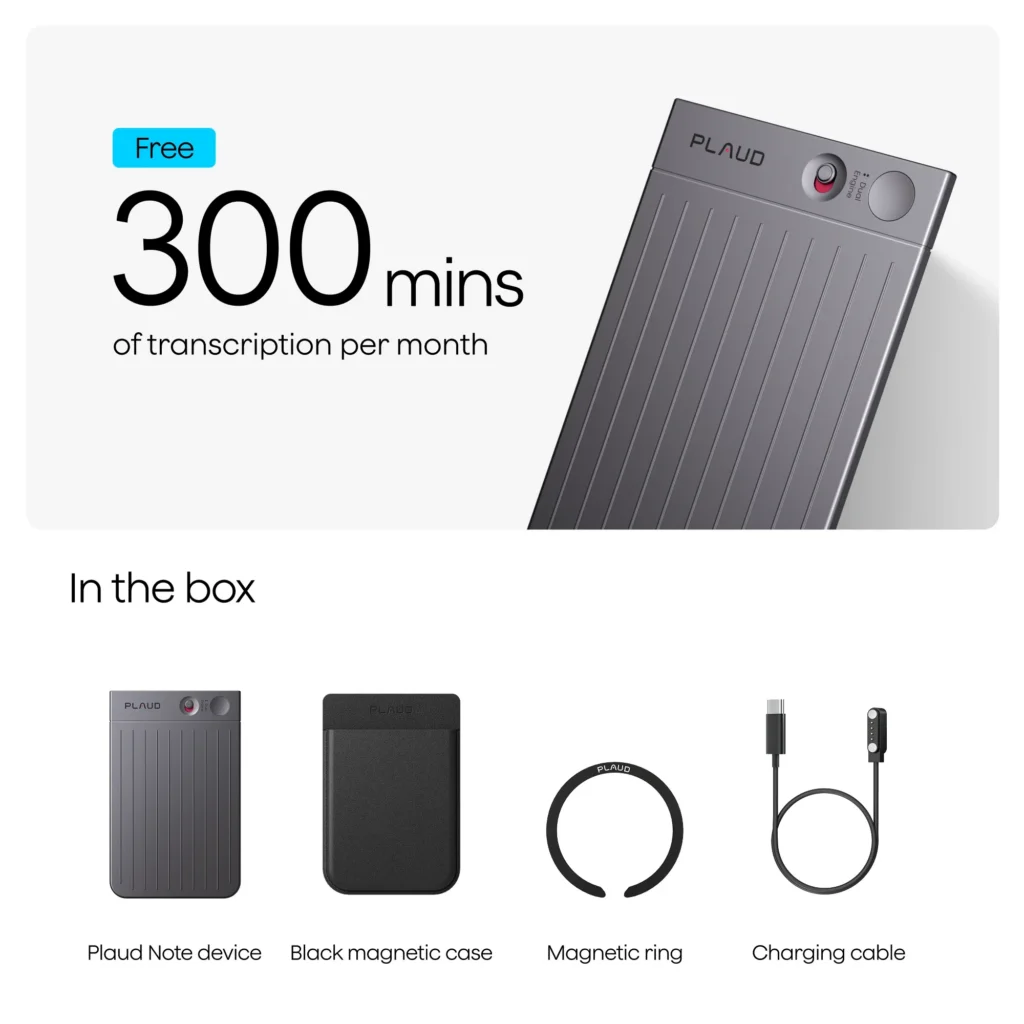
Photo: Plaud
Bottom Line
The Plaud Note does what it says on the tin: it captures conversations cleanly, turns them into readable transcripts, and produces AI summaries that actual users – not just marketing copy – describe as genuinely useful. The build quality holds up over long-term use, the battery life is strong, and for people whose jobs revolve around back-to-back conversations, the shift from manual note-taking to passive capture is the kind of change that sticks. That said, the subscription model is a real source of buyer’s remorse for heavy users who didn’t budget for it, and the proprietary charging cable and occasional app connectivity hiccups are consistent enough across reviews to take seriously rather than dismiss as edge cases.
If you’re weighing this purchase, the honest framing is: buy the hardware for the recording and transcription quality, but budget for a paid plan from day one if you’re using it for actual work rather than the occasional voice memo. What’s still unclear from user feedback is whether Plaud’s app reliability improves meaningfully with each firmware update, or whether that’s simply the cost of being an early adopter in this category. Have you used the Plaud Note long enough to know which one it is?
FAQ
Is the Plaud Note worth it in 2026?
For professionals with frequent meetings or calls, most reviewers and long-term users say yes, citing accurate transcription and genuinely time-saving AI summaries. Casual users who record occasionally are less likely to see enough value to justify the price and potential subscription cost.
Do I need a subscription to use the Plaud Note?
No. Every device ships with a free Starter Plan offering 300 transcription minutes a month, which is enough for light or occasional use. Heavier users will likely want the Pro or Unlimited plan to avoid running out of minutes mid-month.
How accurate is the Plaud Note’s transcription?
User reports are consistently positive in quiet-to-moderately noisy environments, with several long-term reviewers noting strong accuracy across multiple speakers and industry-specific terminology. Accuracy drops in loud or overlapping-speech settings, a limitation echoed across independent reviews.
Can the Plaud Note record phone calls?
Yes, using its dual-mode recording feature. The device switches to phone call mode when attached to the back of your phone via its magnetic case, using a vibration sensor to capture audio directly from the phone speaker.
What’s the biggest complaint about the Plaud Note?
The most frequently cited frustration is the subscription structure – paying for hardware and then needing an additional paid plan for meaningful transcription volume. Proprietary charging cables and occasional app connectivity issues are the next most common complaints.
How does the Plaud Note compare to just using my phone?
Reviewers note the Plaud Note’s dedicated microphones, long battery life, and one-press recording remove friction that phone-based recording introduces, such as unlocking your phone or losing the recording if you switch apps or take a call.
Does the Plaud Note work for online meetings like Zoom?
Not directly – it’s designed for in-person conversations and phone calls rather than capturing computer audio from video calls. For online meetings, software-based tools designed specifically for that use case are generally a better fit.
How long does the Plaud Note’s battery last?
Up to 30 hours of continuous recording on a full charge, with up to 60 days of standby battery life, according to the manufacturer’s specifications and echoed across independent testing.
Is customer support reliable if something goes wrong?
Experiences are mixed. Some users report fast, helpful responses and replacement units for defective devices, while others describe slow or unresponsive support, particularly around shipping delays.