17″ Tall Large Modular Metal Raised Garden Bed Kit – 9
Original price was: $256.95.$151.45Current price is: $151.45.
Vego Garden 9-in-1 Modular Raised Bed Review: Built to Last or Just Built Up?
TLDR
Verdict: A genuinely premium modular metal raised bed that earns its price tag – if you plan ahead before filling it.
- What it is: A 17-inch-tall, bottomless metal raised garden bed kit that assembles into 9 different shape configurations from one compact box
- Who it’s for: Serious home gardeners, people with back or joint pain, and anyone done replacing rotted wooden beds every few years
- Top strength: Corrosion-resistant VZ 2.0 steel with USDA-certified non-toxic paint and a claimed 20+ year lifespan
- Top strength #2: True modularity – nine configurations from one kit gives real flexibility for oddly-shaped yards
- Biggest limitation: Soil costs to fill a 17-inch-deep bed are significant, and structural add-ons like trellises must be installed before filling – not after
- Quick verdict: Worth the money for long-term gardeners; probably overkill if you just want to grow a few herbs
Introduction
You’ve probably already killed two or three wooden raised beds. They rot at the joints first, then the panels start bowing, and by year four you’re essentially gardening in a compost heap that used to be a structure. The pitch for metal raised beds sounds obvious at that point – but metal beds have their own baggage: heat concerns, rust, sharp edges, and price tags that make you reconsider the whole vegetable garden idea entirely.
That’s the situation most people are in when they start researching the Vego Garden 9-in-1 Modular Raised Garden Bed. The question isn’t just whether this bed is better than rotting cedar – it clearly is. The real question is whether it’s the right kind of better, for your yard, your back, and your budget. After synthesizing what real gardeners across major retailer review pages, independent gardening blogs, and hands-on buyer accounts are actually saying, here’s a clear-eyed look at what you get.
What the Vego Garden 9-in-1 Actually Is
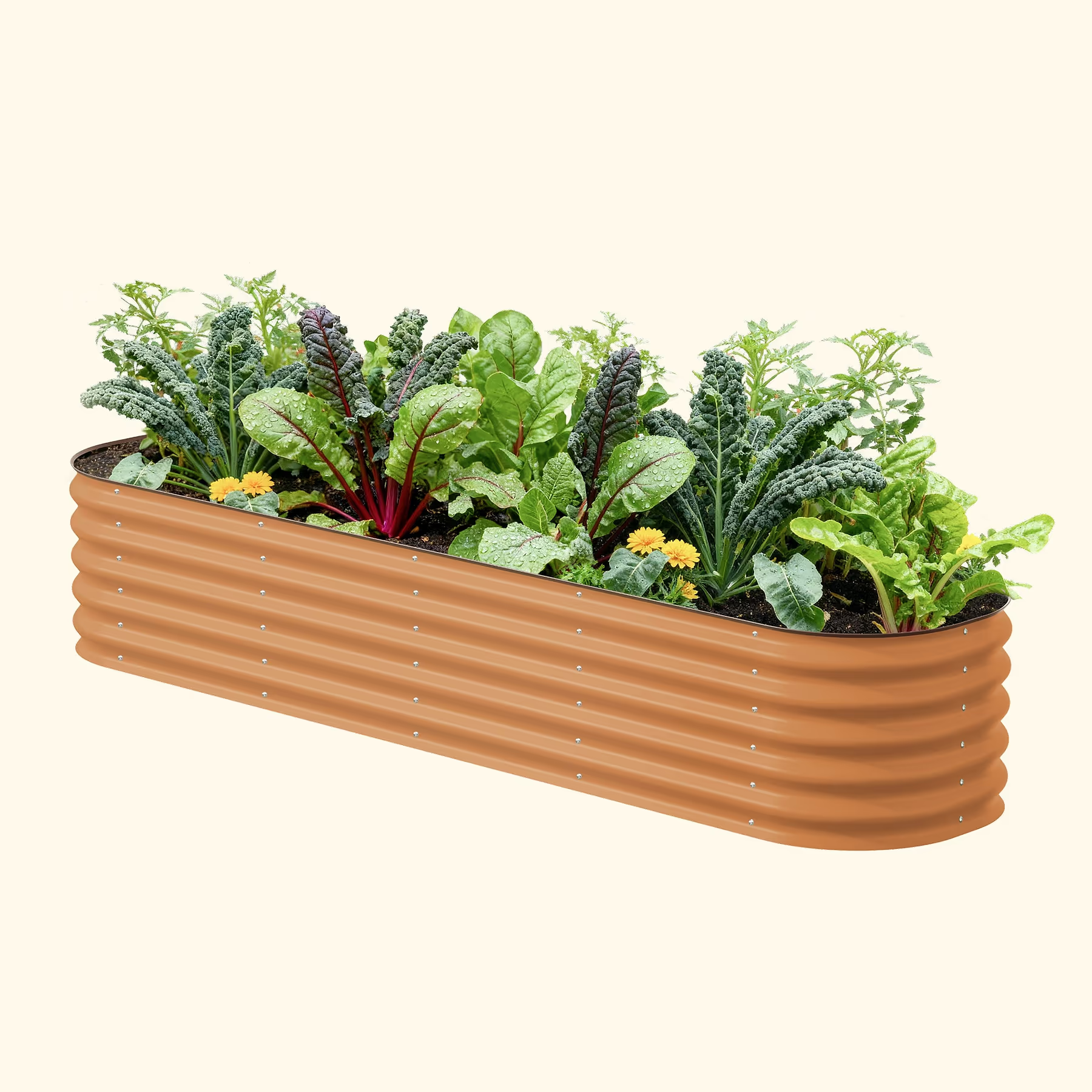
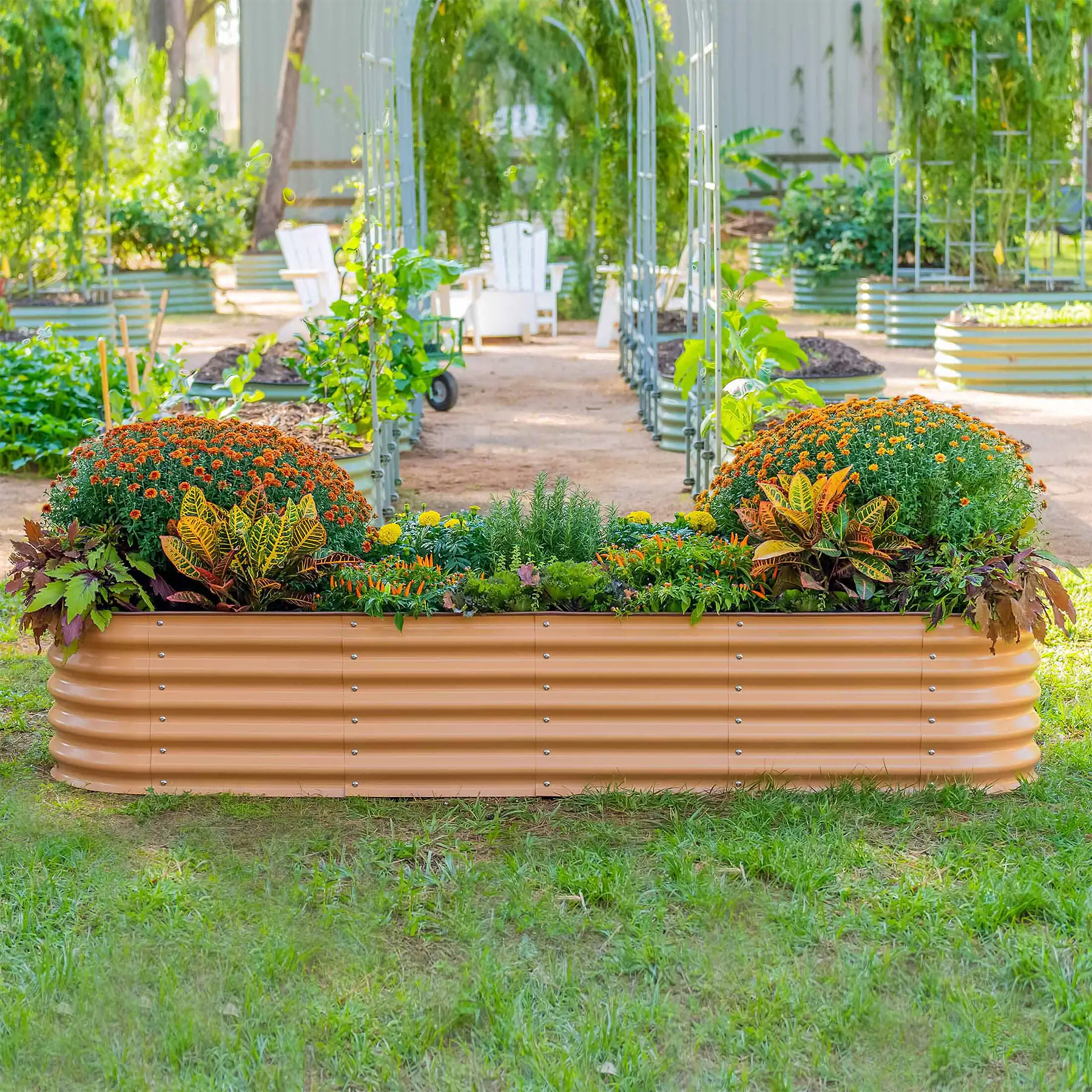
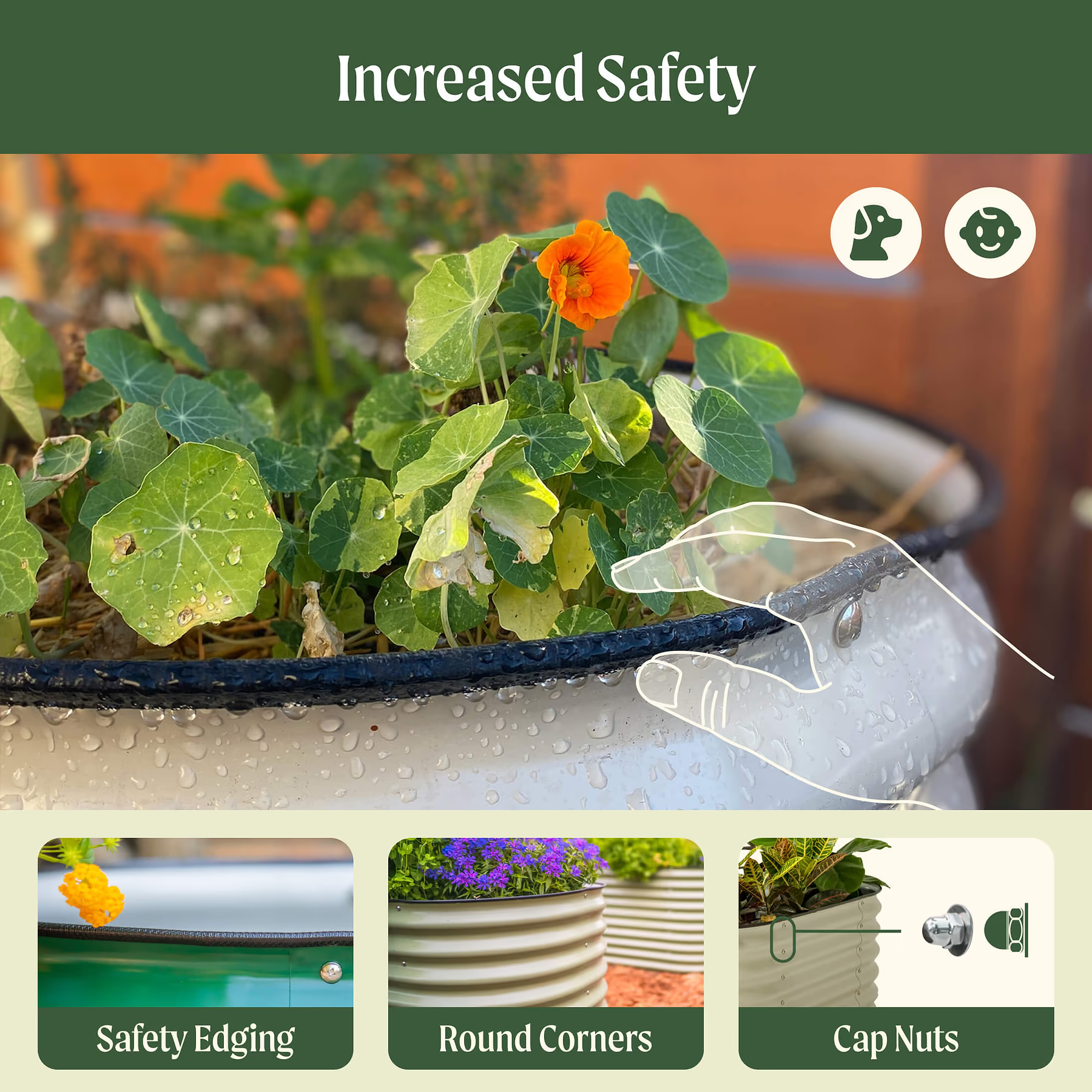
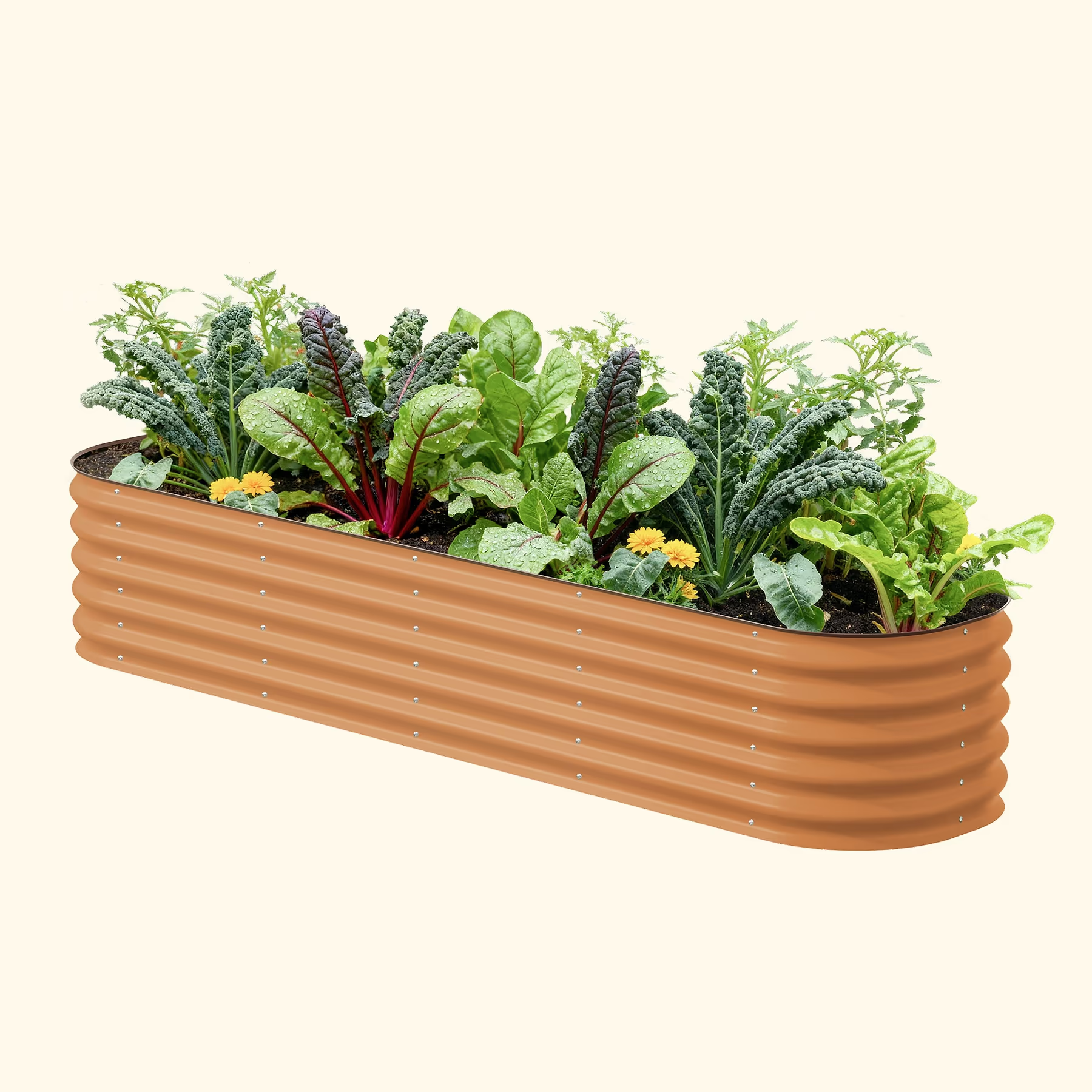
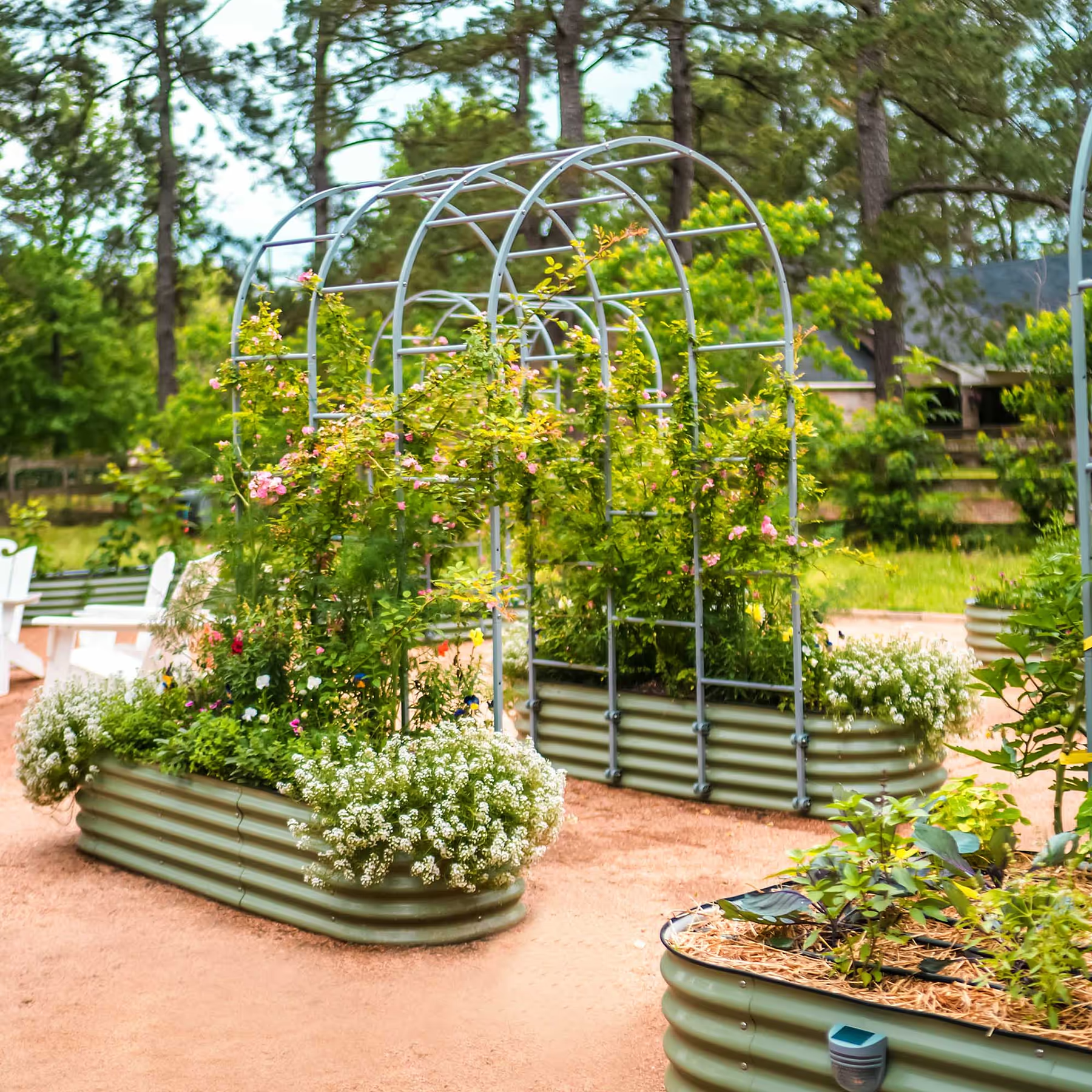
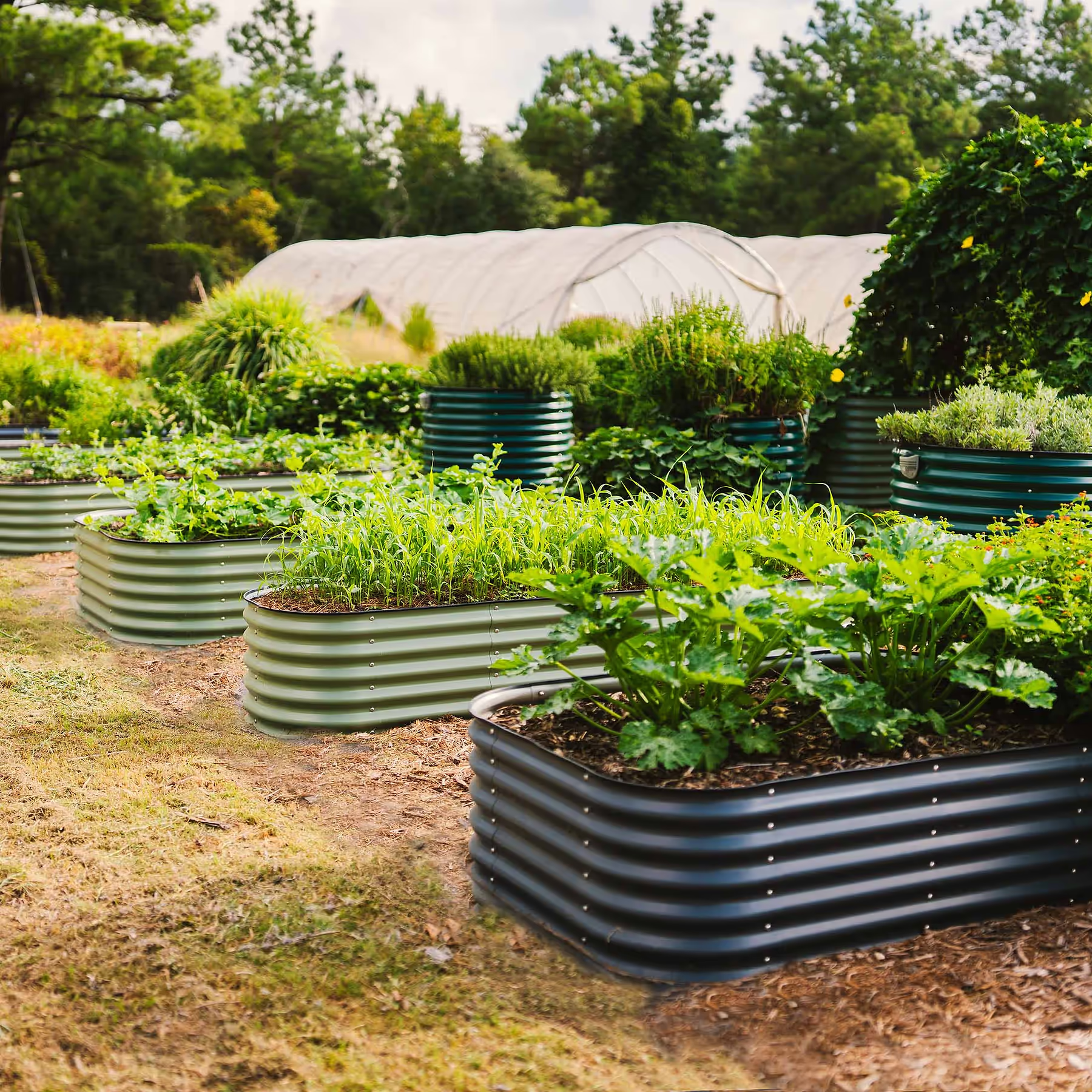
The 17″ Tall Large Modular Metal Raised Garden Bed Kit is Vego Garden’s flagship product in their Classic series. One kit ships as a collection of modular panels – four corner sections and eight straight panels – along with 72 hardware sets, rubber safety edging, a hand wrench, and an instruction manual. From those components, you can build nine different footprint configurations, ranging from a compact 2′ x 2′ square up to a 3.5′ x 6.5′ rectangle or a 2′ x 8′ long-run layout that’s popular for narrow side yards.
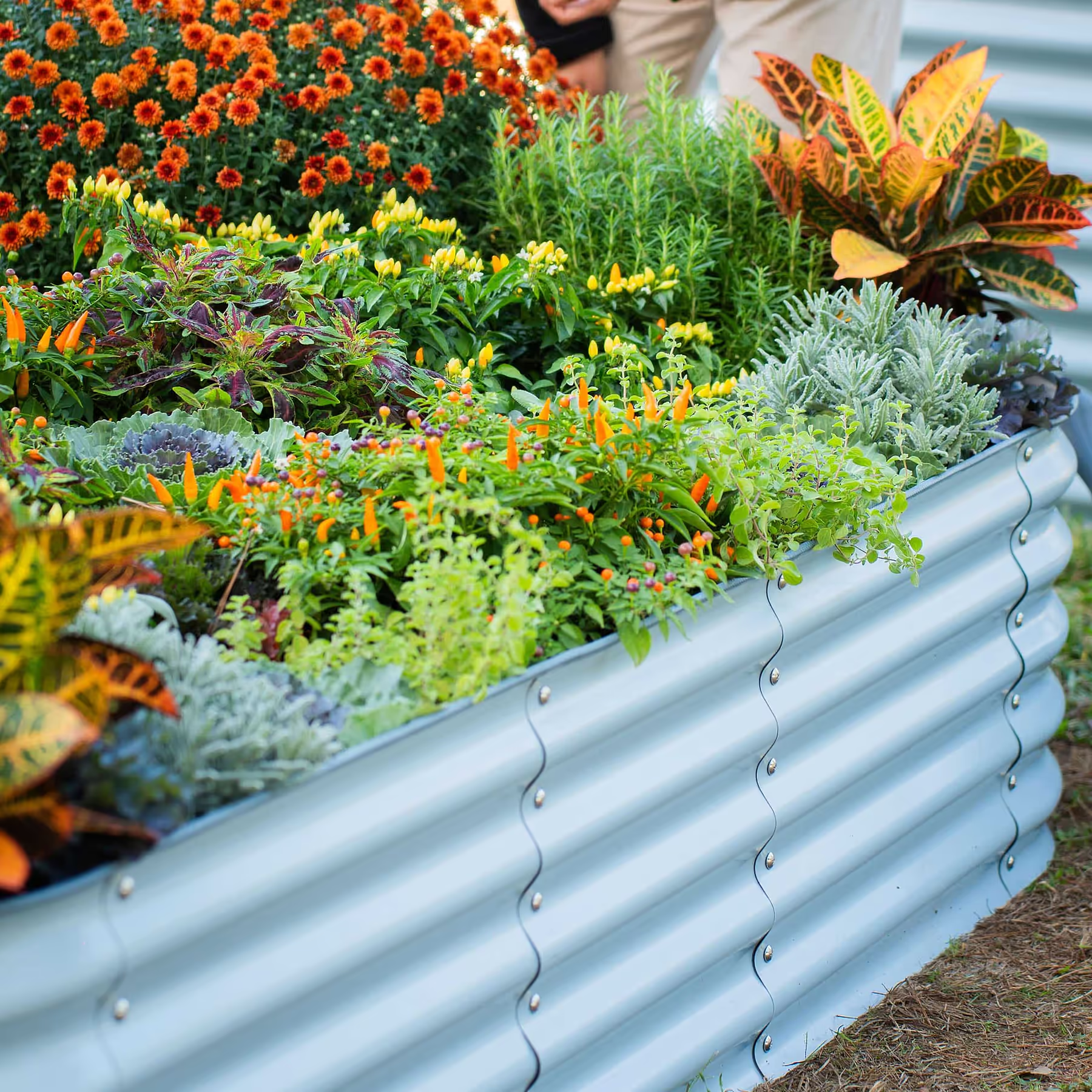
The metal itself is what Vego calls VZ 2.0: a steel substrate coated in zinc, aluminum, and magnesium (Aluzinc), then finished with AkzoNobel paint that carries USDA approval for use in food production environments. Performance has been independently verified at the Texas A&M National Corrosion and Materials Reliability Lab – a legitimately third-party credential, not just a marketing badge. The inside panels are painted white, which serves a real purpose: it reduces heat buildup and reflection onto plants growing inside the bed. The beds are bottomless by design, allowing excess water to escape naturally, preventing root rot, while also letting worms enter from below and roots access nutrients in the native soil underneath.
At 17 inches tall, the bed gives root vegetables like carrots and potatoes the depth they actually need, while also reducing how far you have to bend while working. That ergonomic dimension is a genuine selling point for a meaningful chunk of the people who buy this bed.
Who This Bed Is Targeting
Vego’s 9-in-1 kit sits squarely in the serious home gardener category. It’s not the cheapest way to put plants in the ground, and it’s not marketed as such. The people who consistently report being happiest with it tend to fall into a few distinct groups.
The first is the wood-bed refugee – someone who built cedar or pine raised beds five to ten years ago and is watching them deteriorate. Multiple buyers describe purchasing Vego beds specifically to replace rotted wooden structures, with several noting they’ve transitioned entire gardens of eight or more beds at once. The durability argument resonates deeply with this group because they’ve already paid the replacement cost once with wood and aren’t interested in doing it again.
The second is the mobility-limited gardener. The 17-inch height comes up again and again in reviews from people managing back pain, joint issues, or age-related physical limitations. One widely-cited testimonial describes a Vego bed being installed for a 70-year-old woman who had started reducing her gardening activity due to shoulder pain – the height allowed her to continue a hobby she loved. Independent testers with chronic back pain have specifically noted that the taller format changed their relationship with gardening after years of reluctance.
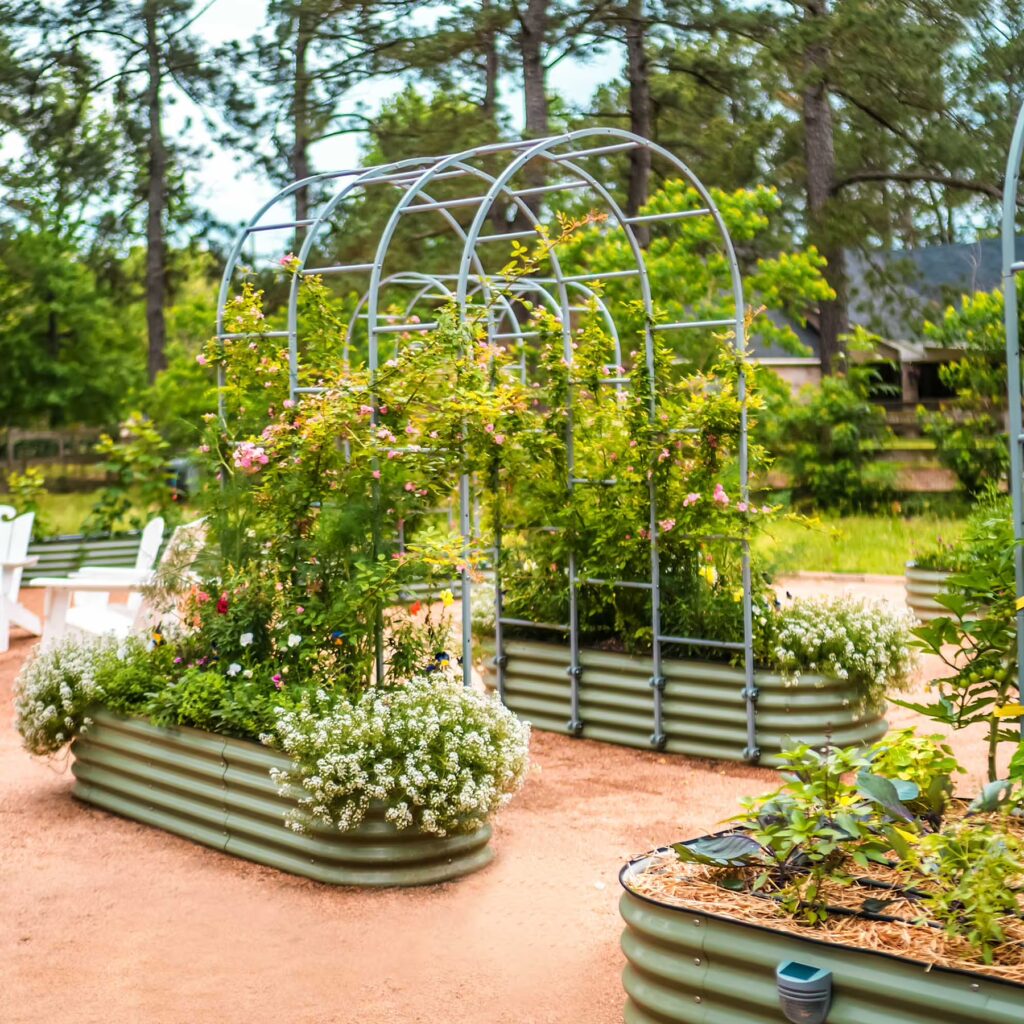
Photo: Vego Garden
Key Features – What Users Actually Experience
The Modular System in Practice
The nine configuration options are genuine, not theoretical. Possible shapes span from a narrow 2′ x 8′ strip to a near-square 5′ x 5′ footprint, which means the same kit can fit a long side-yard corridor or a compact patio corner. Gardeners with irregular or challenging yard layouts specifically call out this flexibility as a primary reason they chose Vego over fixed-dimension competitors. Vego also offers a 3D design tool on their website that lets you visualize configurations before committing to a purchase, which multiple reviewers mention finding genuinely useful during the planning stage.
Assembly gets broadly positive marks across the board, though with a consistent caveat about time. Most users describe putting a bed together in 45 minutes to an hour. Having a power drill speeds up the hardware tightening considerably, even though the kit includes a hand wrench and no power tools are technically required. Experienced assemblers suggest doing the work on a raised surface like a picnic table rather than on the ground, to avoid extended squatting and bending – which is ironic given that avoiding bending is half the reason people buy this bed.
The Protective Film Problem
Here’s the friction point that surfaces across virtually every hands-on account: the panels ship with protective plastic film on both sides – inside and out. The inside film is considered unnecessary by most reviewers since that surface will be buried under soil, and working through it significantly extends the setup time. The process of removing all the film generates a notable amount of plastic waste, which feels at odds with the brand’s sustainability positioning and recyclability claims. A few assemblers also report cutting themselves on panel edges during the process and strongly recommend gloves and long sleeves throughout.
This is not a dealbreaker, but it’s the most consistently mentioned frustration across otherwise positive reviews, and it’s worth knowing before you start. Partially peeling back the film edges before assembling the panels – rather than trying to remove it all first – is a tip that experienced users pass along.
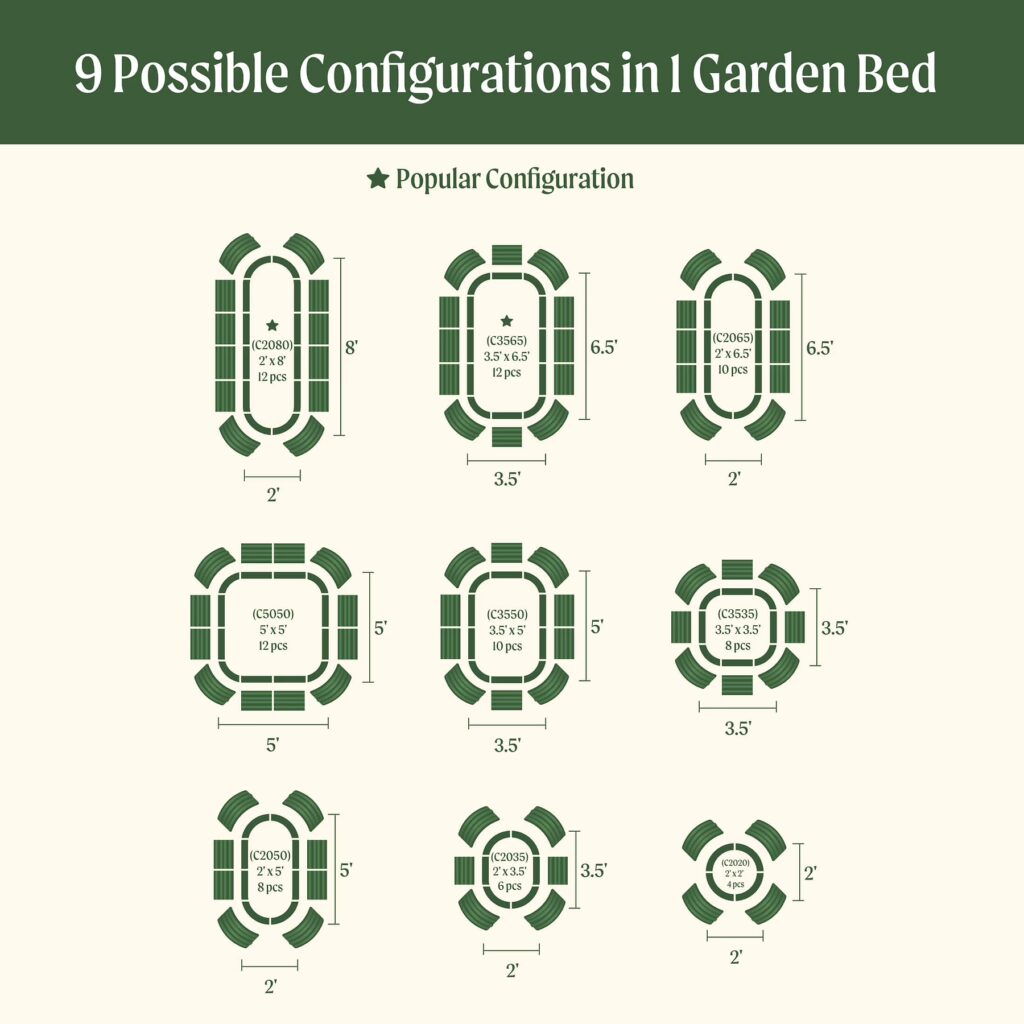
Photo: Vego Garden
Material and Durability – What Multi-Year Owners Report
Buyers who have owned their Vego beds for two to three years consistently report they look exactly as they did when first installed – no rust, no paint cracking, no structural deformation. One dramatic account describes two beds being struck directly by a falling hundred-foot pine tree during a storm. The damaged panels were salvageable enough to be combined into one functional bed, which the owner presented as unintentional evidence of the material’s toughness.
The heat concern that skeptics raise about metal beds has largely not materialized in practice. Gardeners in Texas and other reliably hot climates report the beds stay surprisingly cool even through summer, and soil temperatures inside remain more stable than in plastic or dark-metal alternatives. The white interior coating and the specific properties of the VZ 2.0 paint appear to be doing real work here, not just serving as marketing copy. Independent testing comparing soil temperatures in Vego beds versus DIY corrugated metal beds found measurably cooler conditions inside the Vego panels.
The Trellis Trap
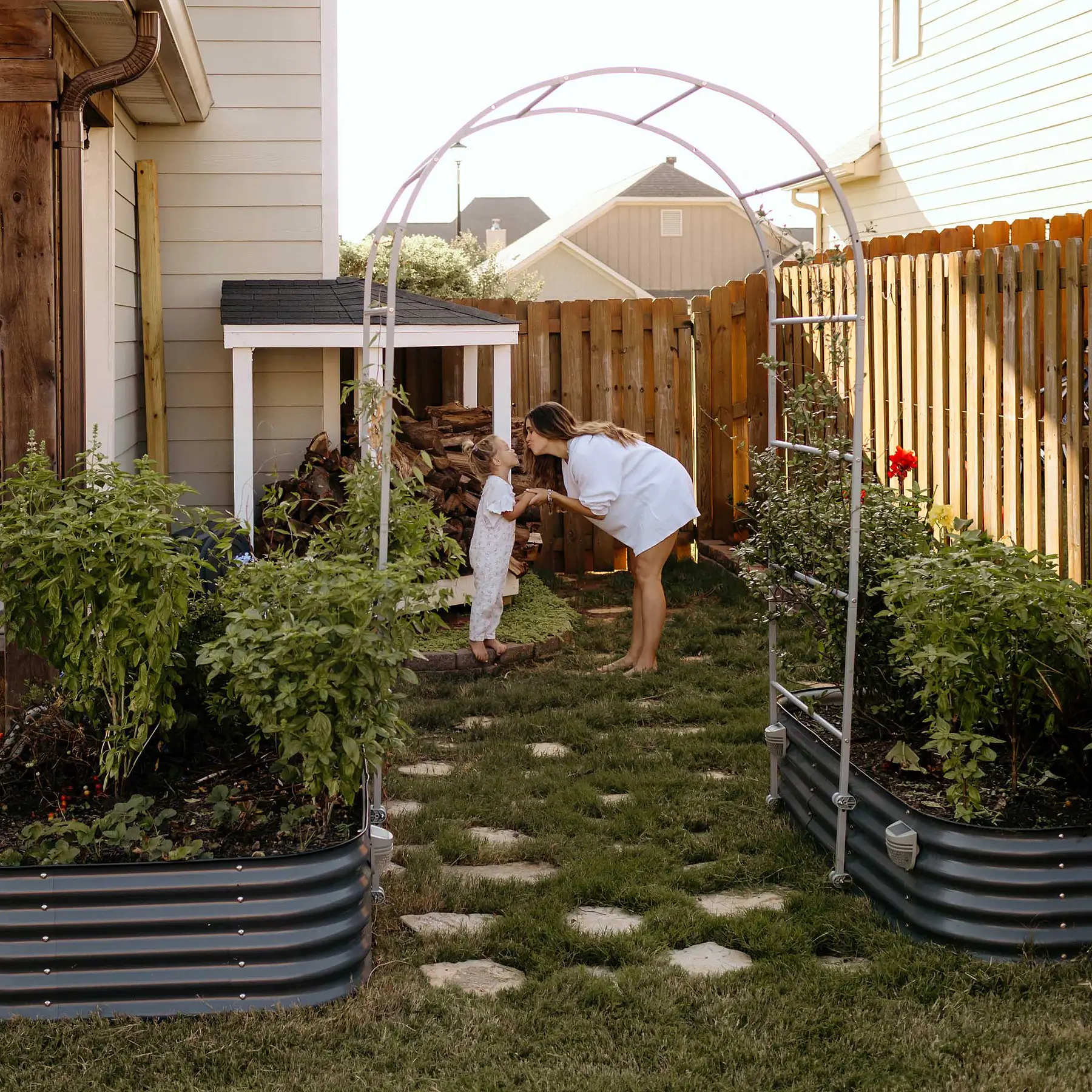
This is the most actionable warning in any review of this product, and it deserves emphasis: if you plan to add a wall trellis or structural cover to your bed, install it before filling the bed with soil – not after. The wall trellis system requires access to screws that are used in the original bed assembly. Adding a trellis post-fill means scooping out roughly a third of the soil to reach them. At least one hands-on tester learned this the hard way and had to partially excavate a freshly filled bed. The same principle applies to other bolt-on accessories that attach to the panel hardware.
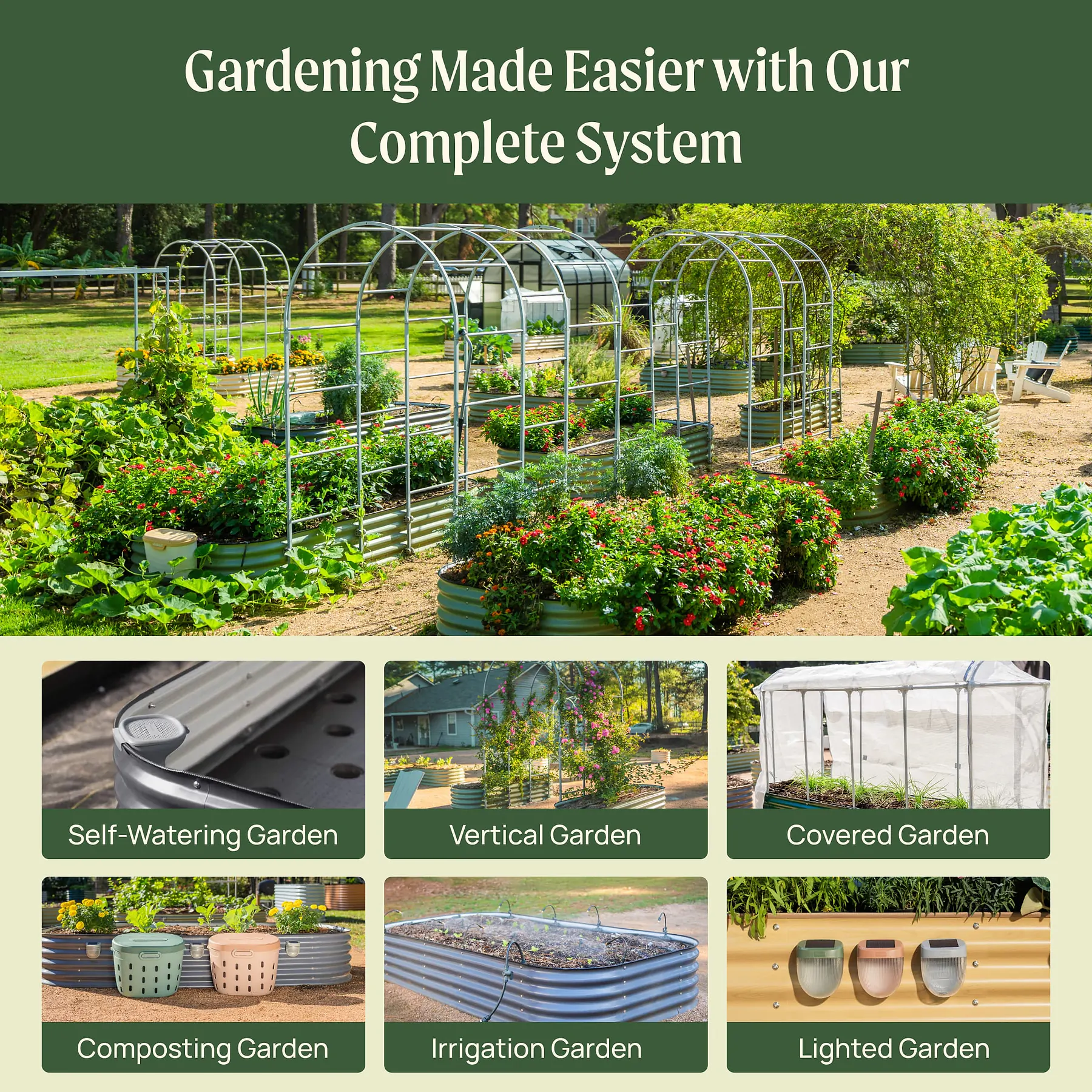
The accessory ecosystem is genuinely appealing – trellises, cover nets with integrated misting, solar magnetic lights, worm composters, drip irrigation kits – but the sequencing matters. Plan which add-ons you want before assembly, not after your first planting season.
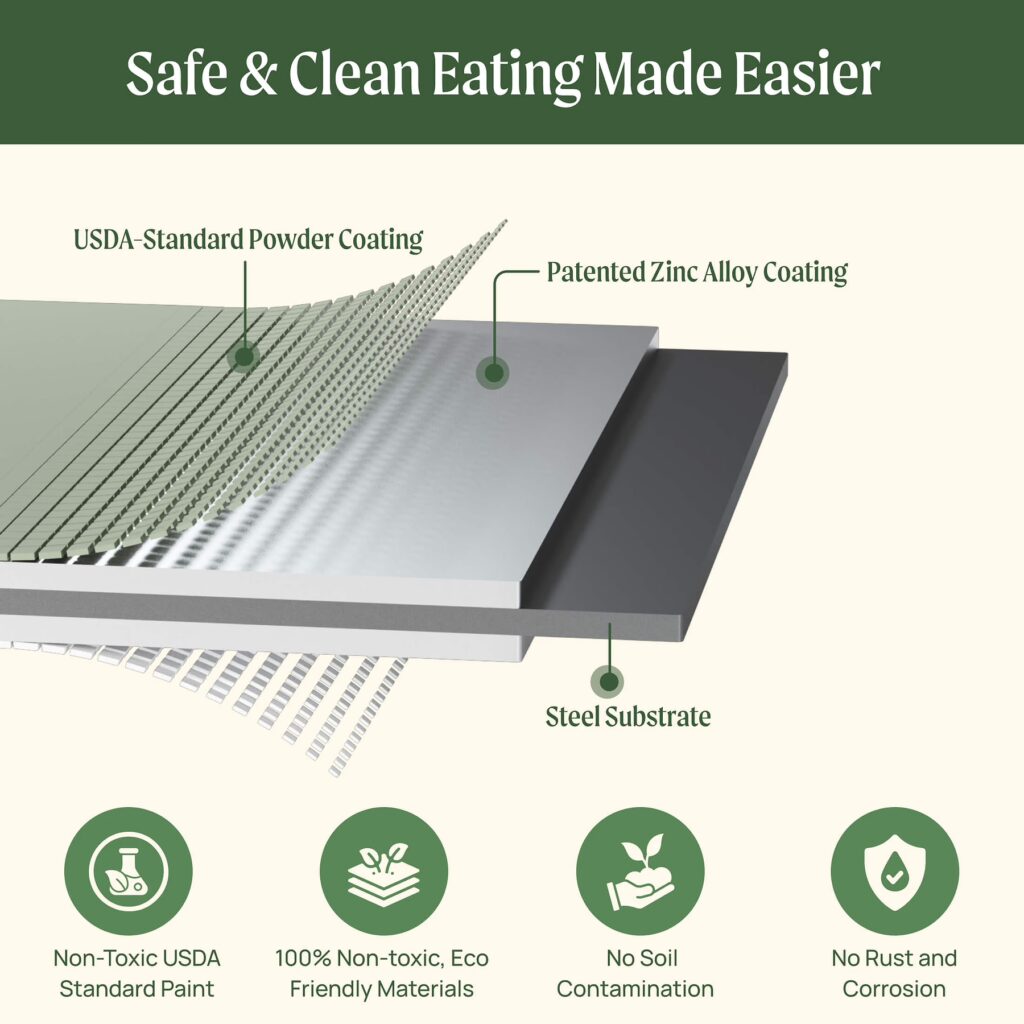
Photo: Vego Garden
Pricing and the Real Cost of Ownership
A single Vego Garden 9-in-1 kit typically retails in the $260-$320 range depending on color and retailer. Vego sells direct through their own website, and the beds are also carried by Home Depot, Amazon, and Lowe’s. Multi-packs offer per-unit savings – a four-pack brings the cost down meaningfully compared to buying four individual kits.
The retail price, though, is only part of the actual spend. Soil costs catch people off guard. A single mid-size configuration at 17 inches deep can require 17-22 cubic feet of soil to fill from scratch – and premium bagged soil adds up fast. That’s why the Hugelkultur filling method – layering logs, branches, compost, and organic waste at the bottom before adding soil on top – is recommended so frequently by experienced Vego owners. It’s not just a gardening philosophy. It’s a genuine way to cut soil spend by a third or more while improving long-term drainage and nutrient content as the organic material breaks down.
The 20-year lifespan claim is where the math flips in Vego’s favor. Pressure-treated wood beds might last 7-10 years with maintenance. Cedar starts showing real wear in 5-7. DIY galvanized metal beds, which some reviewers built themselves nearly a decade ago, are showing significant corrosion while their Vego counterparts remain unmarked. At a price-per-year breakdown, the Vego bed becomes a defensible – even competitive – investment for anyone committed to long-term gardening.
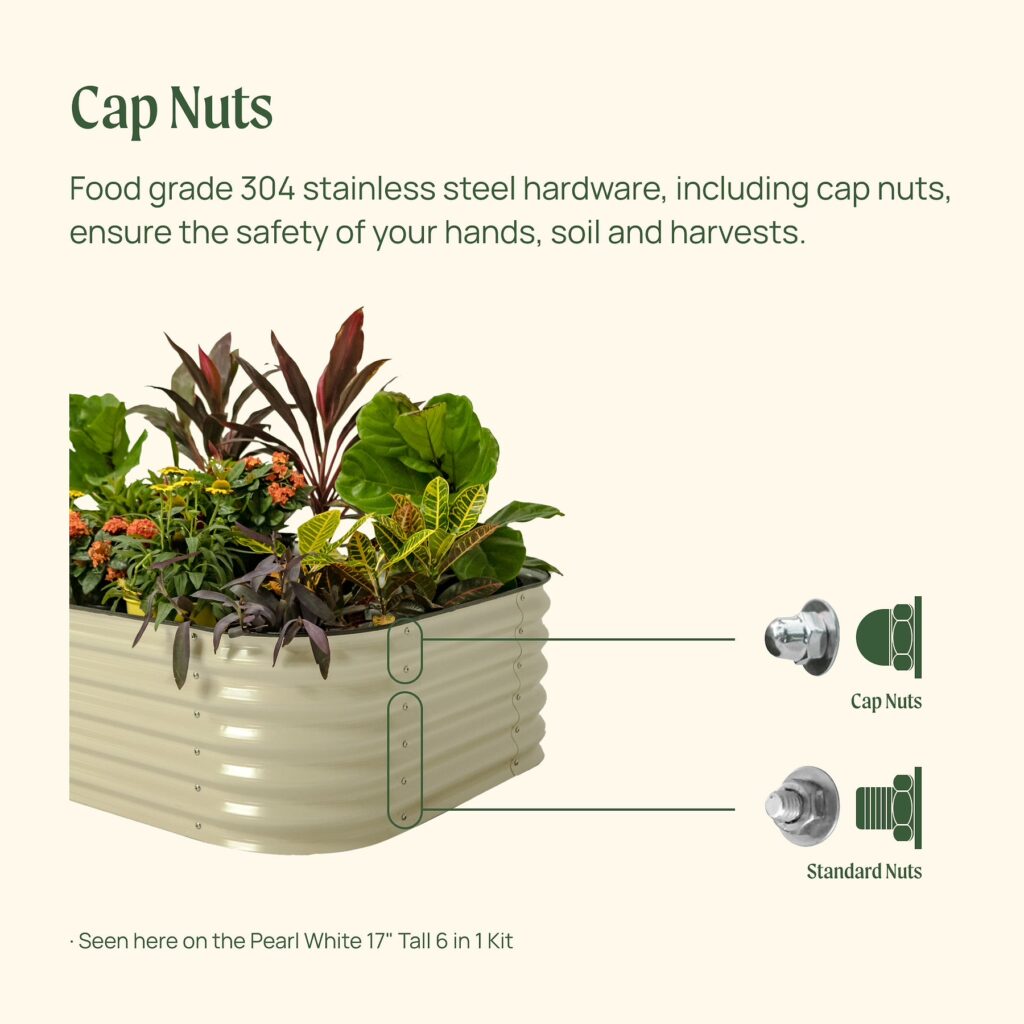
Photo: Vego Garden
Who Should Buy the Vego Garden 9-in-1
If you’re committed to vegetable gardening for the long haul, manage back or knee issues, have an irregular yard space that benefits from configuration flexibility, or you’re simply done replacing rotted wood every few seasons – this bed makes a strong case for itself. Gardeners in challenging soil conditions, like rocky terrain or nutrient-depleted ground, also get outsized value from the 17-inch depth because they’re essentially building their own growing environment from scratch above whatever’s below.
The pattern of buyers returning to purchase second, third, and fourth kits – sometimes replacing entire wooden garden setups in a single season – shows up consistently across review sources and suggests genuine satisfaction rather than impulse-driven enthusiasm. Vego appears to have built genuine repeat-purchase loyalty, which is harder to fake than a five-star rating.
Who Should Look Elsewhere
The Vego 9-in-1 is not the right call for everyone, and pretending otherwise would be misleading. If you’re a casual or first-time gardener who wants to try a small plot of tomatoes this summer, the total cost – bed plus soil – is hard to justify when a basic galvanized option from a hardware store at a fraction of the price will serve that purpose just fine.
Budget-conscious shoppers also need to go in with realistic expectations about accessory pricing. The trellis systems, cover nets, and irrigation kits that make the Vego system feel complete are all sold separately, and the total spend on a fully equipped bed can climb significantly. That accessory-first sequencing requirement means you either plan and buy everything upfront or commit to partially emptying the bed later – a planning tax that some users find genuinely frustrating.
Renters and people who expect to move in the next few years should also think carefully. Relocating a filled 17-inch bed means moving not just the panels but all the soil and layered material inside – a substantial project that’s qualitatively different from picking up a lightweight cedar frame and moving it across the yard.
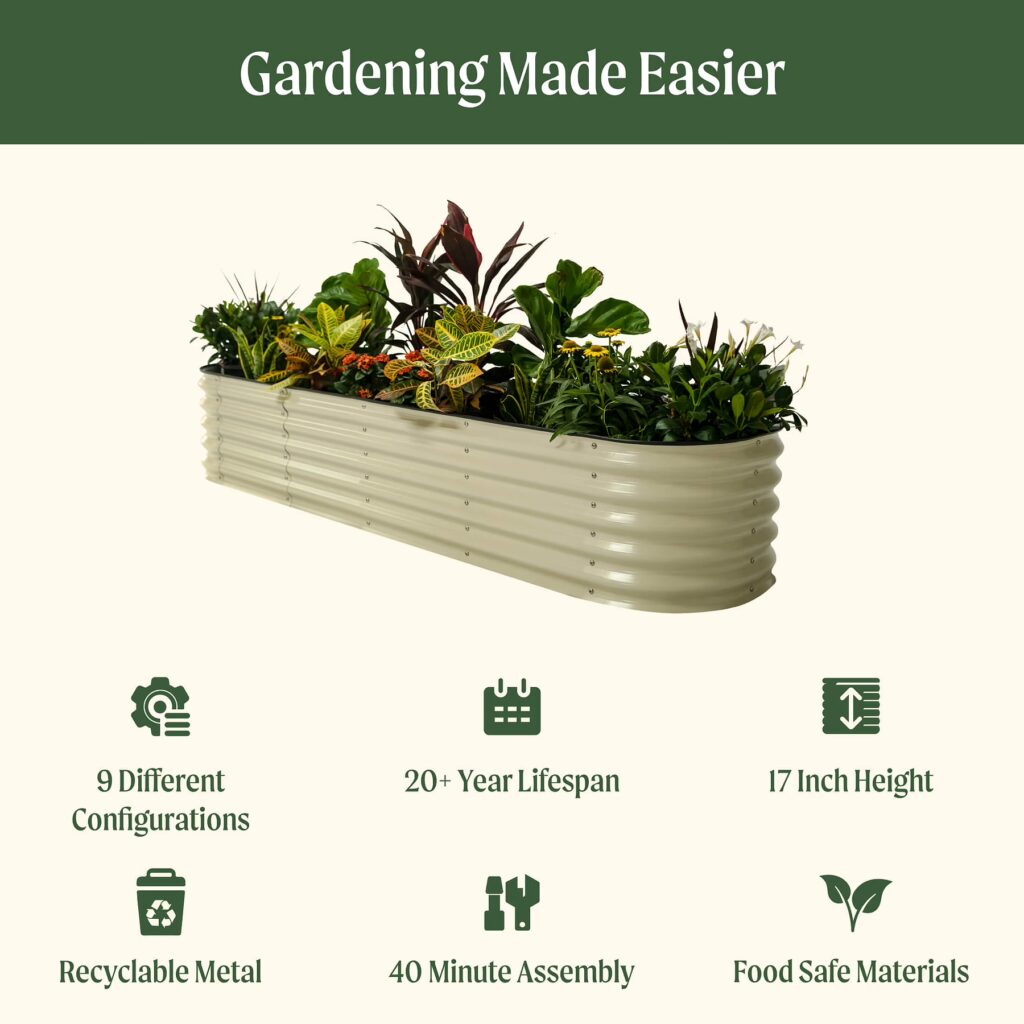
Photo: Vego Garden
Bottom Line
The Vego Garden 9-in-1 Modular Raised Bed is a well-engineered product that does exactly what it claims to do. The material quality is legitimately superior to wood and basic galvanized steel. The modular design delivers real flexibility rather than a gimmick. The ergonomic 17-inch height is a meaningful quality-of-life improvement that keeps coming up in accounts from gardeners with physical limitations. And while the 20-year durability claim can’t be fully verified yet by definition, multi-year owner reports show zero rust or structural degradation – which is more than most competitors can demonstrate.
The catches are real but entirely manageable with some upfront planning. Budget for soil before you buy the bed. Remove that protective film carefully and wear gloves. Most importantly, decide on your trellis and structural add-ons before assembly day, not after your first harvest. Get those three things right, and you’re very likely to be the person who goes back and orders a second kit.
What would make you hesitate most – the price, the soil cost, or figuring out which of the nine configurations actually fits your space? Leave it in the comments.
FAQ
Is the Vego Garden 9-in-1 raised bed worth the price?
For long-term, committed gardeners, yes. The upfront cost is higher than wood or budget metal alternatives, but the 20-plus year rated lifespan and zero-maintenance durability make the annual cost-per-use competitive. If you’re a casual or first-time gardener, or if you expect to move within a few years, the math is harder to justify.
How hard is it to assemble the Vego Garden 9-in-1 kit?
Most users describe it as straightforward – comparable to beginner-level flat-pack furniture. Expect roughly 45-60 minutes for a standard configuration. A power drill speeds up the hardware tightening significantly, and assembling on a raised surface like a picnic table makes the process much more comfortable than working on the ground.
Do Vego Garden metal raised beds overheat in summer?
This concern is common but largely unfounded based on multi-year owner experience. The white interior coating and VZ 2.0 exterior paint are specifically designed to reflect rather than absorb heat. Gardeners in hot climates – including Texas – consistently report soil temperatures inside the beds remain stable and manageable, outperforming plastic and dark corrugated metal alternatives.
How much soil do I need to fill the Vego 9-in-1 kit?
It depends on the configuration. The most popular 3.5′ x 6.5′ footprint at 17 inches deep requires roughly 22-25 cubic feet of soil to fill entirely. The Hugelkultur method – layering logs, branches, compost, and organic waste at the bottom first – is widely recommended by experienced owners to reduce that soil volume and improve long-term growing conditions.
Can I add a trellis after the bed is already filled with soil?
Technically yes, but it requires scooping out a significant portion of the soil to access the panel screws the trellis system attaches to. Multiple experienced users flag this as a major lesson learned. Install any structural add-ons – trellises, cover frames – before filling the bed with soil, not after.
Does the Vego Garden raised bed rust over time?
Based on multi-year owner reports, no. The VZ 2.0 coating is specifically engineered to outperform basic galvanized steel, and its corrosion resistance has been independently verified at Texas A&M’s testing lab. Owners with beds three or more years old consistently report no rust, no paint cracking, and no structural degradation.
What are the nine configurations available in the kit?
The kit supports nine footprint shapes: 3.5′ x 6.5′, 2.0′ x 8.0′, 5.0′ x 5.0′, 2.0′ x 6.5′, 3.5′ x 5.0′, 3.5′ x 3.5′, 2.0′ x 5.0′, 2.0′ x 3.5′, and 2.0′ x 2.0′. Vego offers a 3D design tool on their website to help you visualize each option in the context of your actual yard layout before buying.
Is the Vego Garden bed safe for growing edible plants?
Yes. The paint used on all panels is USDA-certified and developed specifically for food production environments. It contains no heavy metals such as lead, mercury, or selenium, and the steel substrate does not leach chemicals into the surrounding soil at concentrations associated with any known health risk.
Where can I buy the Vego Garden 9-in-1 raised bed?
The kit is sold through Vego Garden’s own website as well as through major national retailers including Home Depot, Amazon, and Lowe’s. Buying direct from Vego often provides access to bundle pricing on multi-packs, which reduces the per-unit cost compared to buying individual kits separately.