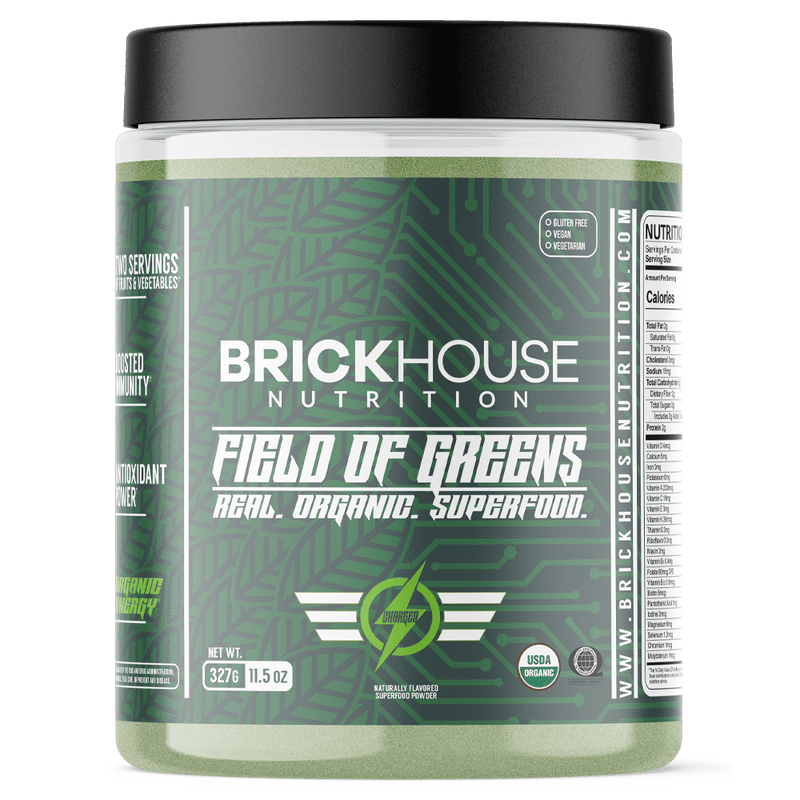
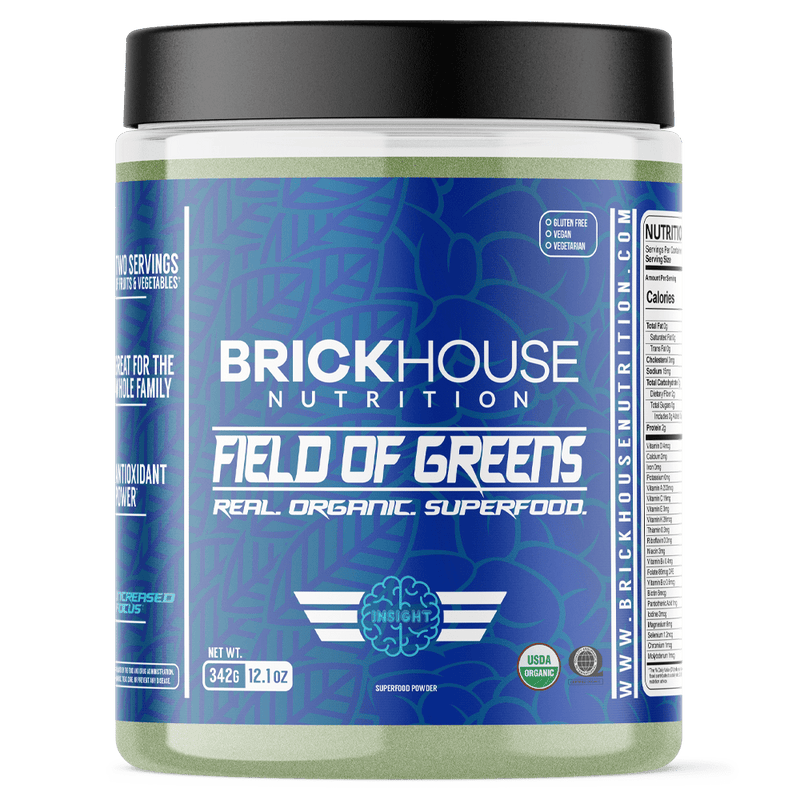
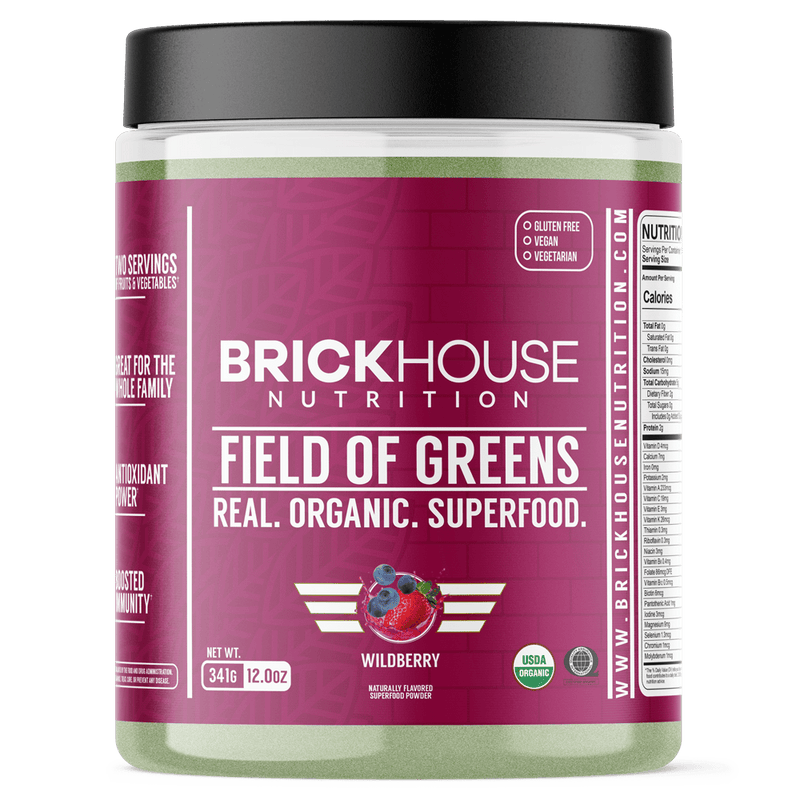




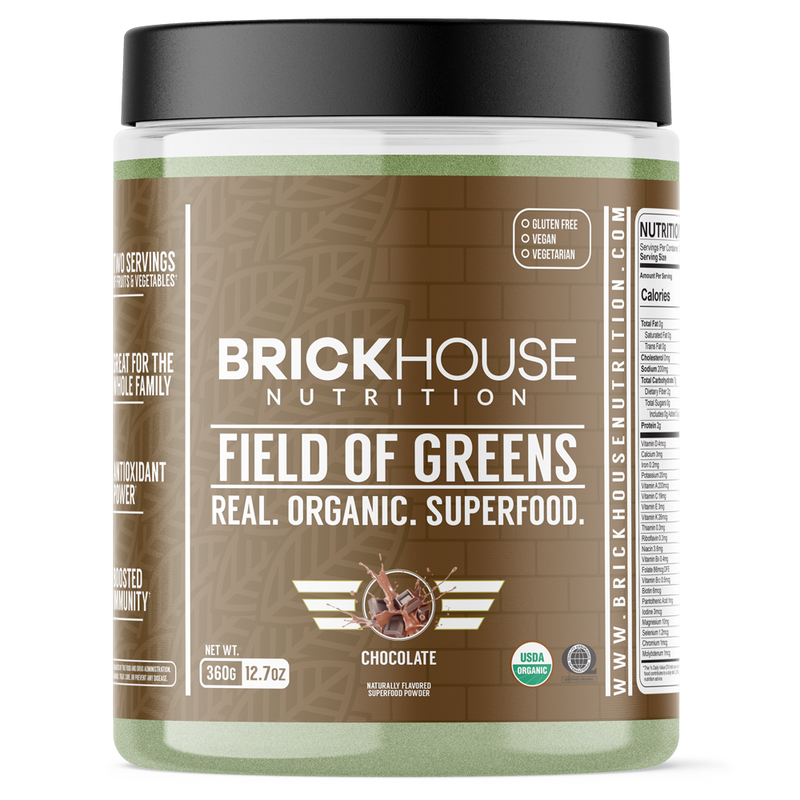
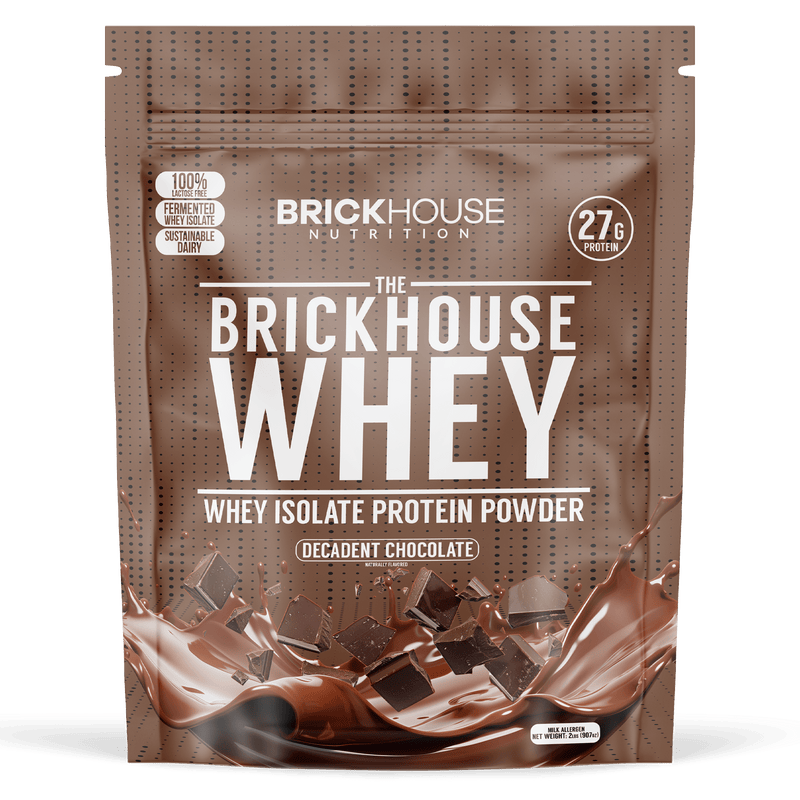

BrickHouse Nutrition Field of Greens
$79.00
Field of Greens Review: Does BrickHouse Nutrition’s Greens Powder Actually Work?
TLDR
Field of Greens by BrickHouse Nutrition is a fruit-forward, USDA organic greens powder that real users generally rate well on taste but split on value – here’s the verdict in one sentence: it’s a genuinely pleasant-tasting greens powder that’s easier to justify if you buy into the subscription discount, harder to justify if you’re comparing cost-per-serving against the field.
- What it is: an organic greens, fruit, and antioxidant powder marketed as “real food” rather than a typical supplement
- Who it’s for: people who already eat reasonably well but consistently miss their daily fruit and veggie targets
- Top strengths: noticeably fruity, non-grassy taste and a formula recently backed by a published university study
- Biggest limitation: proprietary blends hide exact ingredient amounts, and it’s pricier than several rivals
- Quick verdict: worth a single bag if taste and consistency matter most to you; skip it if you want fully disclosed dosing at a lower price
Introduction
Greens powders all promise the same thing – eat like a rabbit without actually eating like a rabbit – and most of them taste like it, too. Field of Greens has built a following by breaking from that formula, going heavier on organic fruit and antioxidants than on kale-and-spirulina bitterness. The question worth asking before you drop $90 on a bag is whether that reputation holds up once you look past BrickHouse Nutrition’s own site and into what actual customers, testers, and reviewers have said after using it for weeks or months, not just one scoop. That’s what this review sets out to answer.

Photo: BrickHouse
What Field of Greens Is and Who It’s For
Field of Greens is the flagship product from BrickHouse Nutrition, a Texas-based supplement company that has sold the powder as its core offering since 2016. The pitch is straightforward: one scoop mixed into water or another beverage is supposed to deliver a serving of fruits and vegetables in a format that fits into a schedule that doesn’t leave much room for chopping produce. The company markets the product with a Nutrition Facts panel rather than a Supplement Facts panel, arguing that because the formula uses freeze-dried whole fruits and vegetables instead of extracts, it should be classified more like food than like a typical capsule-based supplement.
The current formula combines a greens blend, a fruit-based antioxidant blend, a metabolic and digestive support blend with prebiotic fiber and probiotics, and a disclosed vitamin and mineral blend that includes B-complex vitamins along with C, D3, and K2. BrickHouse Nutrition has also leaned into third-party validation more than most competitors in this space – the product has been through third-party testing for heavy metals and microbial activity, and the company commissioned an independent clinical trial run at Auburn University that was later published in the peer-reviewed journal Frontiers in Nutrition. That’s a meaningful step up from the industry norm, where “clinically studied” often just means a marketing phrase with nothing behind it.
Field of Greens is aimed squarely at busy adults, particularly an older or health-conscious demographic that already listens to wellness or political talk radio – it’s frequently promoted through hosts like Dan Bongino, and several Trustpilot reviewers mention discovering the brand that way. It’s not really positioned as a hardcore athletic performance product, though flavors like Charged (with added caffeine) and Insight (with a cognitive mushroom blend) push it slightly in that direction.

Photo: BrickHouse
Who Should Look Elsewhere
If you’re comparison-shopping against AG1, Bloom, or other big names in the greens category purely on price or on fully transparent ingredient dosing, Field of Greens may frustrate you. Several reviewers note that BrickHouse Nutrition keeps its greens, antioxidant, and metabolic blends proprietary, meaning you can see the ingredient list but not how much of each ingredient you’re actually getting per scoop. For people who care deeply about exact dosing – rather than trusting the brand’s overall quality claims – that opacity is a real sticking point.
Taste and Mixability: The Product’s Strongest Selling Point
This is where Field of Greens consistently outperforms expectations, and it’s the single most repeated theme across independent testing sites and everyday customer reviews alike. Testers at BarBend, who’ve evaluated dozens of competing greens powders using a standardized methodology, specifically called out that Field of Greens leans fruity rather than grassy, crediting the antioxidant blend of organic blueberry, raspberry, and strawberry for masking the vegetal notes that usually make these products a chore to finish. One of their certified nutrition coach testers rated the taste a full 5 out of 5, describing it as tasting like “healthy sweet green tea” and saying it was one of the best-tasting greens powders he’d tried.
That sentiment shows up outside professional review sites too. On Trustpilot, one customer specifically noted that her husband – typically no fan of chalky green drinks – had zero complaints about Field of Greens, which she flagged as unusually notable given his track record with similar products. That kind of unprompted, specific praise tends to carry more weight than generic five-star ratings, because it’s the sort of detail people only mention when a product genuinely surprised them.
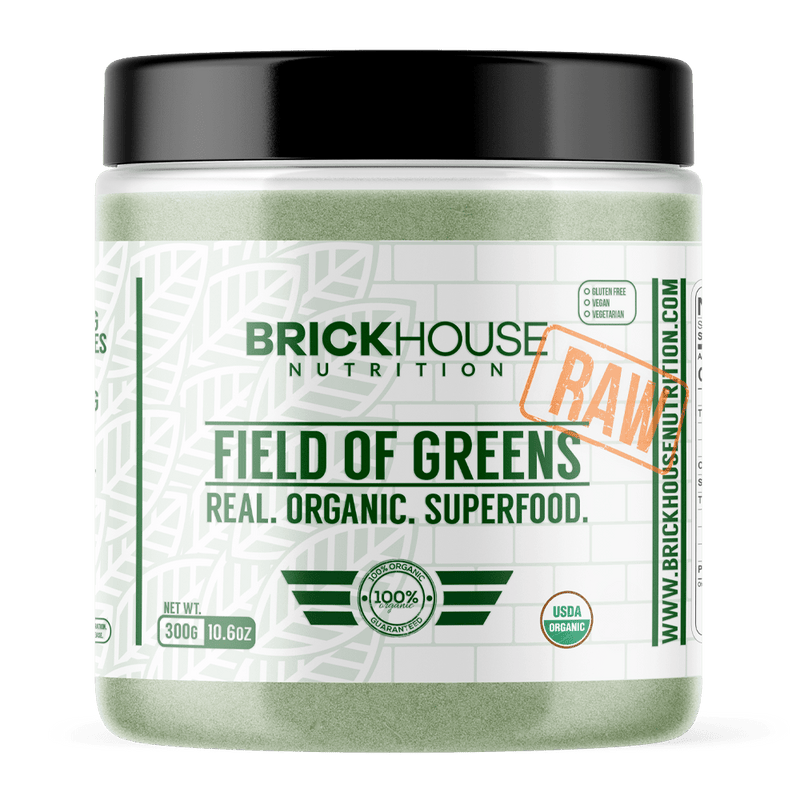
Mixability gets similarly positive marks. Reviewers across multiple sites note that it dissolves well with just a spoon or a shaker bottle, without needing a blender to break up clumps – though a few testers mention it can settle slightly if left sitting for more than a minute or two, so a quick stir before finishing the glass helps. Not every account is glowing, though. At least one independent reviewer at The Supplement Reviews found the taste and texture unpleasant when mixed with plain water as instructed, and only came around to it after switching to orange juice instead – a reminder that “leans fruity” doesn’t mean “tastes like candy,” and personal palate still plays a role. The Raw variant, which skips stevia entirely, draws a different type of praise: reviewers who are sensitive to sweeteners describe it as the most “honest” tasting option, with more pronounced vegetal flavor that greens powder veterans tend to appreciate more than casual users.
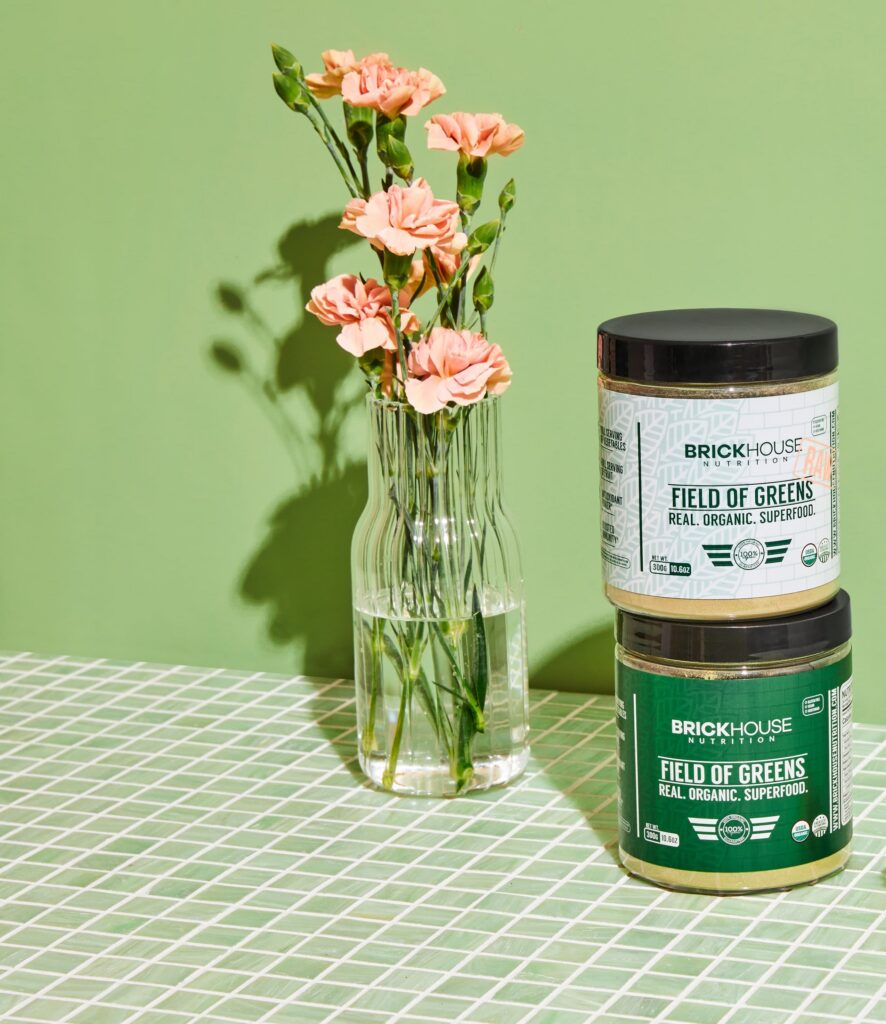
Photo: BrickHouse
Flavor Variety
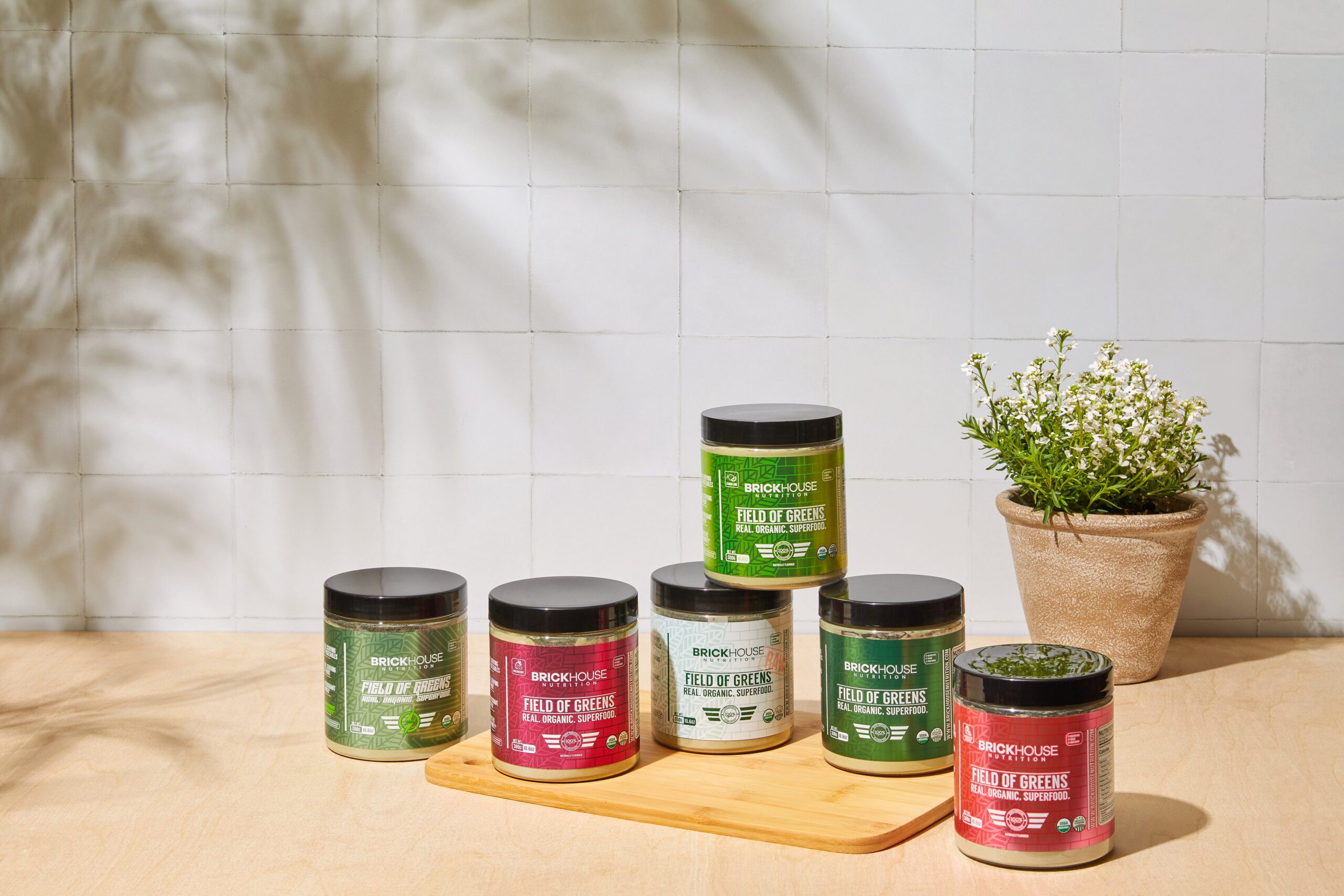
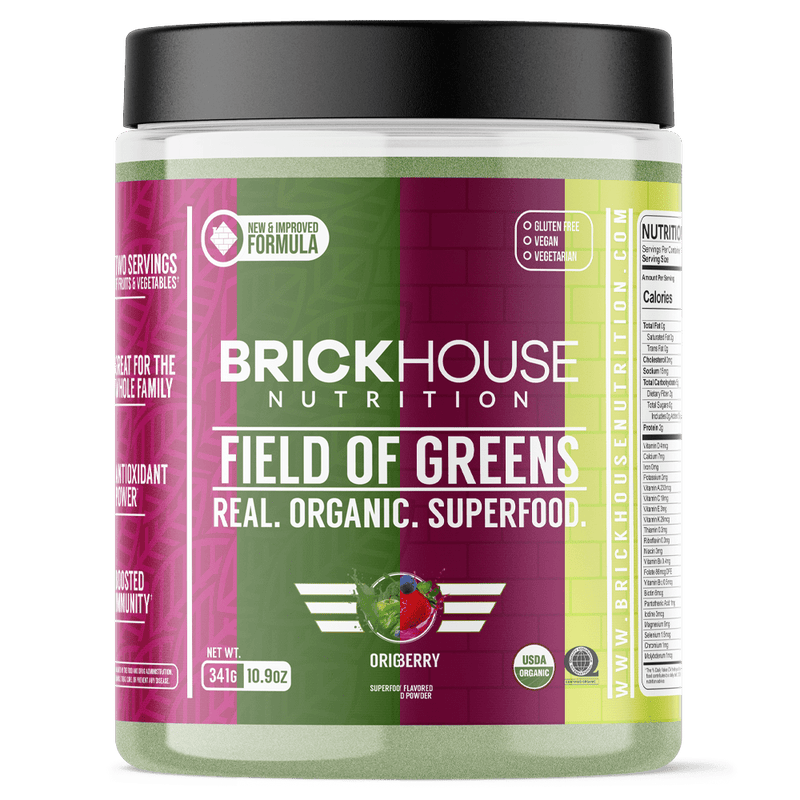
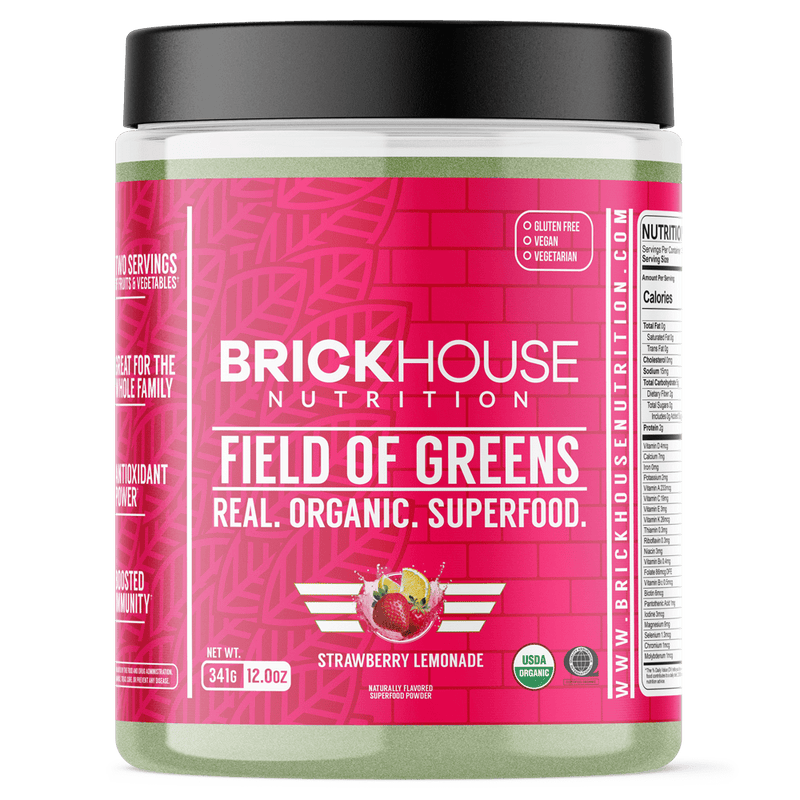
BrickHouse Nutrition has expanded well beyond the original stevia-sweetened flavor, now offering Wildberry, Strawberry Lemonade, Lemon Lime, Cucumber Lime, Chocolate, and Pineapple Mango, alongside functional variants like Charged (energy) and Insight (cognitive support). Wildberry is frequently cited by the company and by testers as the customer favorite, and having that many options is a genuine point of differentiation – most competing greens powders offer two or three flavors at most, so if you get bored of one, you’re not stuck reordering the same bag indefinitely.
Digestion, Energy, and Real-World Effects
Digestive tolerance is where user reports get more mixed than the marketing copy suggests. BrickHouse Nutrition promotes the prebiotic fiber and probiotic content as supporting healthy digestion and reduced bloating, and plenty of users back that up – it’s a recurring theme in Trustpilot reviews, with customers crediting the product for filling nutritional gaps on days when eating well simply doesn’t happen. But independent reviewers who dug through customer feedback more critically, rather than just citing the positive ones, found a subset of users reporting an upset stomach or other digestive discomfort after starting the product. That’s a common story with any concentrated fiber or probiotic supplement introduced abruptly, and it doesn’t necessarily indicate a flaw in the formula, but it’s worth knowing going in, especially if you have a sensitive gut.
One more serious complaint surfaces around allergens: at least one reviewer described a significant gluten reaction after using the product, despite Field of Greens being marketed as gluten-free, and cautioned that anyone with celiac disease or a serious gluten intolerance should read the label closely rather than relying on the marketing claims alone. This appears to be an isolated report rather than a widespread pattern, but given the stakes for someone with celiac disease, it’s the kind of thing worth flagging clearly rather than glossing over.
On the energy and overall wellness side, feedback trends positive but vague, which is typical for this entire product category. Users describe feeling like they’re covering nutritional gaps, having more consistent energy, or simply feeling good about having “done something healthy” for the day. Few reviewers report dramatic, measurable transformations, and that tracks with what you’d expect from a fruit and vegetable powder rather than a stimulant or targeted therapeutic supplement – it’s a nutritional supplement, not a miracle in a bag, and reviewers who went in expecting the latter tend to walk away disappointed.
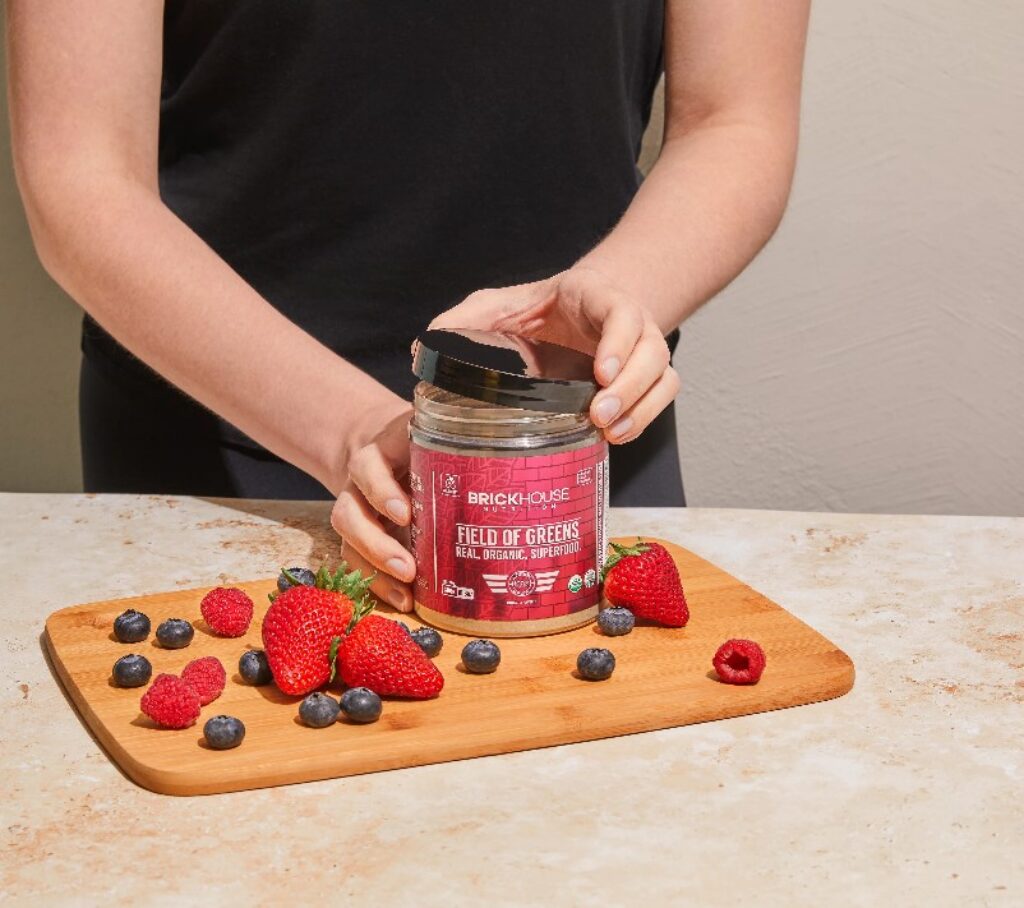
Photo: BrickHouse
Effectiveness Skepticism
Not every reviewer is convinced the product delivers proportional value. One critical reviewer at The Supplement Reviews, after going through customer feedback on the brand’s own site as well as Reddit, YouTube, and TikTok, concluded personally that they felt the product didn’t live up to its claims and that other users’ experiences were similarly split rather than uniformly glowing. Another reviewer bluntly stated that ingredients appeared underdosed relative to the price, given the lack of transparency around exact amounts in the proprietary blends. These aren’t fringe opinions – they represent a consistent minority view that shows up across several independent review sites, and they’re worth weighing against the more numerous positive testimonials on BrickHouse Nutrition’s own platform.
Pricing, Value, and the Subscription Question
Field of Greens isn’t cheap. A single one-month supply currently runs close to $90 on the BrickHouse Nutrition website, which works out to roughly $3 per serving before any subscription discount – notably higher than the sub-$2-per-serving pricing some competing greens powders offer. Subscribing knocks about 10% off, plus BrickHouse Nutrition periodically offers a free gift with subscription orders, which brings the effective cost down somewhat, though still not to budget territory.
The value conversation splits fairly cleanly into two camps among reviewers. One camp – generally the people focused on taste, convenience, and the brand’s investment in third-party testing and the Auburn University trial – feels the price is justified by product quality and a level of scientific backing that’s genuinely rare in this category. The other camp, more focused on ingredient transparency and per-serving cost comparisons, feels the proprietary blends make it impossible to verify you’re getting what you’re paying for, and points to cheaper alternatives with fully disclosed dosing as a better use of money. A recurring, more measured complaint on Trustpilot doesn’t reject the product outright but simply wishes the price were lower, since customers who like the product still feel the pinch of buying it long-term.
Where the price complaints turn into genuine frustration is around the subscription itself. A meaningful chunk of negative reviews across Trustpilot and PissedConsumer aren’t really about the product at all – they’re about how hard it can be to cancel or modify a recurring order. Multiple customers describe the cancellation process as difficult, sometimes requiring a phone call rather than a simple account setting, and note that reaching a live representative can take real time and persistence. BrickHouse Nutrition’s team does appear to respond to these complaints publicly and apologetically, and several reviewers confirm the issue eventually gets resolved once they get someone on the phone – but “eventually resolved after a call” is a lower bar than “easy to manage online,” and it’s a legitimate factor to weigh before you subscribe rather than buy a single bag.

Photo: BrickHouse
Bottom Line
Field of Greens earns its reputation on taste. Across professional testers and everyday customers alike, the fruity, non-grassy flavor profile and easy mixability are the most consistently praised aspects of the product, and BrickHouse Nutrition’s recent investment in third-party testing and a published university trial gives it more credibility than most greens powders bother to pursue. Where the product loses points is on the value side: proprietary blends that hide exact dosing, a price tag that runs higher than several competitors, and a subscription cancellation process that a real number of customers describe as more of a hassle than it should be.
If you’re the kind of buyer who prioritizes taste and is willing to pay for a brand that’s put real research behind its claims, Field of Greens is likely to live up to what people are saying about it. If you’re comparison-shopping purely on cost-per-serving or need full ingredient transparency to feel comfortable, it’s worth putting it side by side with a more disclosed-dosage competitor before you commit to a subscription you may later have to fight to cancel. Have you tried Field of Greens yourself, and did your experience match what other users are reporting?
FAQ
Does Field of Greens actually taste good, or is that just marketing?
Independent testers and everyday customers largely agree it tastes better than typical grassy greens powders, thanks to its fruit-heavy antioxidant blend. It’s not universally loved – a few reviewers found it unpleasant mixed with plain water – but the fruity profile is a genuine differentiator backed by repeated, specific praise.
Is Field of Greens worth the price compared to other greens powders?
That depends on what you value. Reviewers who prioritize taste, brand transparency around testing, and the company’s published clinical research tend to think it’s worth it. Reviewers focused on cost-per-serving and fully disclosed ingredient amounts often point to cheaper alternatives instead.
Can I buy Field of Greens on Amazon or in stores?
No, it’s sold exclusively through the BrickHouse Nutrition website and app, which several reviewers flag as a limitation since it means all customer reviews live on a platform the company controls, with no independent third-party review aggregation to cross-check.
Is it easy to cancel a Field of Greens subscription?
Not always, based on customer feedback. A number of Trustpilot and PissedConsumer reviews describe difficulty canceling, sometimes requiring a phone call rather than an online option. BrickHouse Nutrition typically responds and resolves these issues, but it’s worth going in aware of the friction.
Does Field of Greens cause digestive side effects?
Most users report neutral to positive digestive effects, including some who credit it with reduced bloating. A subset of reviewers report an upset stomach after starting the product, which isn’t unusual for a fiber- and probiotic-containing supplement introduced into a new routine.
Is Field of Greens actually gluten-free?
It’s marketed as gluten-free, but at least one reviewer reported a significant gluten reaction after use. If you have celiac disease or a severe gluten intolerance, read the label directly and consider contacting the company before trusting the marketing claim alone.
What’s the difference between the Original, Raw, and other flavors?
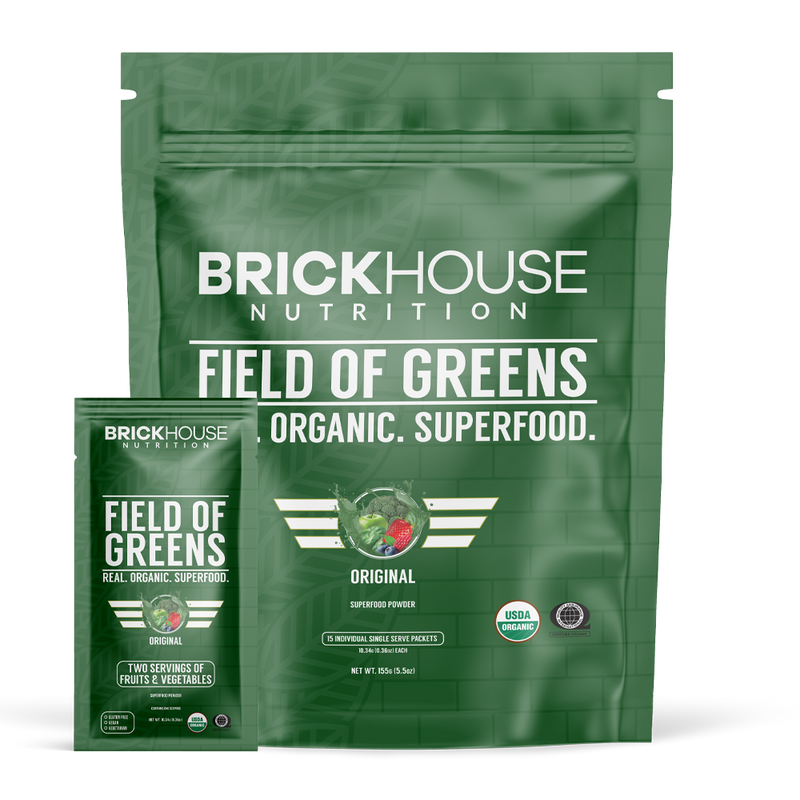
Original is sweetened with organic stevia, Raw skips added sweetener entirely for a more vegetal taste, and flavors like Wildberry, Lemon Lime, and Strawberry Lemonade add fruit flavoring on top of the base formula. Charged includes an energy blend and Insight includes a cognitive mushroom blend.
Does BrickHouse Nutrition have real clinical research behind Field of Greens?
Yes – the company commissioned an independent, randomized crossover trial conducted at Auburn University looking at effects on gut microbiome composition, which was published in the peer-reviewed journal Frontiers in Nutrition. That’s more rigorous backing than most products in this category typically have.
Who should avoid Field of Greens?
People who need full ingredient-dosage transparency, anyone with a severe gluten allergy who hasn’t verified the label directly, and budget-focused buyers who can find comparable nutrition at a lower per-serving cost elsewhere are the groups most likely to be better served by a different product.