Les Mills Body Pump & Strength
Original price was: $984.97.$769.99Current price is: $769.99.
Les Mills Body Pump & Strength: Worth Buying?
TLDR
If you already love BodyPump in class and want that exact workout at home without another purchase down the road, this bundle earns its price – but it’s not the cheapest way to build a home gym.
- What it is: A $769.99 bundle pairing Les Mills SMARTBAR equipment (barbell, plates, step/bench) with a 12-month LES MILLS+ streaming membership
- Who it’s for: People already familiar with BodyPump who want to replicate the class experience at home
- Top strengths: Fast, tool-free weight changes; sturdy, gym-grade build quality; a genuinely motivating app library
- Biggest limitation: The price – and a streaming app that a lot of users say has gotten glitchier since its last redesign
- Quick verdict: A smart buy for BodyPump loyalists with the budget; a harder sell for total beginners or anyone who hasn’t tried the class first
Introduction
A barbell that costs more than some people’s entire home gym setup, attached to a subscription you have to keep paying after the first year – that’s the pitch behind the BodyPump & Strength bundle, and it should make anyone pause before clicking buy. The real question isn’t whether Les Mills makes good workouts; three decades of packed studio classes already answered that. The question is whether the at-home version, this specific $769.99 package, actually delivers the studio feeling once you’re doing squats alone in your living room instead of surrounded by twenty sweaty strangers and a instructor yelling over a bassline. To answer that, it helps to look past the product page and into what people who’ve actually bought it – and used it for months, not just the unboxing video – are saying.
What the BodyPump & Strength Bundle Actually Is
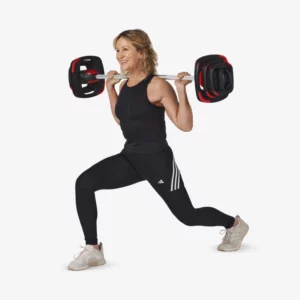
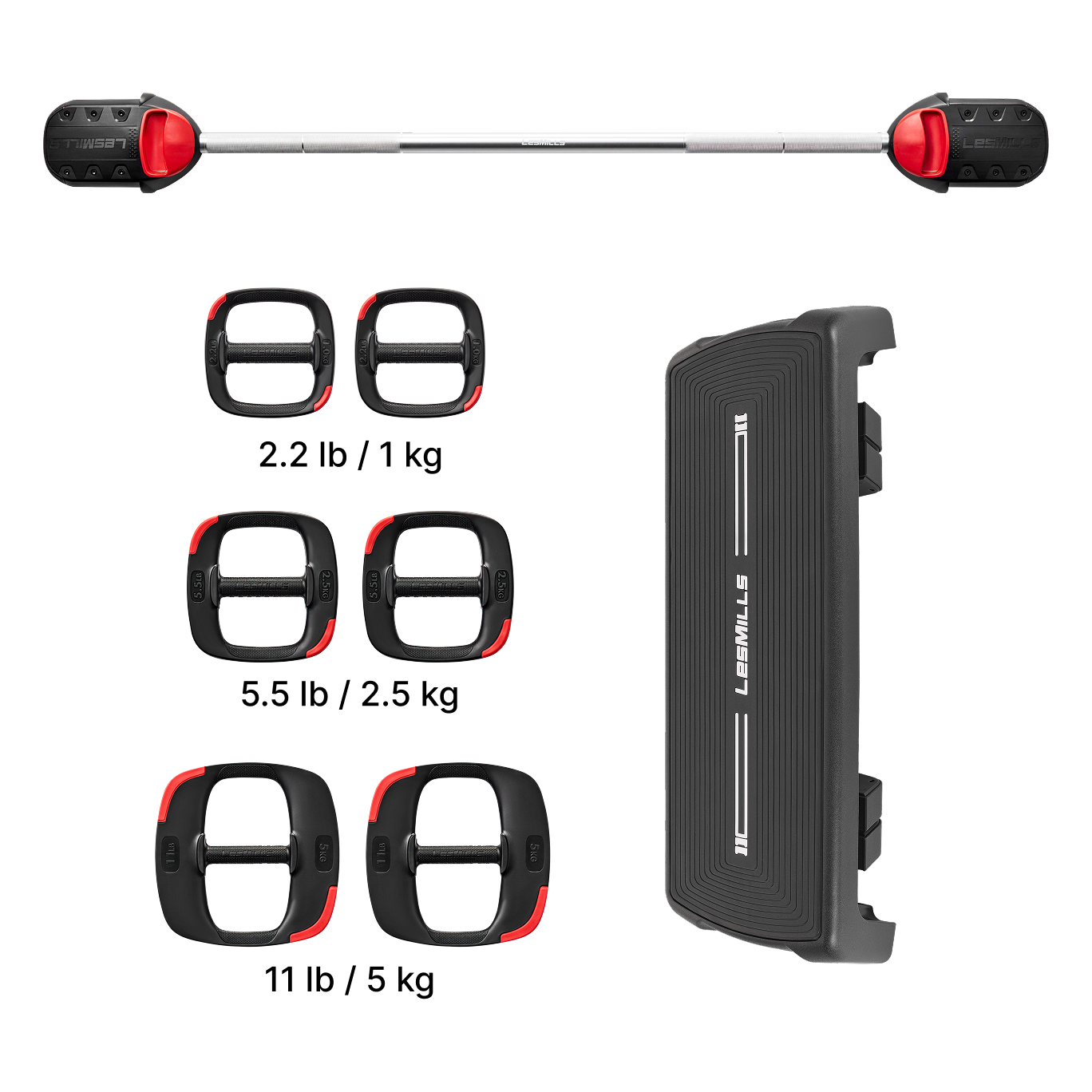
The bundle centers on two pieces of hardware: the SMARTBAR, a barbell system with weight plates, and the SMARTSTEP, an all-in-one step that doubles as a bench, plus a full year of LES MILLS+ streaming access thrown in. It’s built specifically to mirror the equipment used in the actual BodyPump class – the barbell, the plates, the platform for step and bench work – so that the at-home workout looks and feels like the studio one rather than a loose approximation using whatever dumbbells you already own.
That distinction matters more than it sounds. A lot of home workout gear is designed to be generically useful, and reviewers who’ve tested the SMARTBAR specifically note that it feels noticeably different from a standard barbell when you’re actually following along with a Les Mills routine – the plates clip on and off without collars, the bar’s grip diameter is tuned for high-rep lifting rather than max-effort sets, and the whole system is built around quick transitions between tracks rather than slow, deliberate loading like you’d do in a traditional strength program. In other words, this isn’t just “a barbell” – it’s a barbell built for one specific 55-minute format, and that’s exactly what makes it either brilliant or unnecessary depending on whether you’re actually doing that format.
The SMARTBAR and SMARTSTEP: What Users Actually Say About the Equipment
Owner reviews on Amazon and independent fitness-gear blogs are strikingly consistent on one point: the build quality holds up. People who’ve had their bar for several years report zero mechanical issues, and the “gator” clip mechanism that lets you swap plates without threading collars gets singled out again and again as the single best design decision in the whole system. One recurring comment pattern is some version of surprise – buyers who admit they questioned the price tag when the box arrived, then came around once they used it a handful of times and realized how much friction it removes from a workout that depends on fast transitions.
The complaints cluster somewhere else entirely: price and space. Several reviewers flag that the SMARTBAR system costs meaningfully more than generic adjustable barbells or dumbbell sets that would work for plenty of other home workouts, and that you’re essentially paying a premium for compatibility with one brand’s class format. There’s also a smaller but consistent thread of feedback about the bar’s flat grip – a fitness blogger who broke down the format’s mechanics pointed out that a straight bar can be less forgiving on the wrists than an EZ-curl-style bar, particularly for people with desk-job posture who aren’t used to that hand position under load. It’s a minor gripe in the scheme of things, but it shows up often enough to be worth flagging rather than dismissing as one person’s bad day.
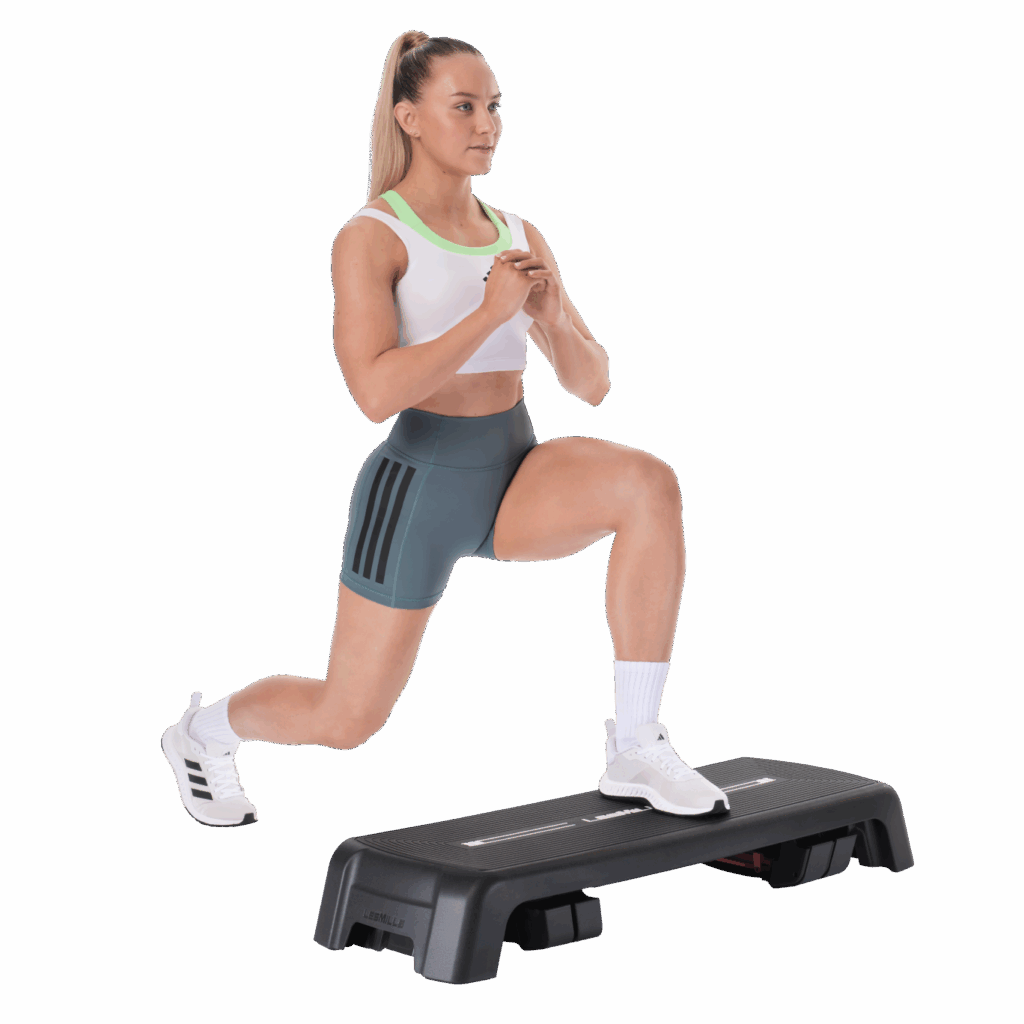
Photo: Les Mills
Inside a BodyPump Workout: The Rep Effect, Real or Marketing?
BodyPump’s whole premise rests on something Les Mills calls the Rep Effect – high repetitions with lighter weights instead of low reps with heavy ones, the theory being that muscular fatigue from volume builds lean, toned muscle without the bulk of traditional heavy lifting. Independent fitness writers who’ve dug into the exercise science are split on how much of that is genuine physiology versus marketing language. The multi-joint movements – squats, deadlifts, clean-and-presses – are objectively efficient, hitting several muscle groups per exercise, which most trainers agree is smart programming regardless of what you call it. Where the skepticism creeps in is the specific claim that light-weight, high-rep training uniquely avoids bulk while heavy lifting doesn’t – critics point out that muscle growth mostly comes down to total volume and progressive overload, not some special property of the rep range Les Mills popularized decades ago.
What almost nobody disputes, though, is that it works as a workout people actually stick with. That’s the recurring theme across app reviews, class recaps, and equipment testimonials alike – the music, the pacing, and the instructor energy translate into consistency in a way that solo gym sessions often don’t. A tester at a UK fitness publication described leaving BodyPump sessions sweaty and shaky in the best way, and that “shaky, but I showed up again next week” pattern comes up constantly in longer-term user accounts. For a lot of people, especially those who’ve struggled to stay motivated doing their own programming, that consistency is worth more than any debate about rep ranges.
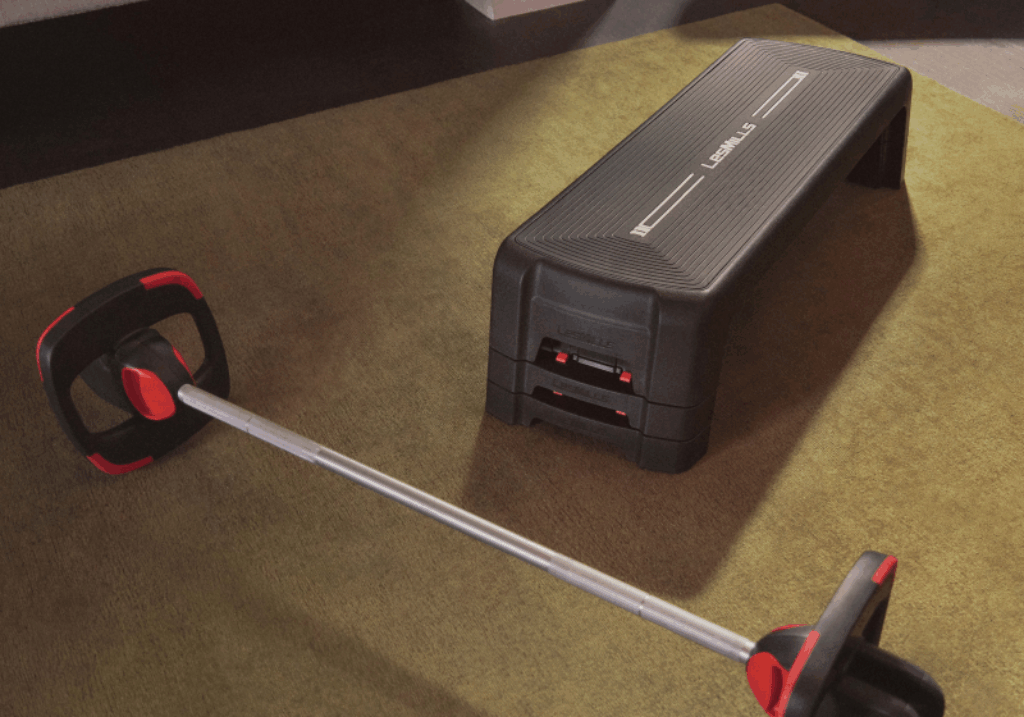
Photo: Les Mills
Too Light for Some, Just Right for Others
The most common practical complaint from BodyPump veterans isn’t about the equipment – it’s about the weight progression. Because classes run the same choreography for six to eight weeks before rotating, users who don’t proactively add plates report plateauing fast, describing sessions that stop feeling challenging once their strength catches up to the starting weight. Les Mills’ own guidance actually acknowledges this directly, telling members that if a track isn’t getting them hot and sweaty by the end, it’s a sign to grab a heavier plate rather than assume the format has a ceiling. That’s a fair point, but it does mean the system puts the burden of progression entirely on the individual – there’s no automatic prompt nudging you to go heavier, especially frustrating for solo home users without an instructor watching and calling it out in real time.
On the flip side, complete beginners and anyone returning from injury describe the low weights as exactly the on-ramp they needed. A user recovering from a broken leg specifically credited the format’s lighter, high-rep approach with rebuilding strength and balance safely before working back up to heavier training. That split – “too light” from advanced lifters, “perfectly scalable” from beginners and rehab cases – shows up so often in reviews that it’s less a flaw than a feature that depends entirely on who’s using it.
Pricing and Value: Is $769.99 Worth It
At $769.99 for the bundle (down from a $984.97 list price), you’re paying for hardware plus twelve months of LES MILLS+, which on its own runs roughly $120 a year at the premium tier. Strip out the subscription value and you’re left paying somewhere in the $650 range for a barbell, plates, and a step-slash-bench. That’s steep next to a generic adjustable dumbbell set, but reviewers who’ve compared it to building an equivalent home gym piece by piece generally conclude it’s competitive once you factor in the multi-purpose step (which functions as a bench, riser, and platform) and a three-year warranty on the bar itself.
The math that actually seems to sway buyers isn’t equipment-versus-equipment, though – it’s equipment-versus-gym-membership. Multiple reviewers frame the purchase as a break-even calculation against a monthly studio fee, reasoning that a year or two of consistent home use pays the bundle off compared to what they were spending on classes. Whether that logic holds depends entirely on whether you’ll actually use it two or three times a week the way Les Mills recommends – the equipment reviews are full of enthusiastic long-term owners, but it’s worth remembering that people who bought something expensive and use it are more likely to write a glowing review than people who bought it and let it gather dust in a corner.
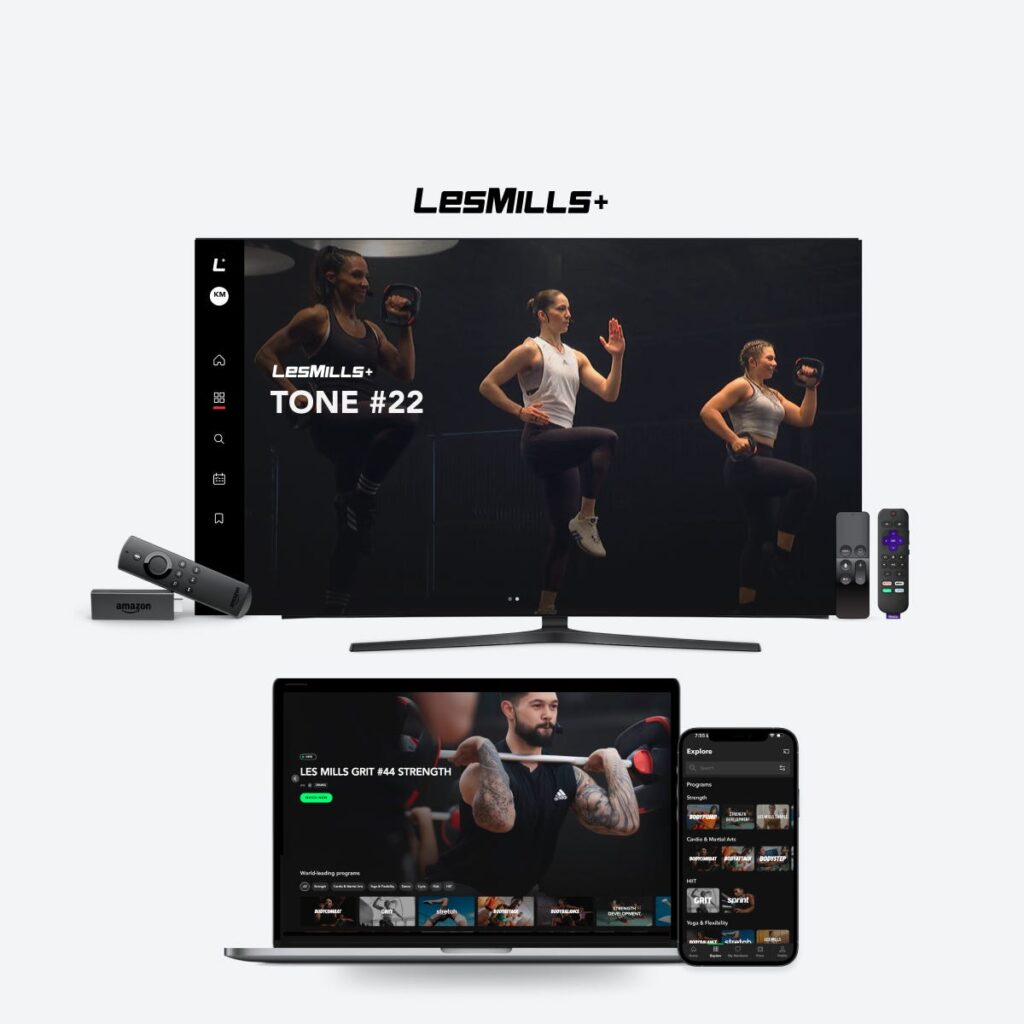
Photo: Les Mills
LES MILLS+ App: The Good and the Frustrating
The streaming side of the bundle gets more mixed reactions than the hardware. App store reviews and Trustpilot feedback frequently praise the production quality, the instructor coaching, and the sheer size of the library – thousands of workouts across dozens of formats, with the kind of polish testers compare favorably to Peloton’s app. Long-time subscribers describe genuinely looking forward to sessions, crediting the music and pacing with making workouts they’d otherwise dread feel like they fly by.
The frustration cluster is just as loud, though, and it centers on two things: the recent app redesign and cancellation friction. A meaningful number of reviewers say the newer version of the app streams less reliably than the old one, with videos failing to load, casting that stutters mid-workout, and saved favorites that didn’t carry over in the migration. Separately, and more seriously, a cluster of Trustpilot reviews describe billing surprises – subscriptions that auto-renewed unexpectedly, or difficulty getting a straight answer from customer support when trying to cancel. None of that is unique to Les Mills in the subscription-fitness space, but it’s a real enough pattern across independent review sites that it’s worth checking your renewal settings the moment you activate the included membership, rather than assuming it’ll politely lapse on its own.
Who Should Buy This Bundle and Who Should Skip It
This bundle makes the most sense for someone who’s already taken BodyPump in a studio, liked it, and wants to keep the habit going without a gym commute. If you know you respond well to the format – the music, the pacing, the instructor energy – and you have the space and budget, the equipment reviews suggest you’ll get years of reliable use out of it, and the three-year warranty on the SMARTBAR backs that up.
It’s a tougher sell if you’ve never taken a BodyPump class at all. Dropping nearly $800 on branded equipment for a workout style you haven’t experienced is a bigger gamble than trying a few sessions on the app first, or taking a studio class if one’s nearby, before committing to the hardware. It’s also not the right pick for anyone chasing serious strength gains through heavy lifting – by design, this is a high-rep, moderate-load system, and lifters wanting to progressively overload toward a one-rep max will hit the format’s ceiling fast and outgrow the included plates.
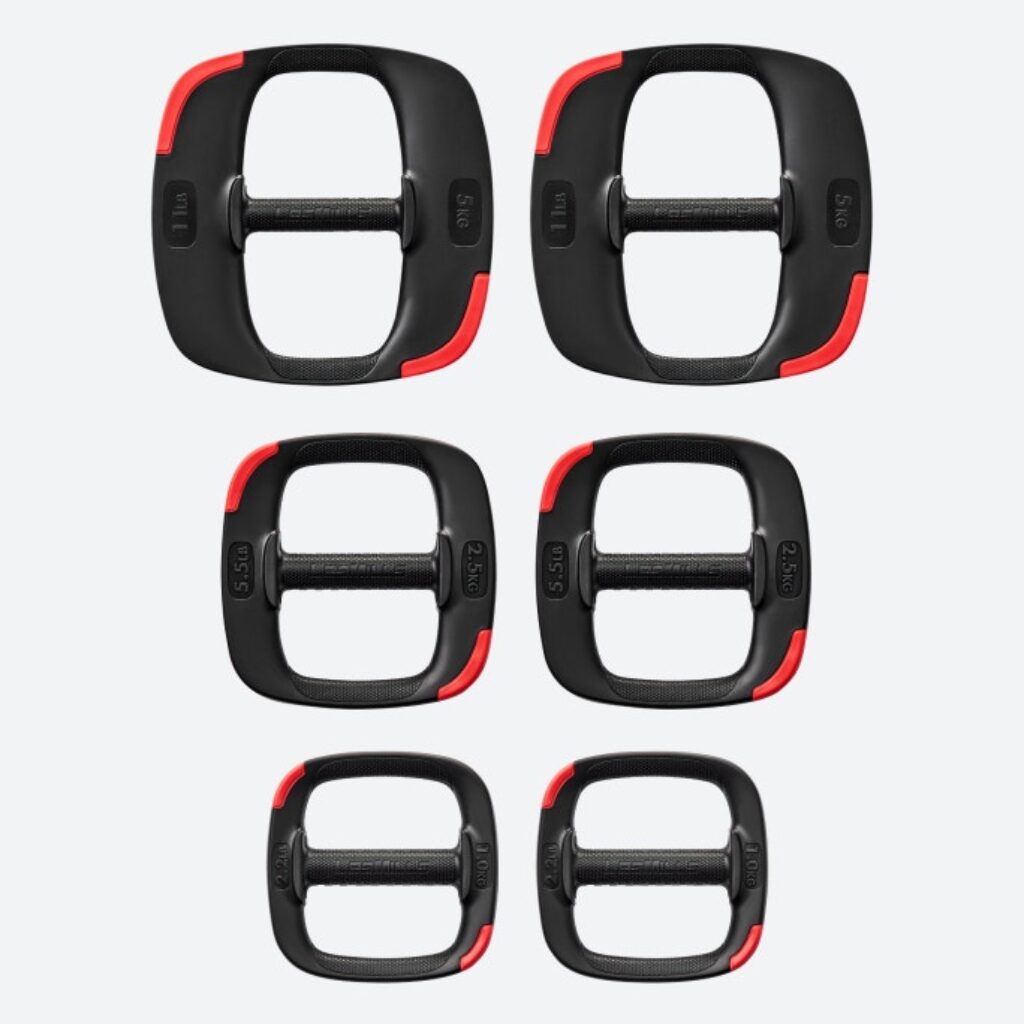
Photo: Les Mills
Bottom Line
The BodyPump & Strength bundle is a case of a company selling exactly what it says it’s selling, and mostly delivering. The hardware earns consistent praise for build quality and the kind of small design choices – tool-free plate changes, a step that also works as a bench – that make a real difference once you’re mid-workout and don’t want to fumble with clips. The $769.99 price is the main friction point, and it’s compounded by an app experience that’s had a rocky redesign and some real subscription-management complaints worth taking seriously before you hand over payment details.
Where this lands for you comes down almost entirely to whether you already know you like BodyPump. Existing fans with the budget and the space are set up to get real, sustained value out of it; total newcomers are better off testing the format for free or in a studio before committing to branded gear built around one specific class. So here’s the question worth sitting with: is a workout you’ve already fallen for in a studio worth this much to bring home, or would you rather try before you buy?
FAQ
Does the BodyPump & Strength bundle include the LES MILLS+ subscription?
Yes, the bundle comes with a 12-month LES MILLS+ membership, which normally runs separately at roughly $120 a year for the premium tier. After the included year, it renews at the standard subscription rate unless you cancel.
Can I use the SMARTBAR for workouts other than BodyPump?
Yes. While it’s engineered around BodyPump, Core, and Grit Strength formats, reviewers regularly use it for general strength training, other streaming programs, and freestyle home workouts outside the Les Mills library.
Is BodyPump good for beginners?
Yes, with the right approach. Les Mills itself recommends starting with just the bar or very light plates and building up gradually, and multiple users – including people recovering from injury – describe the format as a safe, scalable entry point into strength training.
Why do my BodyPump weights feel too light after a few months?
Because the choreography repeats for six to eight weeks at a time, your strength can outpace your starting weight fairly quickly. The fix is proactive – add a plate on tracks where you’re not feeling challenged by the final rep, rather than waiting for the format to prompt you.
How does the SMARTBAR compare to a regular barbell?
The SMARTBAR uses a clip-based “gator” system instead of screw collars, letting you change plates in seconds rather than fumbling with hardware between tracks. It’s lighter than a standard Olympic bar and has a grip diameter tuned for high-rep lifting rather than heavy, low-rep sets.
Is LES MILLS+ worth it without the equipment bundle?
It can be. Reviewers consistently praise the app’s production quality and workout variety, though many complaints about streaming reliability and cancellation difficulty came from subscribers using the app on its own, not necessarily bundle buyers.
Can BodyPump help me build serious muscle mass?
Not in the bodybuilding sense. Its high-rep, moderate-load design is built for toning, endurance, and general strength rather than maximal muscle growth, and lifters chasing significant hypertrophy or a heavier one-rep max will likely outgrow the format.
What’s the return policy on Les Mills equipment?
Les Mills offers a 30-day trial period on its Smart Tech equipment, with returns accepted within that window for a full refund if you’re not satisfied, plus a multi-year manufacturer’s warranty on the SMARTBAR itself.