Updated on October 31, 2026
TLDR
Anker SOLIX is a sprawling lineup of portable power stations, solar panels, and whole-home backup systems built for anyone who wants to keep the lights on when the grid doesn’t cooperate.
- What it is: a brand under Anker Innovations offering portable power stations, solar generators, expansion batteries, and whole-home backup systems like the E10
- Who it’s for: homeowners worried about outages, off-grid campers, van lifers, and anyone wanting to pair solar panels with battery storage
- Top strength: scalable systems that start small with a single power station and grow into full whole-home backup with add-on batteries and solar panels
- Main limitation: the sheer number of models, bundles, and add-ons can make it genuinely confusing to figure out what you actually need
- Quick verdict: a solid pick if you take the time to size your system correctly, less ideal if you want a simple one-and-done purchase
Jump to:
- TLDR
- Introduction
- What Anker SOLIX Actually Offers
- Real-World Experience Patterns
- Who Should Buy This and Who Shouldn’t
- Bottom Line
- Frequently Asked Questions
- What is Anker SOLIX?
- How long do Anker SOLIX batteries last?
- Can Anker SOLIX power an entire house?
- Do I need an electrician to install an Anker SOLIX system?
- How much does an Anker SOLIX system cost?
- What is the difference between the S5000 and F3800 Plus?
- Does Anker SOLIX offer a warranty or return policy?
- Can Anker SOLIX systems be charged with solar panels?
- Is there a way to figure out which Anker SOLIX system I need?
Introduction
Power outages are annoying at best and dangerous at worst, especially if you’re relying on a fridge full of groceries or medical equipment that needs steady electricity. Anker SOLIX positions itself as the answer to that problem, with a catalog that spans compact portable power stations for camping trips all the way up to the E10, which the company calls the world’s first smart hybrid whole-home backup system. The pitch is simple: pick a starting point, then add batteries, solar panels, or transfer switches as your needs grow.
The question most shoppers actually have isn’t whether backup power is useful. It’s whether Anker SOLIX delivers enough value and reliability to justify the investment, and whether the product lineup is navigable or just overwhelming. Based on the information Anker SOLIX provides about its own lineup, pricing, and customer feedback, here’s an honest look at where the brand shines and where it might leave buyers scratching their heads.
What Anker SOLIX Actually Offers
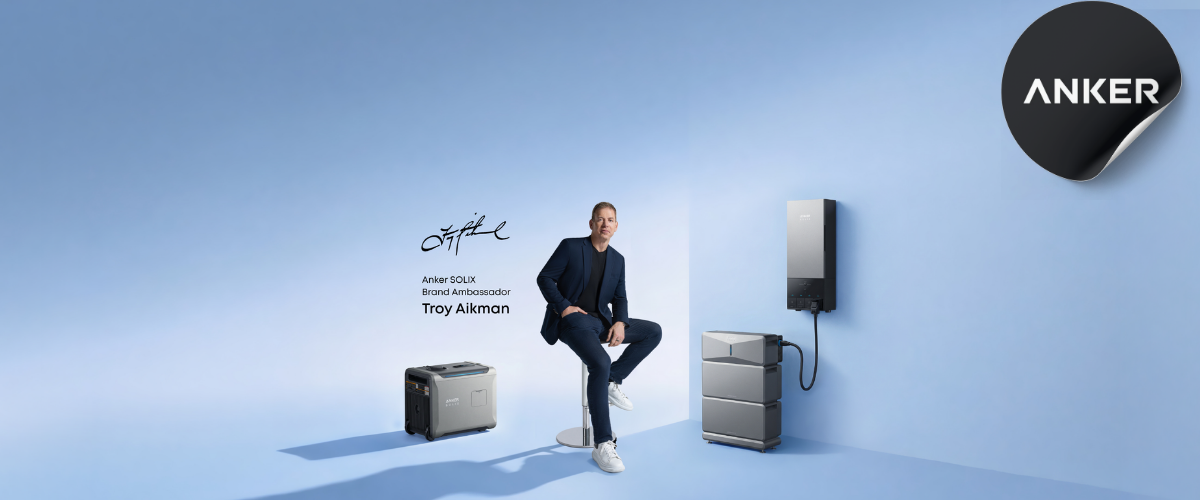
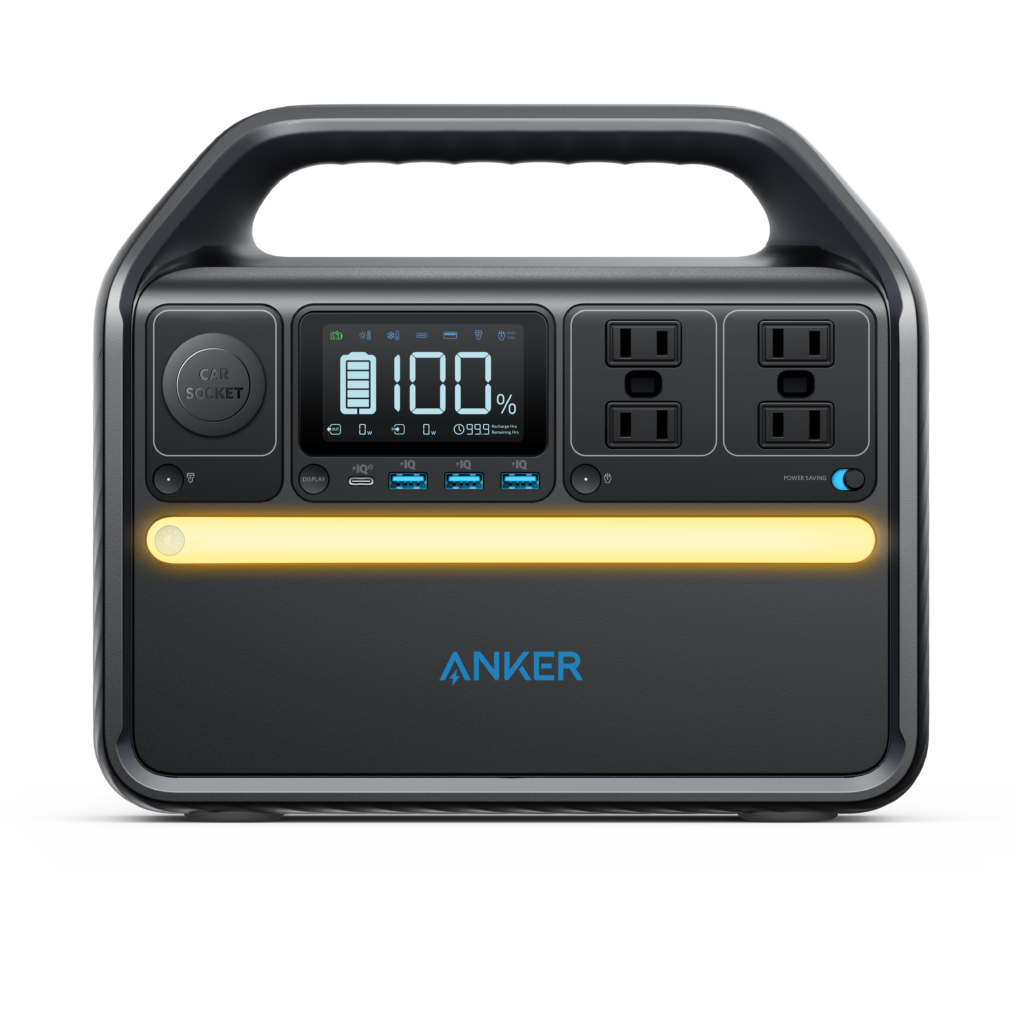
Anker SOLIX sits under the larger Anker Innovations umbrella, a company that says it has sold more than 200 million products worldwide and operates in 146 countries. The SOLIX line specifically focuses on energy storage and solar charging, split into two broad categories on the site: home solutions and outdoor solutions. On the home side, you’ve got standalone portable power stations like the S5000 and S2000, plug-and-play whole-home options like the F3800 Plus and F3000, and the E10, which is billed as a hybrid system that automatically switches between solar, grid, and battery power during outages.
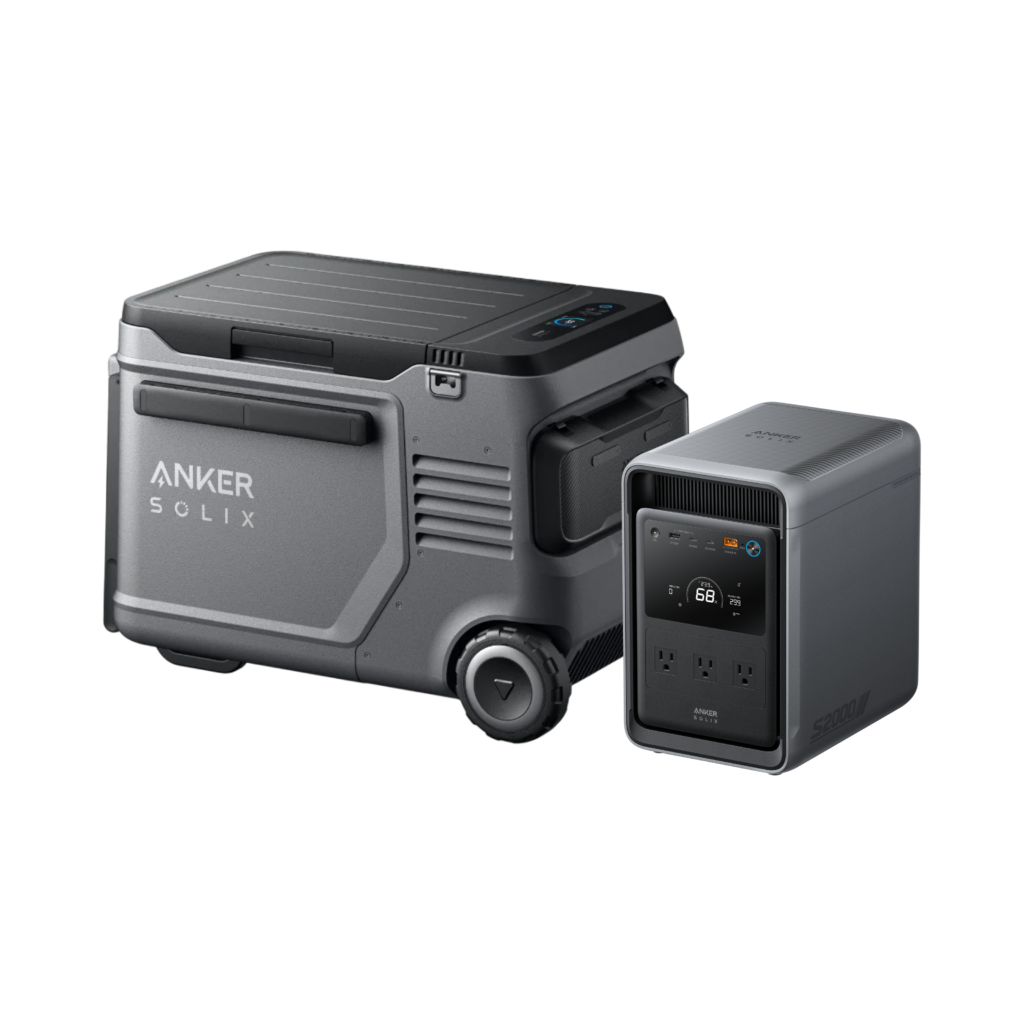
The outdoor side leans into camping and road trips, with smaller power stations and portable solar panels meant to charge gear and keep a cooler running. There’s also a dedicated electric cooler line and a full set of accessories including expansion batteries and solar panel adapters. The breadth here is genuinely impressive on paper. Whether that breadth translates into an easy shopping experience is a separate question, and one we’ll get into below.
Key Features Worth Knowing About
The headline tech feature across the lineup is LiFePO4 battery chemistry, which Anker SOLIX says is rated for roughly 3,000 charge cycles. That’s a meaningful number if you plan to use a unit daily for things like peak-shaving your electricity bill, since it suggests years of regular use before performance degrades noticeably. Paired with that is something called GaNPrime technology, which the company says cuts down on energy loss and heat during charging and discharging.
App control is another selling point, letting you check battery levels and manage power remotely from a phone. For people who travel or who want to monitor a home backup system while they’re away, that’s a practical feature rather than just a gimmick. The setup is also marketed as plug-and-play, meaning you shouldn’t need an electrician for basic configurations, though whole-home systems involving transfer switches and multiple circuits will likely still benefit from some technical know-how or professional installation.
Real-World Experience Patterns
Customer feedback featured on the Anker SOLIX site paints a pretty consistent picture: people are using these units for very specific, practical problems. One reviewer mentioned upgrading to the S2000 specifically because it could run a high-wattage induction cooktop at full power and lasted twice as long as their previous setup. Another said they planned to use the S2000 as both a desk-side UPS and a fridge backup tester, which speaks to the flexibility of having a mid-size unit that can serve double duty.
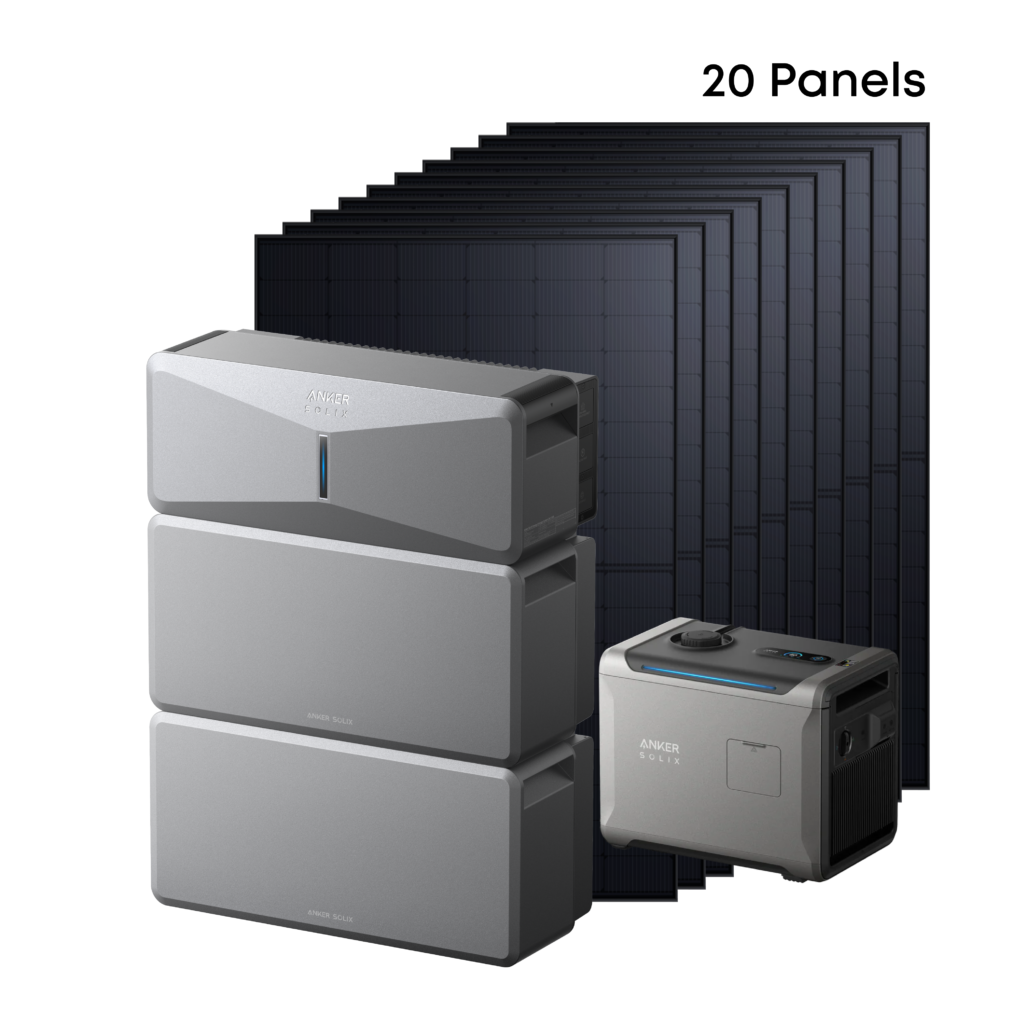
On the whole-home side, feedback skews toward peace of mind during storms and outages. Several reviewers mentioned pairing the F3800 Plus or F3000 with expansion batteries and solar panels specifically to keep a house running through extended power loss, including one customer who used two F3800 Plus units with a Smart Home Power Kit and reported having enough capacity to keep lights on and food from spoiling. Another used the F3000 with three expansion batteries and four rigid solar panels to power an off-grid astronomy cabin and a Starlink setup, cutting the device’s power draw significantly compared to a standard AC power supply. These aren’t glamorous use cases, but they’re exactly the kind of everyday reliability most buyers are actually looking for.
Pricing and Value
Pricing varies a lot depending on which system and bundle you choose. The standalone S5000 portable power station is listed at $2,499.99 after a coupon, while bundles that add a 400W bifacial solar panel push the price to $2,999.99. Adding an expansion battery bumps things to $4,499.99, and combining an expansion battery with a solar panel tops out at $4,999.99. A generator-compatible bundle with a 240V fast charging cable sits at $2,579.99. These numbers suggest that a bare-bones single unit is reasonably accessible, but building out a more complete off-grid or whole-home system gets expensive fast.
To help with the decision-making, Anker SOLIX offers a backup time calculator on its site that lets you select appliances you’d want to run during an outage and see an estimated runtime. There’s also a custom backup power solution tool where you enter your monthly electricity bill to get a tailored system recommendation. Both tools are useful additions since figuring out wattage requirements on your own can be genuinely confusing for people without an electrical background. On the purchasing side, the company offers free shipping in 3 to 7 days, a 30-day money-back guarantee, Affirm installment payments, and an AnkerCredits rewards program that lets repeat buyers earn credit toward future purchases.
Who Should Buy This and Who Shouldn’t
If you live somewhere prone to storms, hurricanes, or rolling blackouts and want a backup plan that scales from basic to comprehensive, Anker SOLIX makes a reasonable case for itself. The ability to start with something like the F3000 and add expansion batteries or solar panels later means you’re not locked into a single configuration from day one. Campers, van lifers, and anyone who spends serious time off-grid will also find a lot to like here, particularly with the dedicated outdoor solutions and portable solar panel options built for charging gear on the move.
On the flip side, if you want a dead-simple purchase without research, the sheer number of SKUs, bundles, and add-ons might be a turnoff. Shoppers who aren’t comfortable estimating their own wattage needs will want to lean heavily on the site’s calculator tools before buying, since picking the wrong size system could mean overspending or underpowering your essentials during an actual outage. People looking for a whole-home backup solution should also budget time to understand how transfer switches and circuit prioritization work, since the E10 and F3800 Plus systems involve more setup complexity than a simple plug-in power station. You can check current availability and pricing through this link if you want to compare options directly.
Bottom Line
Anker SOLIX has built a genuinely scalable ecosystem, starting with compact portable power stations and stretching all the way to whole-home backup systems like the E10 that integrate solar, battery, and generator power. The LiFePO4 battery chemistry and roughly 3,000-cycle lifespan suggest these units are built for long-term, repeated use rather than one-off emergencies, and the customer feedback on the site backs that up with people using these systems for everything from off-grid cabins to daily peak-shaving on their electric bills.
That said, the lineup’s biggest strength doubles as its biggest friction point. With so many models, bundles, and add-ons, picking the right configuration takes real effort, and the pricing can escalate quickly once you start adding expansion batteries and solar panels. For buyers willing to use the backup time calculator and think through their actual wattage needs, this looks like a solid long-term investment. For anyone hoping for a grab-and-go purchase, the research phase alone might be more than they bargained for. So the real question becomes: how much time are you willing to spend sizing your system before you commit to a price tag that could range from a few hundred dollars to several thousand?
Frequently Asked Questions
What is Anker SOLIX?
Anker SOLIX is a product line from Anker Innovations focused on portable power stations, solar panels, expansion batteries, and whole-home backup systems. It covers both home backup solutions and outdoor power needs like camping and road trips.
How long do Anker SOLIX batteries last?
The company states its LiFePO4 batteries are rated for approximately 3,000 charge cycles. That generally translates to years of regular use before you’d notice a meaningful drop in battery performance.
Can Anker SOLIX power an entire house?
Yes, certain systems are designed for whole-home backup, including the E10 and F3800 Plus. The E10 is described as a hybrid system that can prioritize and balance power across up to 12 circuits during an outage.
Do I need an electrician to install an Anker SOLIX system?
Basic portable power stations are designed to be plug-and-play without professional installation. However, whole-home systems involving transfer switches and multiple circuits are more complex and may benefit from professional setup.
How much does an Anker SOLIX system cost?
Pricing varies widely based on the model and bundle. A standalone S5000 power station is listed around $2,499.99 after a coupon, while bundles with expansion batteries and solar panels can push the price toward $5,000 or more.
What is the difference between the S5000 and F3800 Plus?
The S5000 is a 5kWh portable power station certified under UL9540 and UL9540A, while the F3800 Plus is marketed as a 240V plug-and-play option built specifically for powering home AC units and refrigerators during outages. Both can be scaled with expansion batteries.
Does Anker SOLIX offer a warranty or return policy?
Yes, the company offers comprehensive warranty protection on purchases along with a 30-day money-back guarantee for returns. Customers can also register their warranty and process claims directly through the site.
Can Anker SOLIX systems be charged with solar panels?
Yes, the lineup includes portable and rigid solar panels, including a 400W bifacial panel option, designed to pair with power stations for off-grid charging. Blog content on the site also covers how to connect solar panels for higher input wattage on certain models.
Is there a way to figure out which Anker SOLIX system I need?
The site offers a backup time calculator where you select appliances to estimate runtime, plus a custom tool that uses your monthly electricity bill to recommend a system size. Both are useful for avoiding an undersized or oversized purchase.