
Updated on August 17, 2026
TLDR
Cloud Water Filters offers solid mid-range whole-house water filtration systems that balance affordability with genuine contaminant reduction, making it a reasonable pick for homeowners who want cleaner water without a plumber-level installation headache.
- What it is: A direct-to-consumer brand selling whole-house water filters, softeners, and specialty filtration systems
- Who it’s for: Homeowners dealing with hard water, chlorine taste, or sediment issues who want a DIY-friendly setup
- Top strength: Transparent filter specs and reasonably priced systems compared to big-box competitors
- Main limitation: Some models require more plumbing know-how than the marketing suggests
- Quick verdict: A dependable choice for budget-conscious buyers, though not the most premium option on the market
Jump to:
- TLDR
- Introduction
- What Cloud Water Filters Actually Offers
- Installation and Real-World Setup
- Pricing and Value Comparison
- Who Should Buy This and Who Shouldn’t
- Bottom Line
- Frequently Asked Questions
- Is Cloud Water Filters a legitimate company?
- How long does installation typically take?
- Do I need a plumber to install these systems?
- How often do filters need replacing?
- Will this fix hard water problems?
- Is this cheaper than big-box store water filters?
- Can renters use these systems?
- Does the company offer a warranty or guarantee?
Introduction
Shopping for a whole-house water filter can feel like wading through a swamp of marketing jargon, inflated claims, and confusing filter stages. Every brand promises “pure” water, but few explain what that actually means for your specific water supply, your plumbing setup, or your wallet. Cloud Water Filters positions itself as a straightforward alternative to the overpriced systems dominating home improvement stores, aiming to simplify a purchase decision that often leaves people more confused than when they started.
The complication is that not every water problem needs the same solution, and a lot of filtration companies sell one-size-fits-all systems that underdeliver for households with genuinely hard water or high sediment content. So the real question becomes whether Cloud Water Filters actually solves specific water quality problems or just repackages generic filtration tech with better branding. This review breaks down what the company offers, how it performs based on user feedback and product specs, and whether it’s worth your money.
What Cloud Water Filters Actually Offers
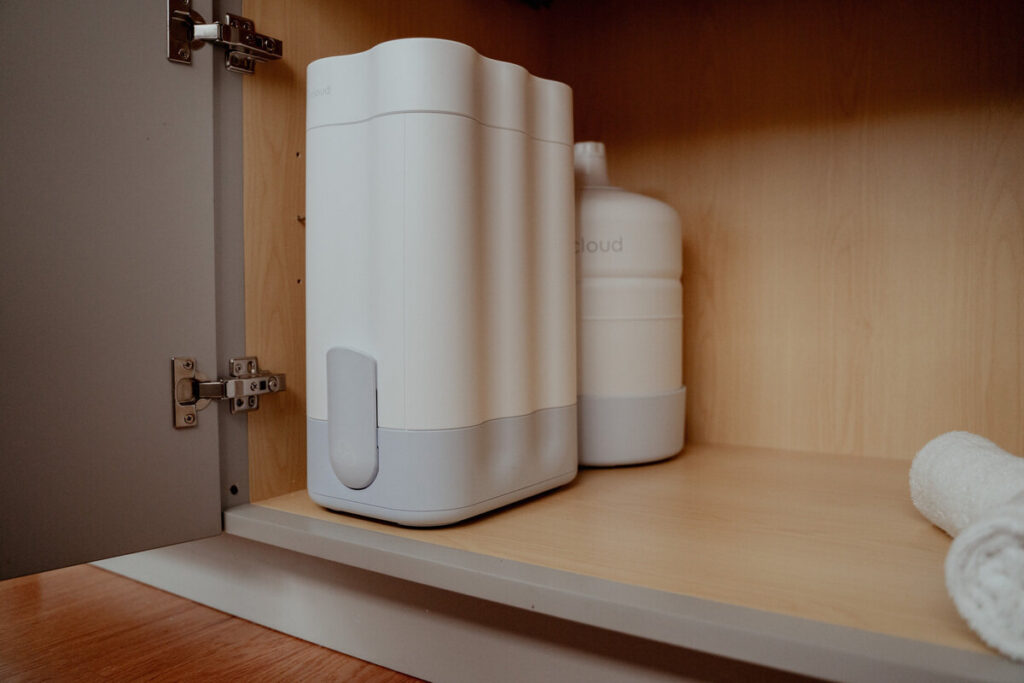
Cloud Water Filters sells a range of whole-house filtration systems designed to tackle everything from chlorine taste to hard water mineral buildup. Their catalog includes basic sediment filters, carbon-based systems for chlorine and odor reduction, and combo units that pair filtration with water softening. The company markets itself toward everyday homeowners rather than commercial buyers, which shows in how they frame their product descriptions: less technical jargon, more plain-language explanations of what each system actually removes from your water.
The target customer here seems to be someone who’s tired of buying bottled water, dealing with scaly showerheads, or noticing a chlorine smell every time they run the tap. Cloud Water Filters doesn’t try to be the premium, luxury-tier brand in this space. Instead, it occupies a middle ground where the systems are affordable enough for most budgets but still use legitimate filtration media rather than gimmicky components that don’t hold up over time.
Filter Technology and Contaminant Reduction
The filtration stages Cloud Water Filters uses are fairly standard across the industry: sediment pre-filters to catch larger particles, activated carbon to reduce chlorine taste and odor, and in some models, a resin-based softening stage for hard water. None of this is revolutionary, but it’s proven tech that works when installed and maintained correctly. User feedback suggests the carbon filtration does a decent job of eliminating that swimming-pool smell some municipal water leaves behind, which is often the biggest complaint driving people to buy a system in the first place.
Where things get more mixed is with harder water problems. Some buyers with particularly mineral-heavy water report needing to upgrade to a more robust softening system after starting with a basic unit, which suggests the entry-level products might undersell how tough certain regional water conditions really are. It’s not a dealbreaker, but it’s worth checking your water hardness levels before committing to the cheapest option in their lineup.

Installation and Real-World Setup
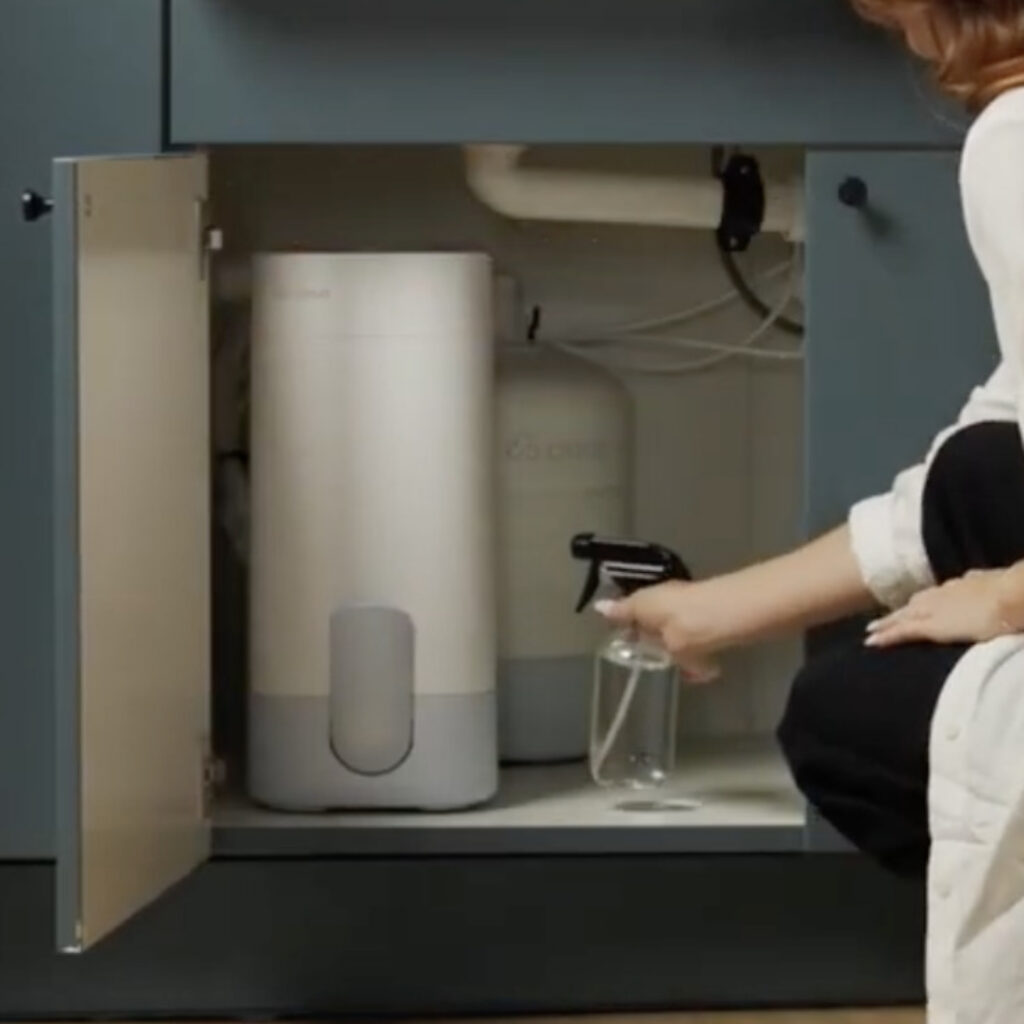
One of the selling points Cloud Water Filters leans on is DIY-friendly installation, and for the most part, that holds up. Their systems typically come with instructions that don’t require a plumbing degree to follow, and many users report completing installation in an afternoon with basic tools. This is a real advantage over systems that essentially force you to hire a professional, adding hundreds of dollars to the total cost before the filter even starts working.
That said, “DIY-friendly” doesn’t mean “effortless” for everyone. Homes with unusual plumbing configurations, older pipe materials, or tight crawl spaces can turn a simple installation into a frustrating weekend project. Some users mention needing extra fittings or adapters not included in the box, which is a minor but annoying gap in an otherwise straightforward setup process. If you’re not comfortable with basic plumbing tasks like shutting off your main water line or connecting PVC fittings, budgeting for a professional install is a smart move even if the company markets it as unnecessary.
Maintenance and Filter Replacement
Ongoing maintenance is where a lot of water filtration systems either win or lose long-term customers, and Cloud Water Filters seems to land in a reasonable middle spot. Filter replacement schedules vary by model, but most systems recommend swapping cartridges every three to six months depending on water usage and quality. The replacement filters are priced competitively compared to name-brand alternatives sold at hardware stores, which helps offset the ongoing cost of ownership.
The company also sells filters in bundle packs, which is a smart move for anyone trying to reduce the hassle of reordering every few months. A few users note that missing a replacement window causes a noticeable dip in water quality, particularly a return of chlorine taste, so this isn’t a “set it and forget it” system in the way some premium brands market themselves. Staying on top of the maintenance schedule really does matter here.
Pricing and Value Comparison
Cloud Water Filters sits comfortably in the mid-range price tier, undercutting big-name competitors while still charging more than the cheapest off-brand options you’ll find scrolling through online marketplaces. Entry-level sediment and carbon systems start at a price point accessible to most homeowners, while the combo softening units cost more but still remain competitive against comparable systems from larger, more established brands.
Value here really depends on what problem you’re solving. If you just want to eliminate chlorine taste and improve general water clarity, the lower-tier systems deliver solid results for the price. If you’re dealing with genuinely hard water that’s damaging appliances or leaving mineral deposits everywhere, you might need to invest in their higher-tier softening systems, and at that point, the pricing gap between Cloud Water Filters and premium competitors starts to shrink. It’s worth doing the math on your specific water situation before assuming the cheapest option will solve your problem.
Who Should Buy This and Who Shouldn’t
Cloud Water Filters makes the most sense for homeowners with moderate water quality issues who want a reasonably priced, DIY-installable system without the premium markup of bigger brand names. If your main complaints are chlorine smell, minor sediment, or general water taste, their entry-level and mid-tier systems should handle those problems without breaking the bank.
On the other hand, if you’re dealing with severe hard water, high iron content, or other region-specific contamination issues, you may need a more specialized system than what Cloud Water Filters typically offers. Renters or people in apartments also probably aren’t the target audience here, since whole-house systems require ownership of the plumbing infrastructure you’re modifying. Anyone expecting a completely hands-off, install-and-ignore experience should also temper expectations, since regular filter changes are non-negotiable for consistent performance.
Bottom Line
Cloud Water Filters delivers a competent, budget-conscious option in a market often crowded with overpriced systems and confusing technical claims. The filtration technology is proven rather than groundbreaking, installation is genuinely manageable for most DIY-inclined homeowners, and pricing remains fair compared to bigger name competitors. The tradeoff is that buyers with more severe water quality issues may need to upgrade beyond the entry-level systems to get the results they’re actually looking for.
The bigger takeaway is that no filtration brand, including this one, replaces the need to actually test your water before buying anything. Understanding your specific hardness levels, contaminant profile, and household water usage will do more to guide the right purchase than any product page ever could. So the open question worth sitting with is this: have you actually tested your water lately, or are you buying a filter based on guesswork?
Frequently Asked Questions
Is Cloud Water Filters a legitimate company?
Yes, Cloud Water Filters operates as a direct-to-consumer brand selling functional whole-house filtration systems using standard, proven filtration technology. Their product specs and filtration stages align with industry norms, and customer feedback generally supports genuine performance rather than gimmicky claims.
How long does installation typically take?
Most users report completing installation within a few hours to an afternoon, assuming basic plumbing comfort and standard pipe configurations. Homes with unusual layouts or older plumbing may take longer or require additional fittings not included in the base package.
Do I need a plumber to install these systems?
Not necessarily, since the systems are designed for DIY installation with basic tools. However, if you’re uncomfortable working with your main water line or lack basic plumbing experience, hiring a professional is a reasonable and often recommended precaution.
How often do filters need replacing?
Filter replacement schedules typically range from three to six months depending on the specific model, your water usage, and local water quality. Skipping replacements tends to result in reduced filtration performance, particularly a return of chlorine taste or odor.
Will this fix hard water problems?
Basic filtration systems focus primarily on sediment and chlorine reduction rather than water softening. If hard water is your main concern, you’ll want to look specifically at their combo softening units rather than entry-level filters.
Is this cheaper than big-box store water filters?
Generally yes, Cloud Water Filters tends to undercut major retail brands while using comparable filtration technology. That said, the cheapest off-brand options on online marketplaces may still beat their pricing, though often with less reliable quality control.
Can renters use these systems?
Whole-house systems require modifying your home’s main water line, which usually isn’t feasible or appropriate for renters without landlord approval. Renters looking for filtration solutions are typically better served by countertop or faucet-mounted filters instead.
Does the company offer a warranty or guarantee?
Cloud Water Filters typically includes standard manufacturer warranties on their systems, though specific terms vary by product line. It’s worth checking the current warranty details on individual product pages before purchasing, since coverage can change over time.