

Anker SOLIX E10 (Power Module + 2x Battery) + Power Dock
$7,799.00
TLDR
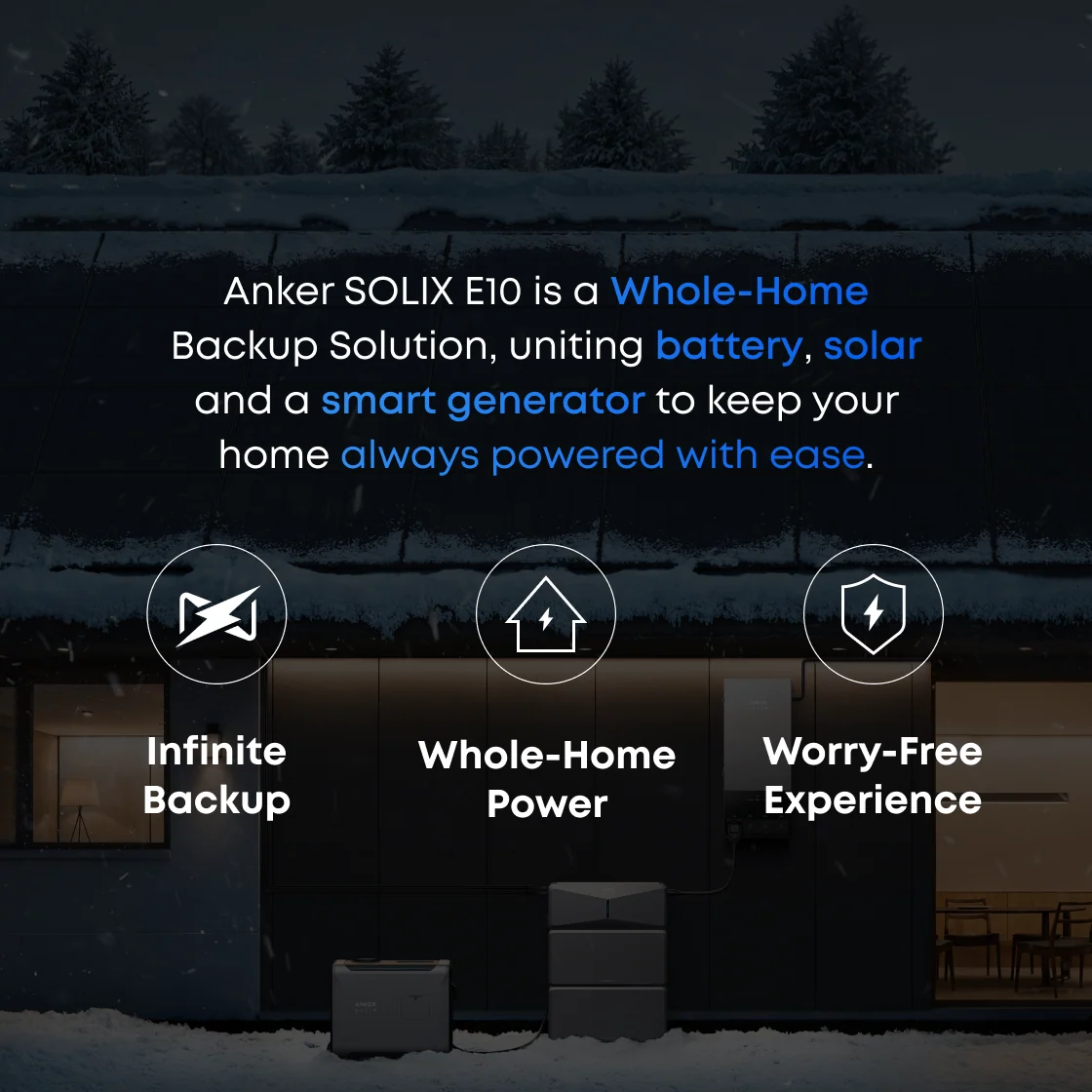
The Anker SOLIX E10 (Power Module + 2x Battery) + Power Dock is a legitimate whole-home backup system built for homeowners who want automatic, seamless power protection rather than a loud generator in the driveway.
- What it is: a hybrid battery, solar, and generator-ready backup system paired with an automatic transfer-capable Power Dock
- Who it’s for: homeowners wanting whole-home (not partial) backup with solar integration and smart load management
- Top strength: seamless switchover in under 20ms with 10kW turbo output and 5-ton AC starting capability
- Main limitation: at $7,799 before installation costs, this is a significant investment compared to simpler battery backup kits
- Quick verdict: if you’ve been stung by outages and want a set-it-and-forget-it solution, this bundle checks the right boxes
Introduction
Power outages have a way of exposing exactly how unprepared most homes are. A fridge full of spoiled food, a sump pump that stops mid-storm, or a central AC that won’t start back up are the kinds of problems that push people toward backup power in the first place. The usual answer has been a gas generator, which means noise, fuel runs, and a manual switch that someone has to remember to flip during a blackout.
The Anker SOLIX E10 bundle reviewed here, the Power Module plus two B6000 batteries plus a Power Dock, is positioned as an answer to that specific frustration. It’s marketed as the “Automatic Backup Kit,” meaning it’s built to switch over without anyone touching a breaker. The question worth asking is whether the extra cost of the Power Dock and second battery actually buys meaningfully better protection, or whether it’s overkill for most households. Based on the manufacturer’s own specs and the published customer reviews, there’s a case to be made either way depending on how much of your home you actually want covered.

Photo: Anker SOLIX
What It Is and Who It’s For
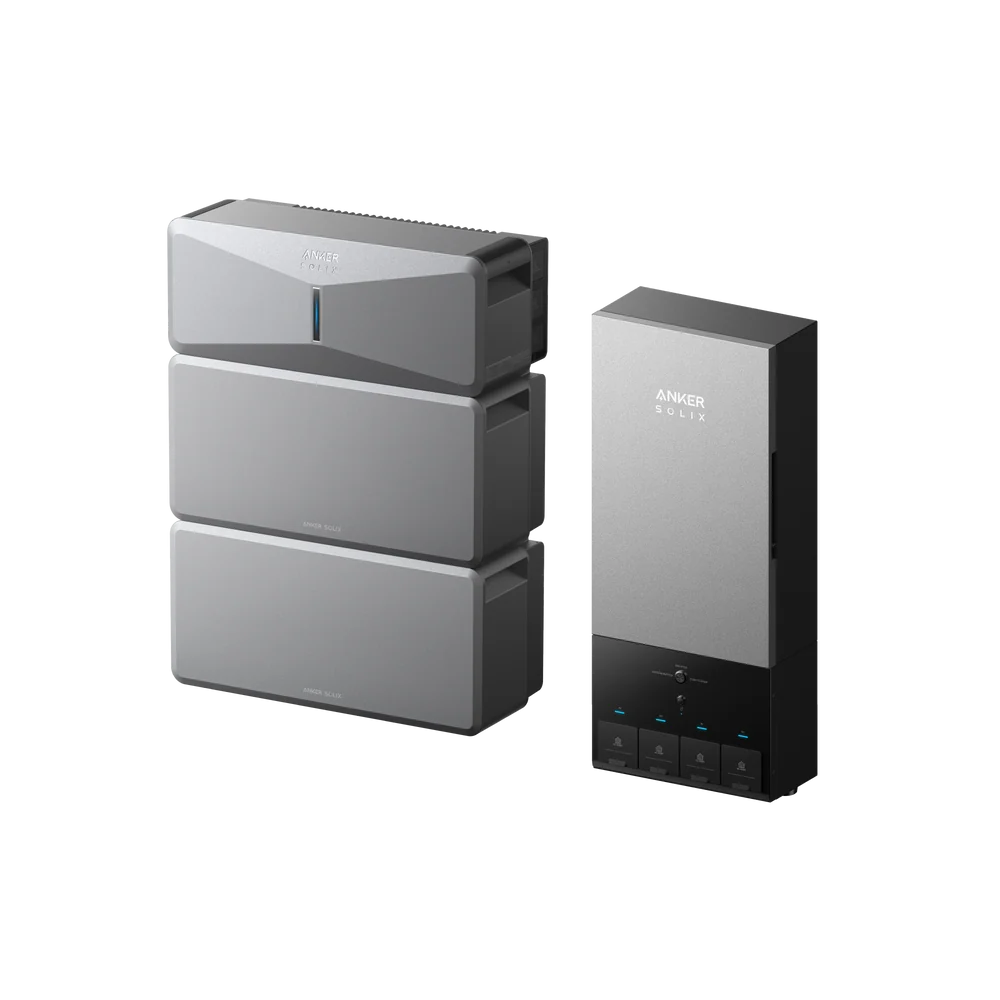
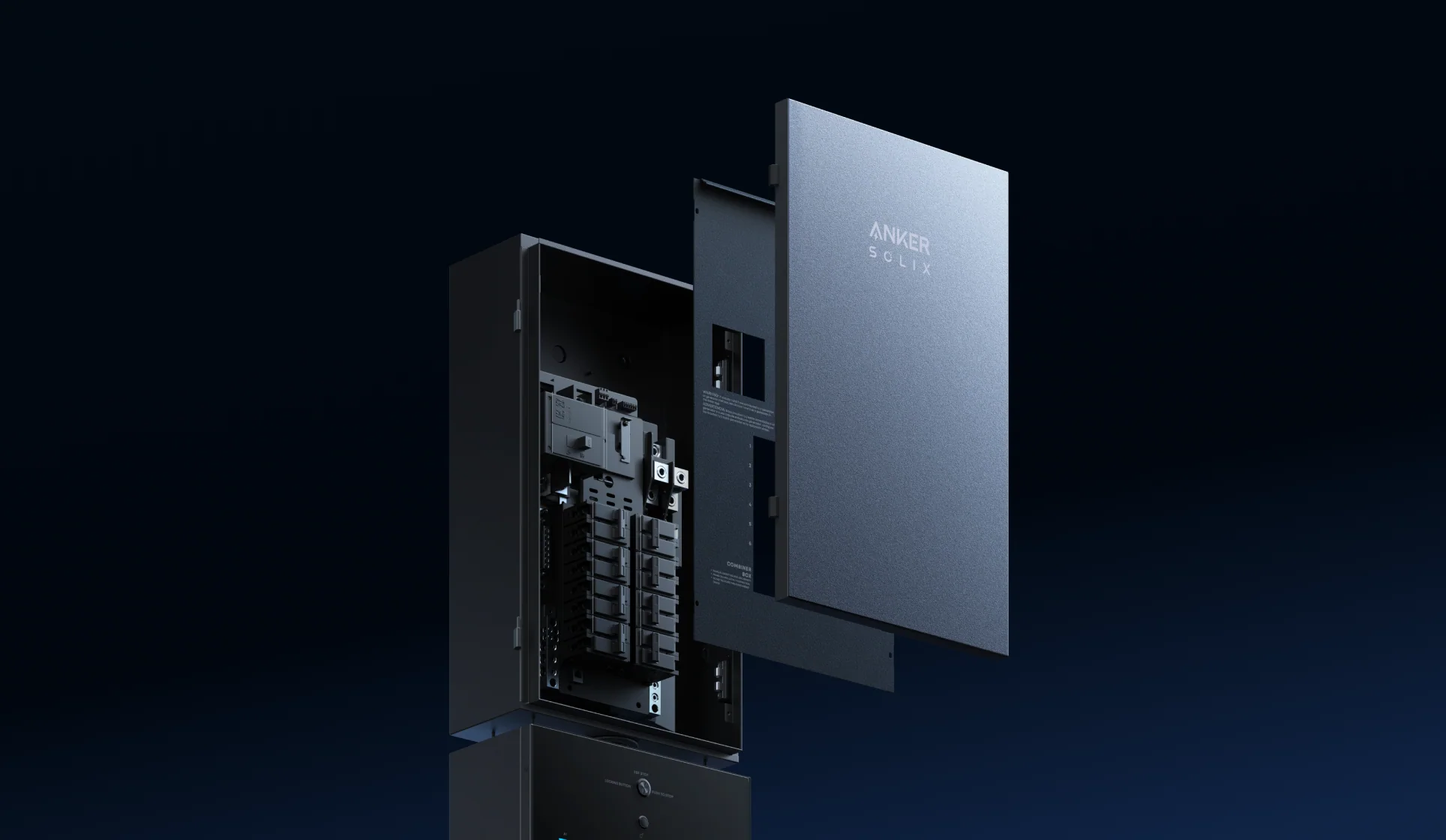
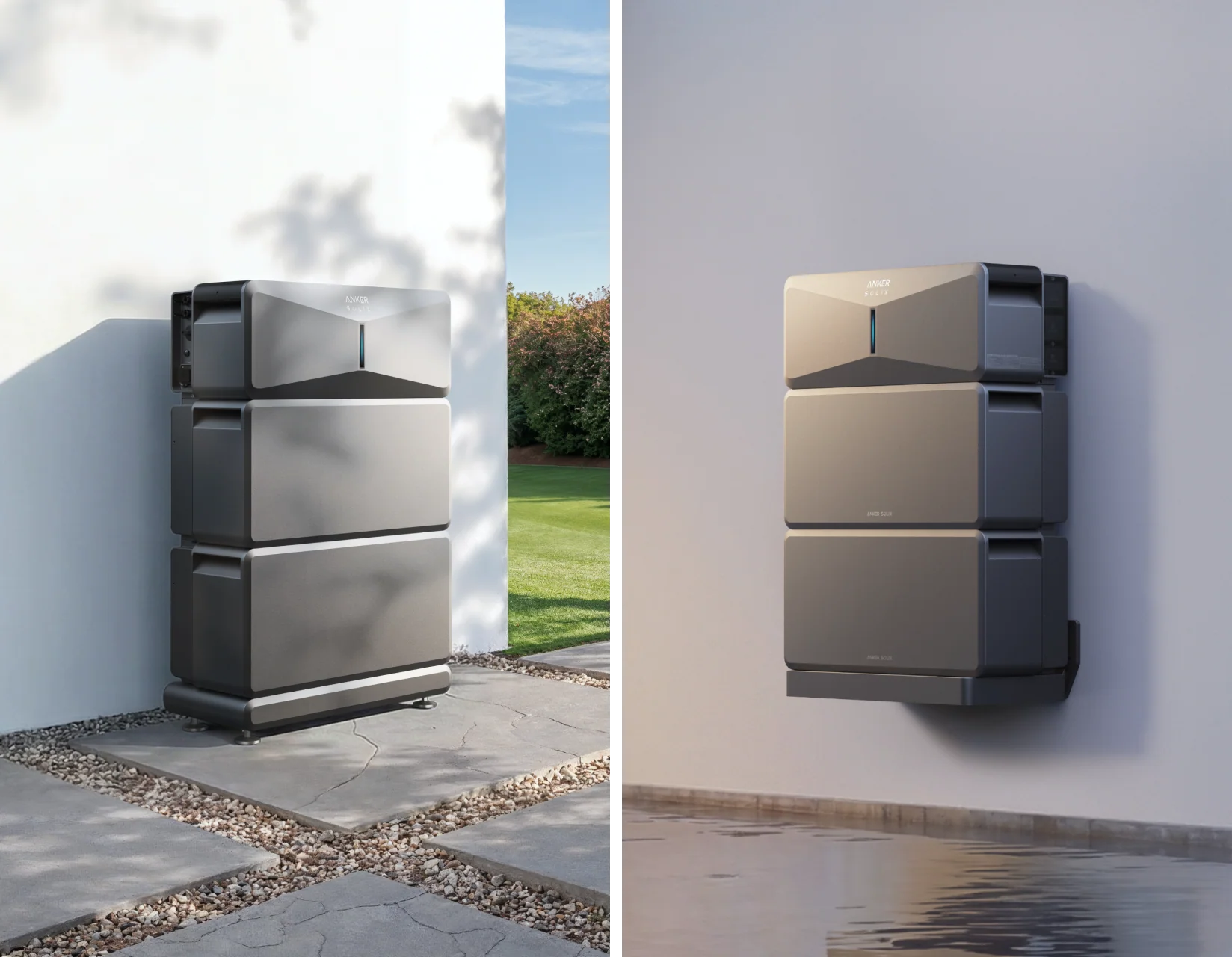
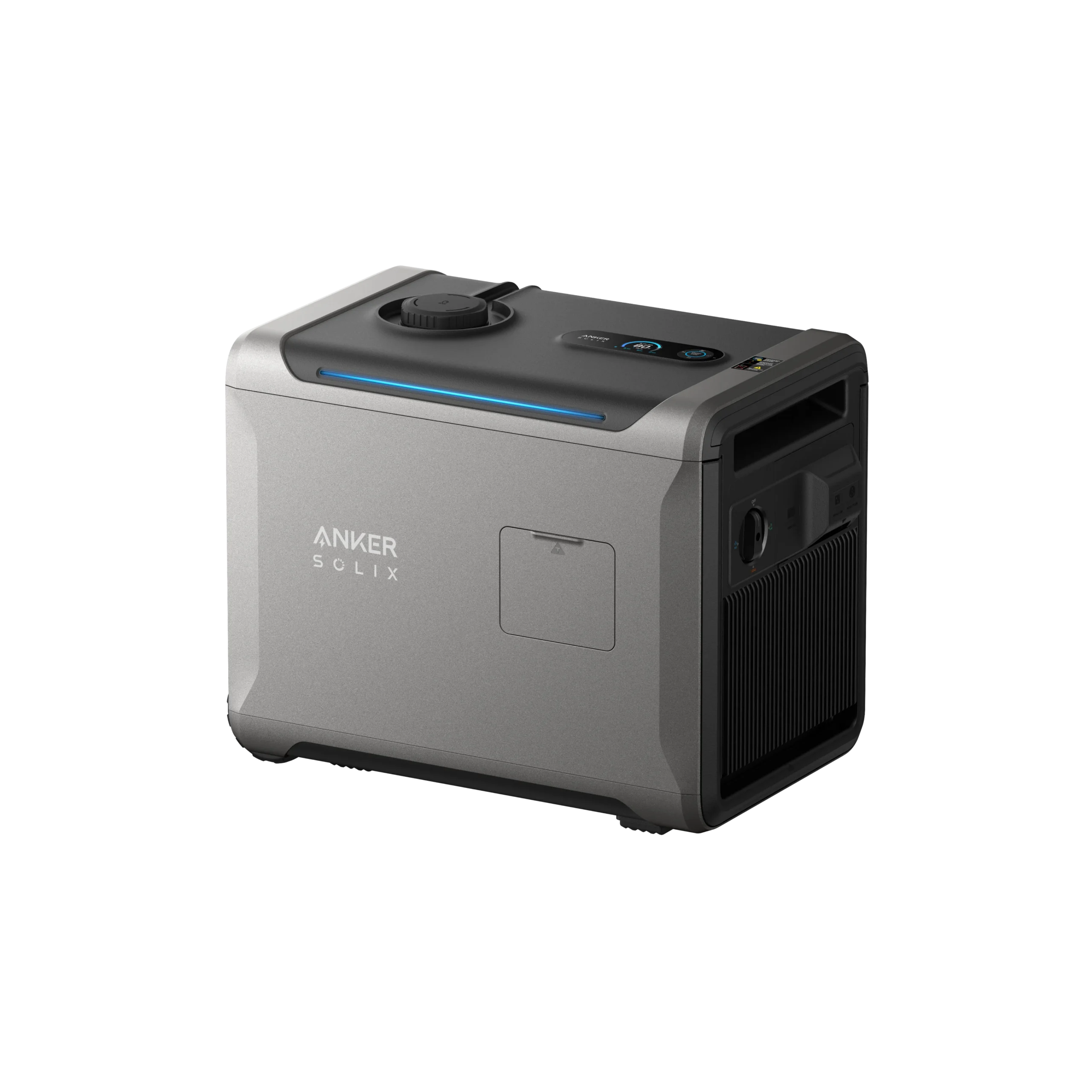
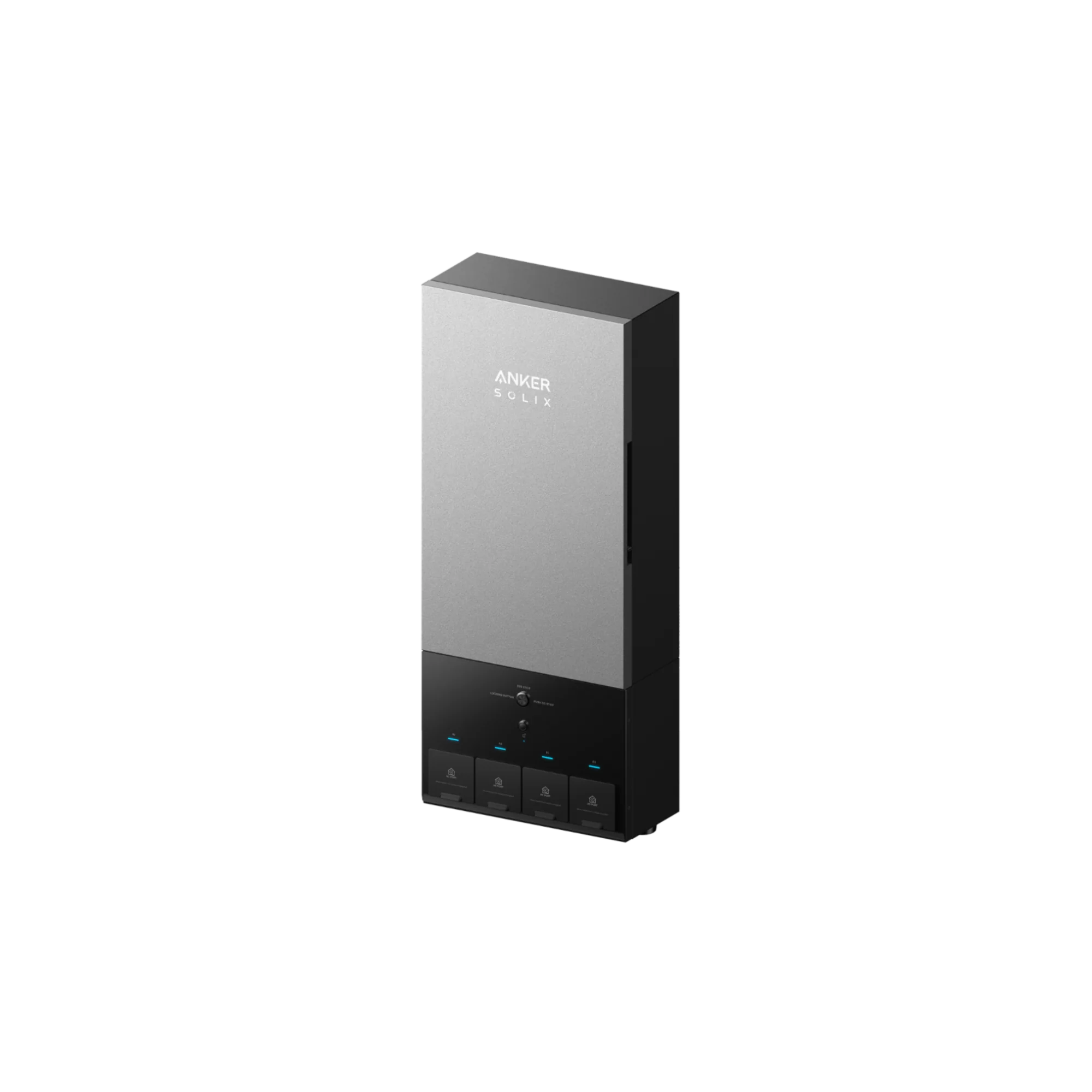
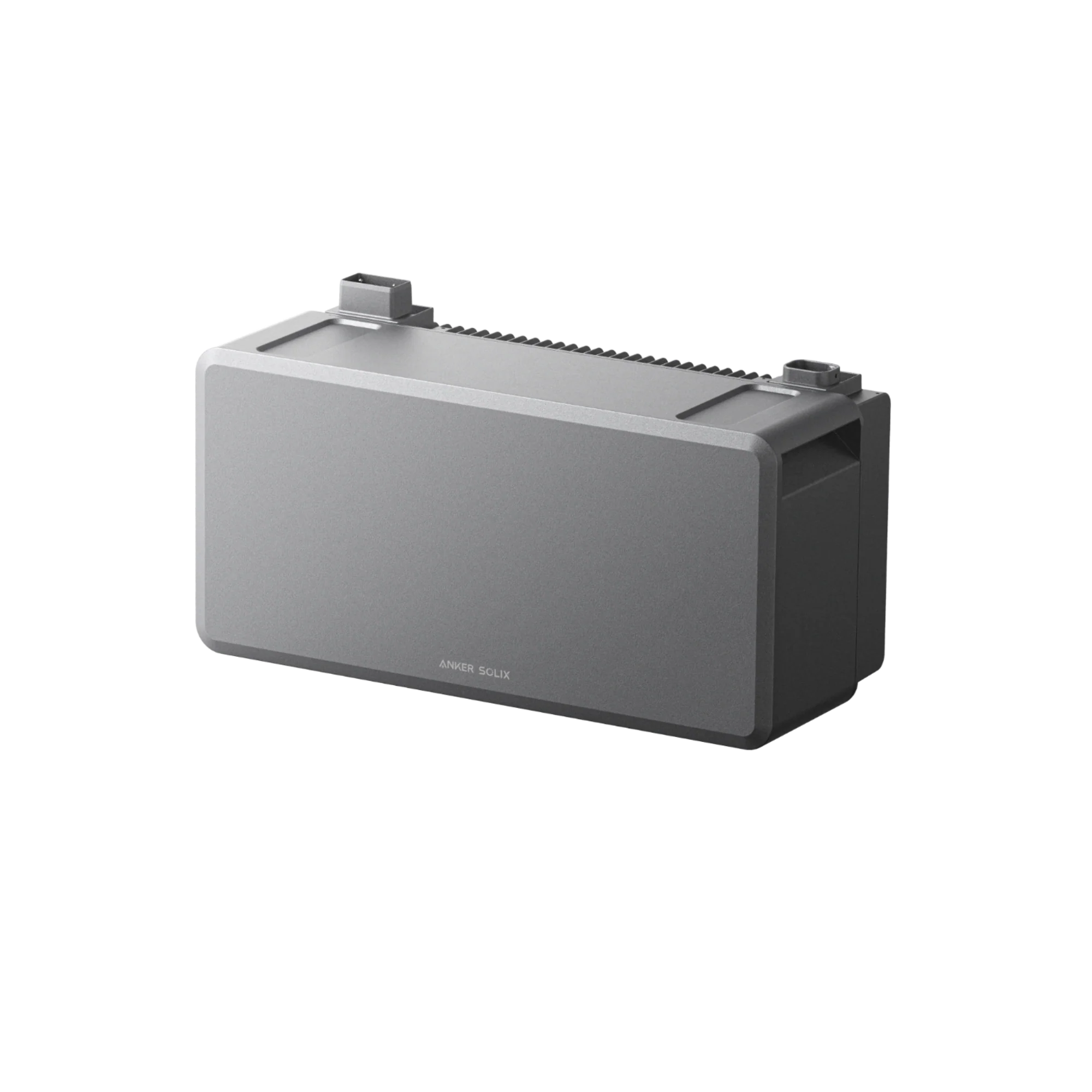
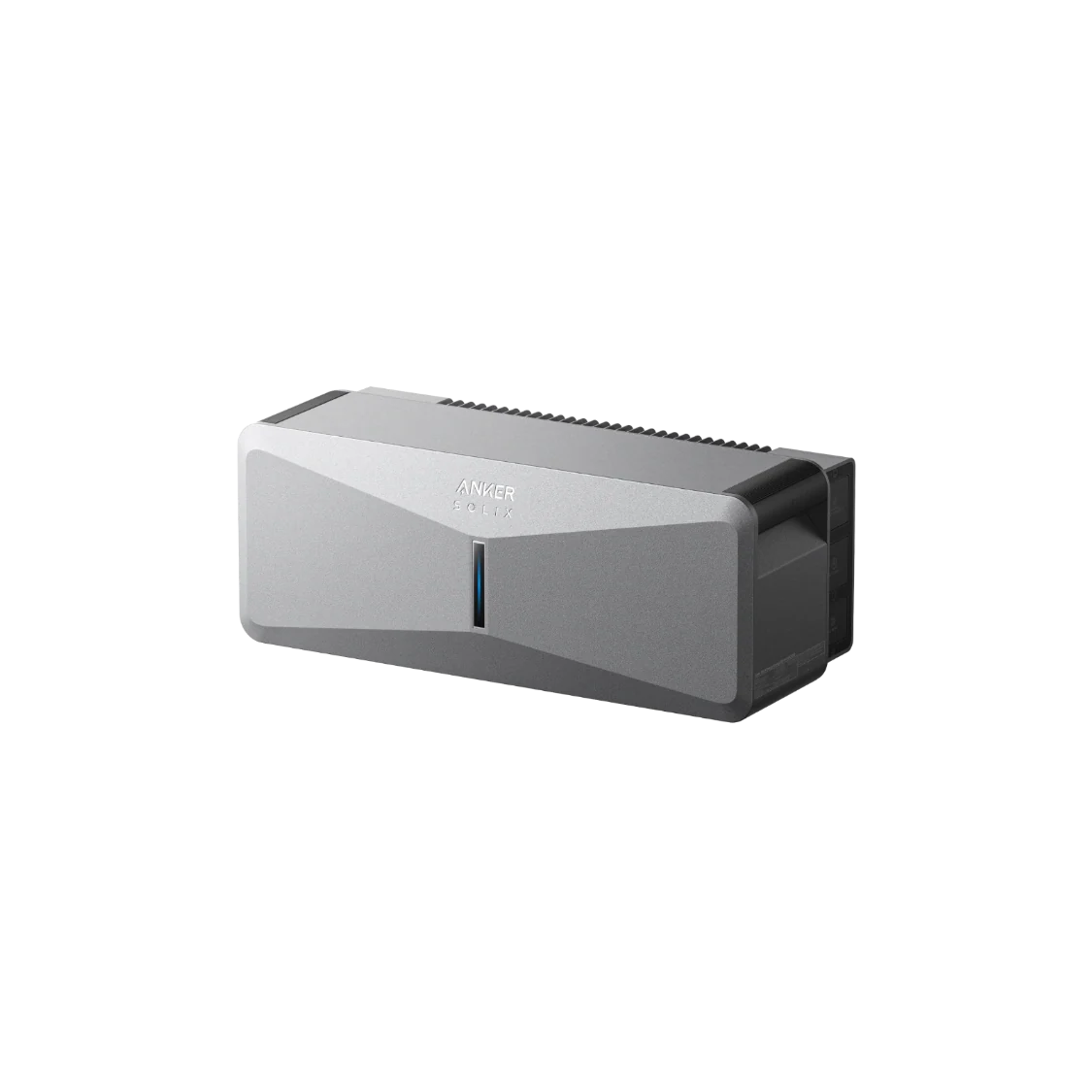
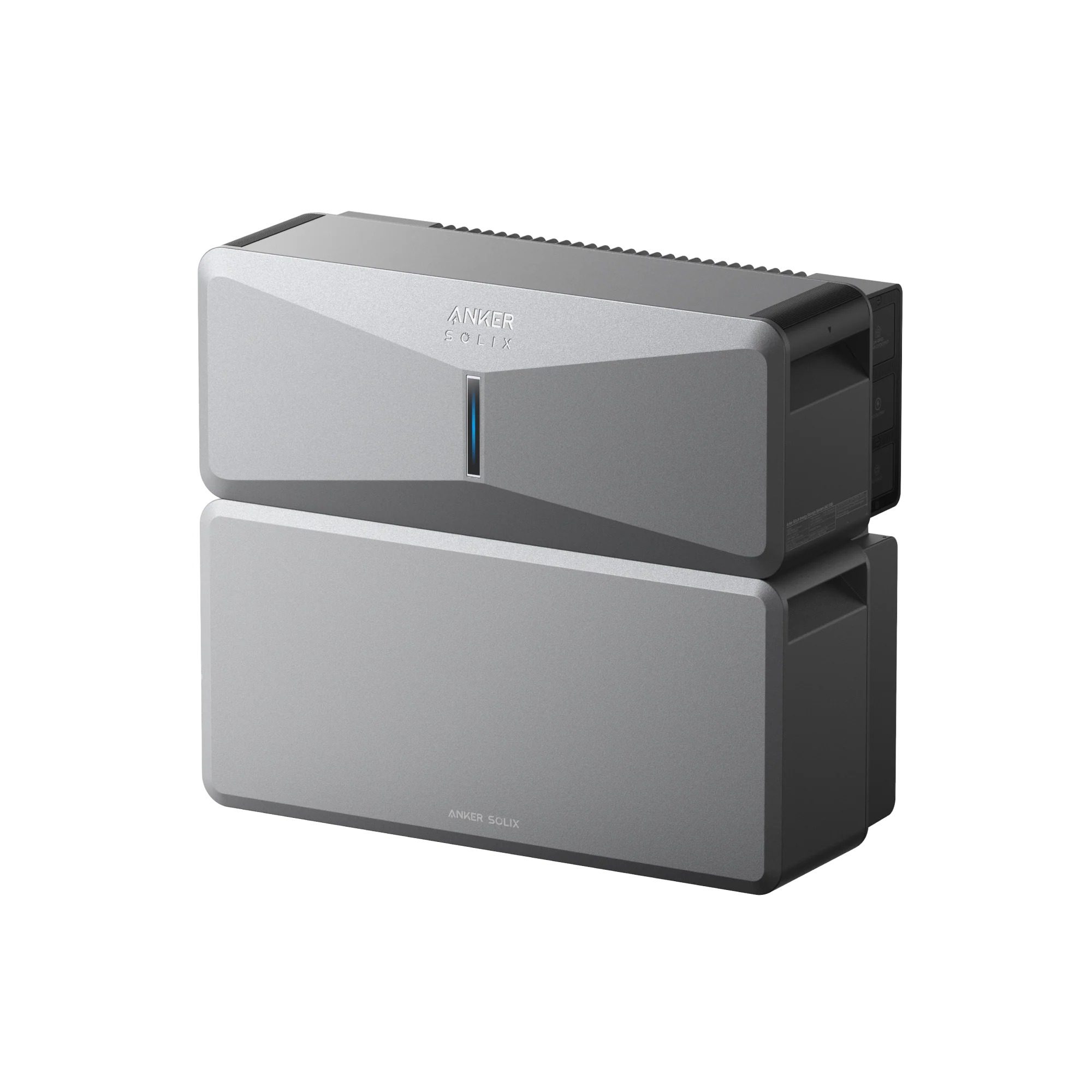
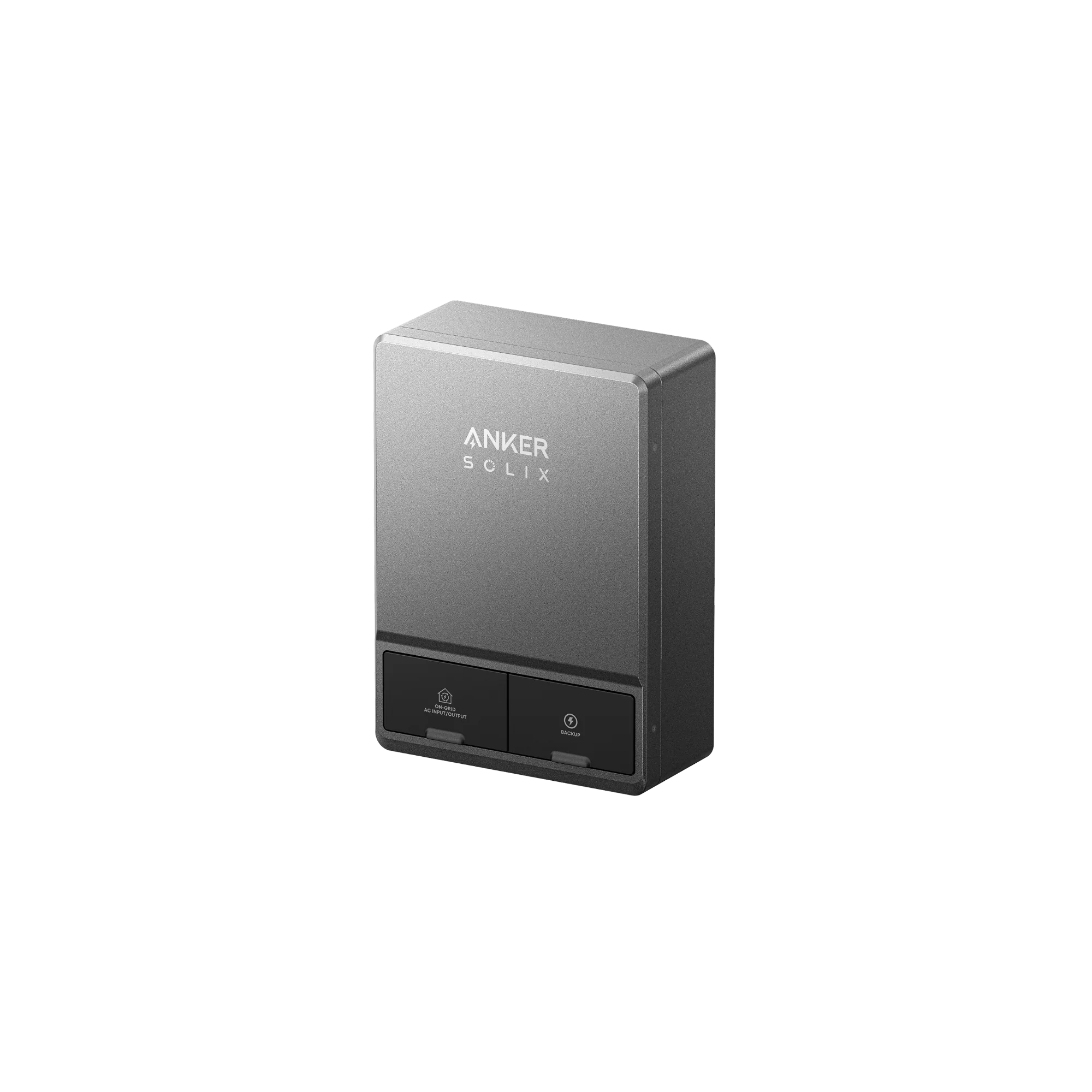
This specific configuration pairs one E10 Power Module with two B6000 battery modules (12kWh combined) and a Power Dock, which is the automatic transfer component that connects the system to your home’s electrical panel. According to Anker, the Power Dock supports a 200A service entry for true whole-home backup, as opposed to partial backup systems that only cover select circuits. That distinction matters a lot if the goal is to keep an entire house running, including a central air conditioner, rather than just a few outlets and the fridge.
The target buyer here is someone who has already decided that partial backup isn’t enough. Anker’s own comparison chart puts this system against a smaller indoor unit with a Home Power Panel, and the E10 with Power Dock wins on solar input range (9-27kW vs 3.2-6.4kW), battery capacity ceiling (up to 90kWh vs 53.8kWh), and starting capability (155-275A vs 80A). If none of that matters to you because you just want a laptop and a lamp running during an outage, this is probably more system than you need.
Key Features Worth Knowing
The headline feature is the sub-20ms automatic switchover, which Anker contrasts against traditional generators that take 10 to 30 seconds to kick in. That gap matters for sensitive electronics and for avoiding the flicker-and-reboot cycle that can damage equipment. The system is also rated to start a 5-ton central air conditioner, requiring between 22.8kW and 66kW of surge power depending on configuration, which is a common sticking point for cheaper backup systems that can run lights fine but choke the moment compressors kick on.
Output power scales with how many battery modules are attached. With a single battery, continuous output tops out at 7.6kW. Add a second battery, and the system can push 10kW for up to 90 minutes in turbo mode. Since this bundle includes two batteries, buyers are getting the higher output tier out of the box rather than needing to add hardware later. Solar input is rated at two channels of 4,500W each (30-450V), and the generator input accepts up to 4,500W DC, so there’s room to layer in solar panels or a compatible generator without replacing the core unit.
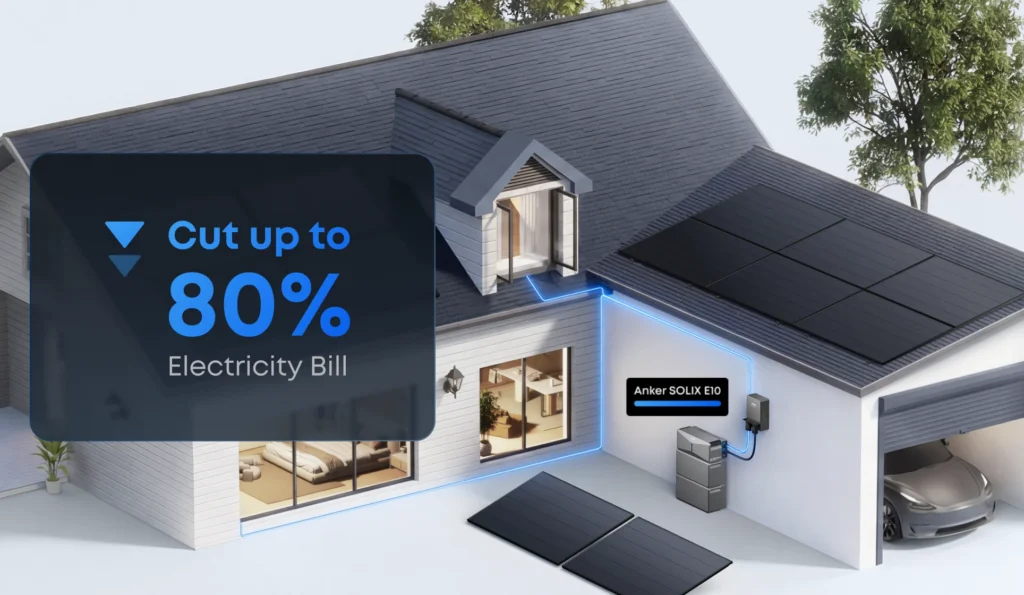
Photo: Anker SOLIX
Build Quality and Weather Resistance
The E10 Power Module carries a NEMA Type 4 (IP66) rating, meaning Anker is comfortable with it being installed outdoors long-term, including in wet or coastal conditions. The Power Dock itself is rated NEMA 3R. Operating temperature range is listed from -4°F to 131°F, which covers most climates in the continental US without extra enclosures. Each power module weighs 60.6 lb and each battery module weighs 130 lb, so wall mounting versus floor mounting is a real decision that depends on wall load capacity, not just preference.
One detail that stood out in the FAQ section is that the system requires a professional electrician for the Power Dock and main grid connection, but homeowners can add battery modules themselves afterward. That’s a reasonable middle ground. It keeps the safety-critical work in professional hands while letting owners expand storage capacity without paying for another service call every time they want more runtime.
Real-World Experience and Pricing
Customer reviews on the product page average 4.96 out of 5 across 48 reviews, with comments frequently mentioning easy installation and the system living up to its whole-home backup promise once the Power Dock is in place. Several reviewers specifically called out pairing the E10 with extra batteries to stretch runtime through longer outages, and one reviewer in South Texas mentioned getting enough stored power to cover AC use from sunset through evening hours using solar charging during the day.
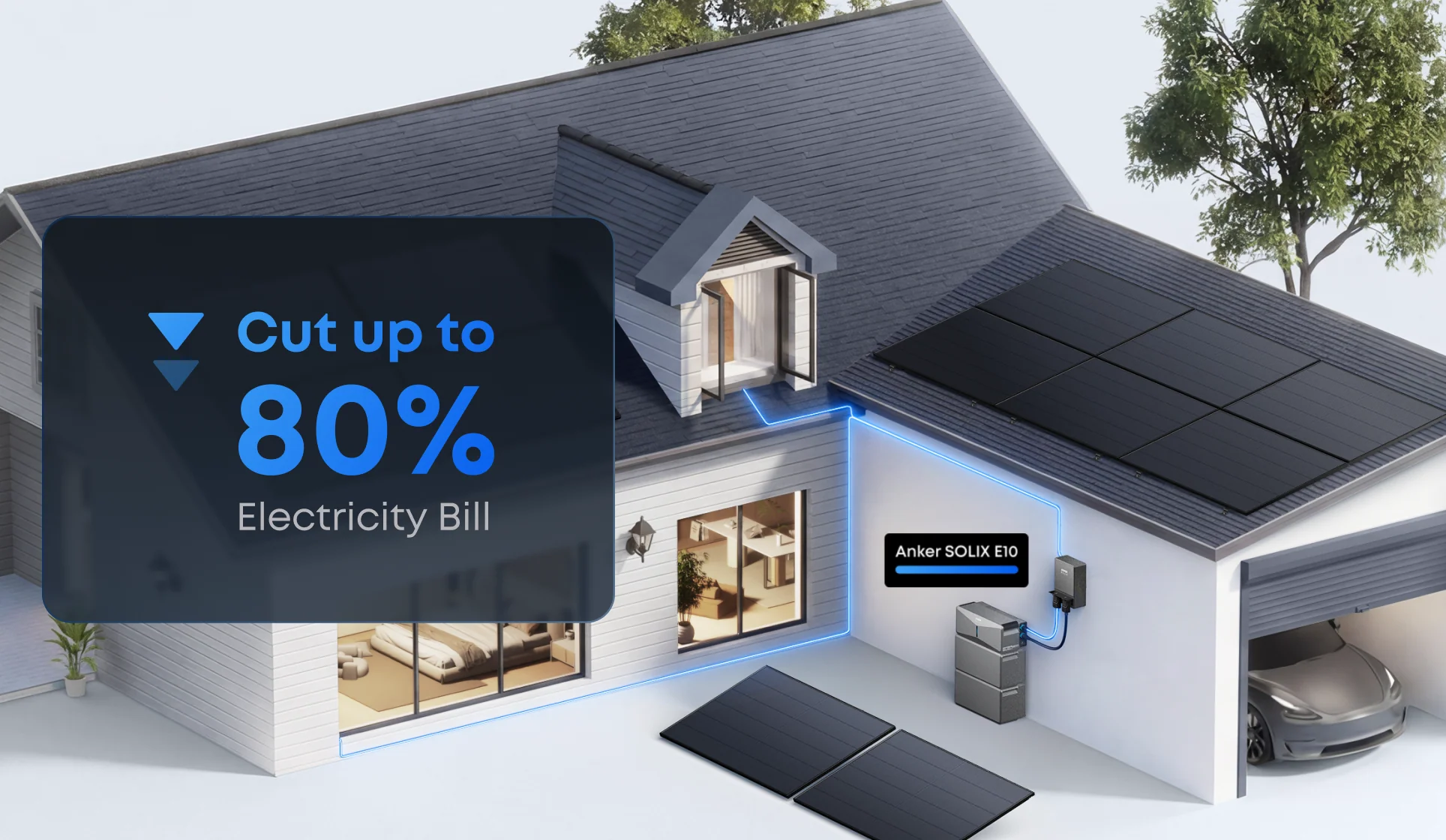
On pricing, this bundle sits at $7,799, which is notably more than the Starter Kit ($4,299 for Power Module plus one battery) or the Manual Backup Kit with a Smart Inlet Box ($6,599 for Power Module plus two batteries). The price jump buys automatic switching instead of manual intervention during an outage, plus the 200A whole-home capacity instead of a more limited manual setup. Anker also claims the combined solar and time-of-use features can cut electricity bills by up to 80%, though actual savings will vary by household energy use and local utility rates.
Who Should Look Elsewhere
Anyone who only needs backup for a handful of circuits, like a fridge, some lights, and a router, will likely find this bundle more expensive and more complex than necessary. The Manual Backup Kit or even the base Starter Kit would cover that use case for considerably less money. Similarly, if your home doesn’t have a central AC system or other high-draw appliances, the extra surge capacity this configuration offers may go unused.
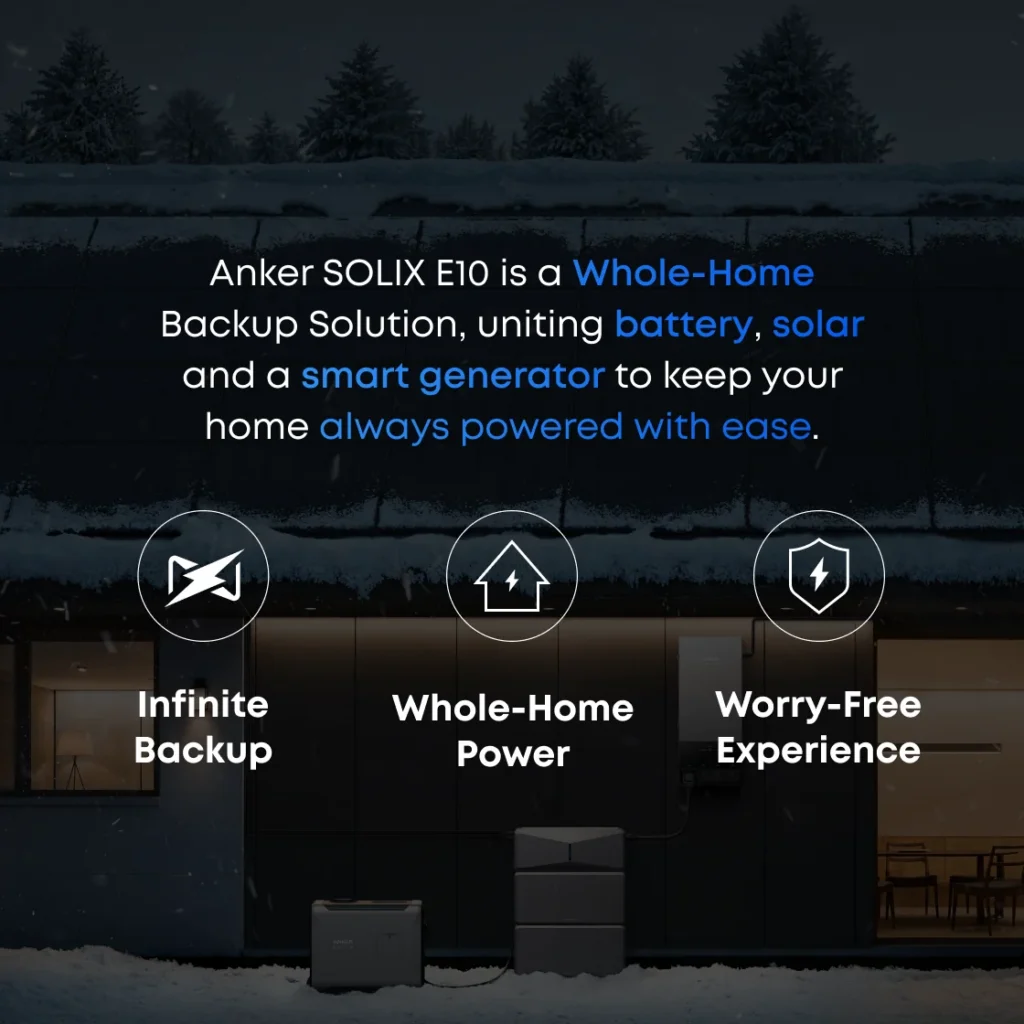
Photo: Anker SOLIX
Bottom Line
The Anker SOLIX E10 with two batteries and a Power Dock is built for homeowners who want their entire house protected automatically, not just a few critical circuits running on battery power. The combination of fast switchover speed, strong AC starting capability, and flexible solar and generator input makes it a credible alternative to a standalone standby generator, especially for anyone tired of noise and fuel management. The 5-year warranty on the power and battery modules, backed by a 10-year warranty on the Power Dock, suggests Anker expects this hardware to stick around for a while.
Whether it’s worth the nearly $8,000 price tag comes down to how much of your home you actually need covered and how often outages hit your area. For households in storm-prone or grid-unstable regions with central air conditioning to protect, the math leans favorable. For everyone else, it might be worth asking: do you need whole-home backup, or would a smaller, cheaper setup handle the outages you actually experience?
Frequently Asked Questions
What’s included in this specific E10 bundle?
This configuration includes one E10 Power Module, two B6000 battery modules (12kWh total), and a Power Dock. It also comes with a fixed bracket, charging cables, an on-grid cable, three current transformers, and a marking template for installation.
How much power can this system handle?
With two battery modules installed, the system delivers up to 10,000W of turbo output for 90 minutes, or 7,680W continuously. It can also provide surge power in the 22.8kW to 66kW range, enough to start a 5-ton central air conditioner.
Does this system require professional installation?
Yes, a licensed electrician is required to install the Power Dock and connect it to your home’s main electrical panel. Once that foundation is set up, homeowners can add additional battery modules themselves without further professional help.
Can the E10 be installed outdoors?
Yes, the Power Module carries a NEMA Type 4 (IP66) rating suitable for long-term outdoor use, including wet or coastal environments. The Power Dock is rated NEMA 3R, and both can operate in temperatures from -4°F to 131°F.
Does this system send power back to the grid?
No, neither the E10 Power Module nor the Power Dock feeds electricity back to the utility grid. They are designed strictly for backup power and self-consumption use.
How many batteries and solar panels can I add later?
The system supports up to five battery modules per Power Module, each adding 6.144kWh of capacity, for a theoretical maximum of 90kWh with multiple units. It also accepts up to two solar inputs rated at 4,500W each.
What’s the warranty coverage?
The Power Module and battery modules carry a 5-year standard warranty. The Power Dock and Smart Inlet Box come with a 10-year warranty, while the optional Smart Generator carries a 3-year warranty.
How does this compare to a smaller backup panel system?
According to Anker’s own comparison chart, this E10 and Power Dock setup supports a 200A whole-home service entry versus 100A partial backup on smaller systems, plus higher solar input, higher battery capacity ceiling, and stronger surge starting capability for large appliances.