Updated on September 25, 2026
TLDR
Happy Being is a caffeine-free white tea drink built around inflammation support and gut-friendly ingredients, and it delivers on flavor without overselling the science.
- What it is: a canned white tea beverage line infused with turmeric, elderberry, and antioxidant compounds like EGCG and pterostilbene
- Who it’s for: people looking for a low-sugar, low-calorie alternative to soda or energy drinks who still want some functional benefits
- Top strength: wide flavor lineup (nine options) available in both still and sparkling formats
- Main limitation: benefits like “calming inflammation” are described in general wellness language rather than backed by specific clinical data on the site
- Quick verdict: a reasonable daily sipping habit if you like the flavors and want to cut back on sugary drinks, though the health claims deserve a healthy dose of skepticism
Jump to:
- TLDR
- Introduction
- What Happy Being Is and Who It’s For
- Flavor Lineup and Format Options
- Pricing and Value
- Who Should Look Elsewhere
- Bottom Line
- Frequently Asked Questions
- Is Happy Being caffeinated?
- Does Happy Being contain common allergens?
- How much sugar and how many calories are in each can?
- What flavors does Happy Being offer?
- What is the difference between still and sparkling versions?
- Can I subscribe to Happy Being instead of buying one-time?
- What is Happy Being’s return policy?
- Why does Happy Being use white tea specifically?
- Does Happy Being ship for free?
Introduction
Walk down any grocery aisle and you’ll find a dozen “wellness drinks” promising to fix your gut, calm your inflammation, and boost your mood, usually with a price tag to match the ambition. Most people have grown tired of sorting through the noise to figure out which ones are worth the money and which ones are just sugar water with a clever label. Happy Being enters this crowded space with a white tea base, a short list of active ingredients, and a pitch that centers on cellular-level wellness delivered through something you’d actually want to drink.
The real question is whether a canned tea with turmeric and elderberry can live up to that pitch, or whether it’s just another feel-good branding exercise. Based on what the company shares about its formula, ingredient sourcing, and customer feedback, there’s enough here to take a closer look at what you’re actually getting for your money.
What Happy Being Is and Who It’s For
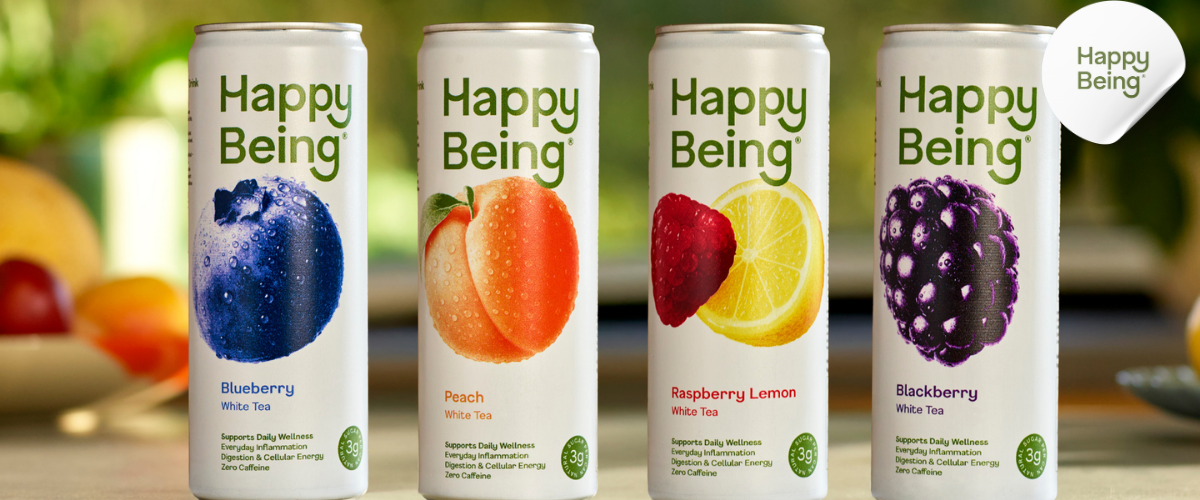
Happy Being is a line of canned beverages built on white tea, which the brand describes as the least processed tea variety, picked young and minimally handled to preserve its natural compounds. The pitch is that white tea contains higher levels of EGCG (Epigallocatechin Gallate) than green tea, along with a stronger antioxidant profile and less caffeine, all while being gentler on digestion. Each can reportedly contains 20 calories, 3 grams of naturally occurring sugar, and minimal carbs, positioning it as a lighter alternative to soda, juice, or traditional energy drinks.
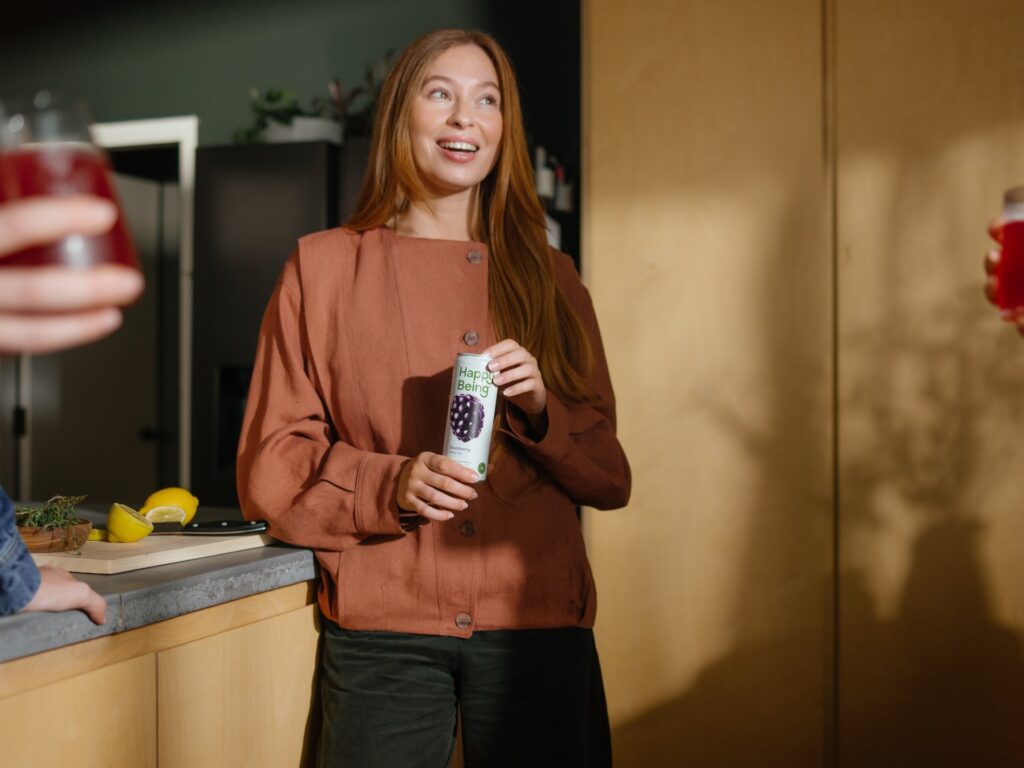
The target audience seems to be people who already lean toward wellness habits but want something more enjoyable than plain water or unsweetened tea. Customer testimonials on the site mention things like steady energy without a caffeine crash, relief from daily inflammation, and using the drink as part of a morning routine. Whether you fit into that group depends on how much you value flavor variety alongside functional ingredients, since Happy Being clearly wants to be both a treat and a supplement in a can.
Key Ingredients and What They’re Supposed to Do
The formula centers on a handful of named compounds. Turmeric is included for inflammation support, described as a golden spice with calming properties. Pterostilbene, sourced from blueberries, is marketed as a brain-supporting antioxidant. EGCG from the white tea itself is positioned as the star player for cellular protection. Elderberry rounds out the immune-support angle, and Vitamin C is added at 100% of the recommended daily value.
None of these ingredients are unusual in the wellness drink space, and the descriptions provided lean more toward general wellness language than specific dosages or clinical study references. That doesn’t necessarily mean the ingredients don’t work, but it does mean shoppers should treat phrases like “calms everyday inflammation” as a general wellness claim rather than a medical guarantee. If you’re the type who wants peer-reviewed citations before adding something to your routine, you may want to do additional outside research before committing to a subscription.
Flavor Lineup and Format Options
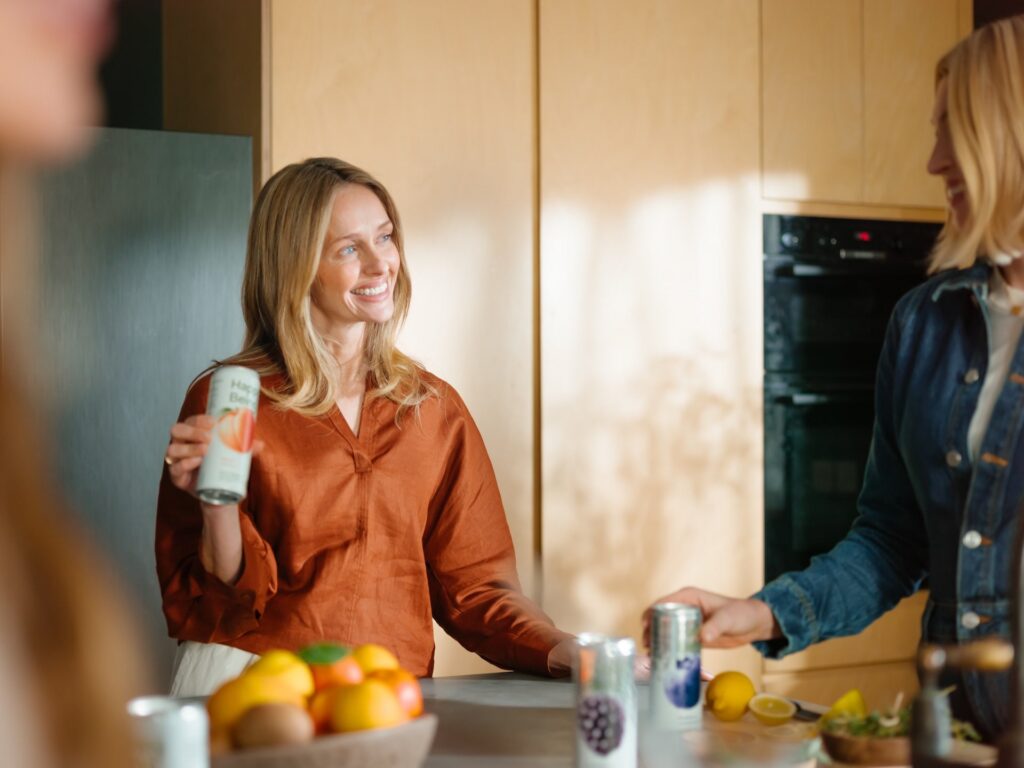
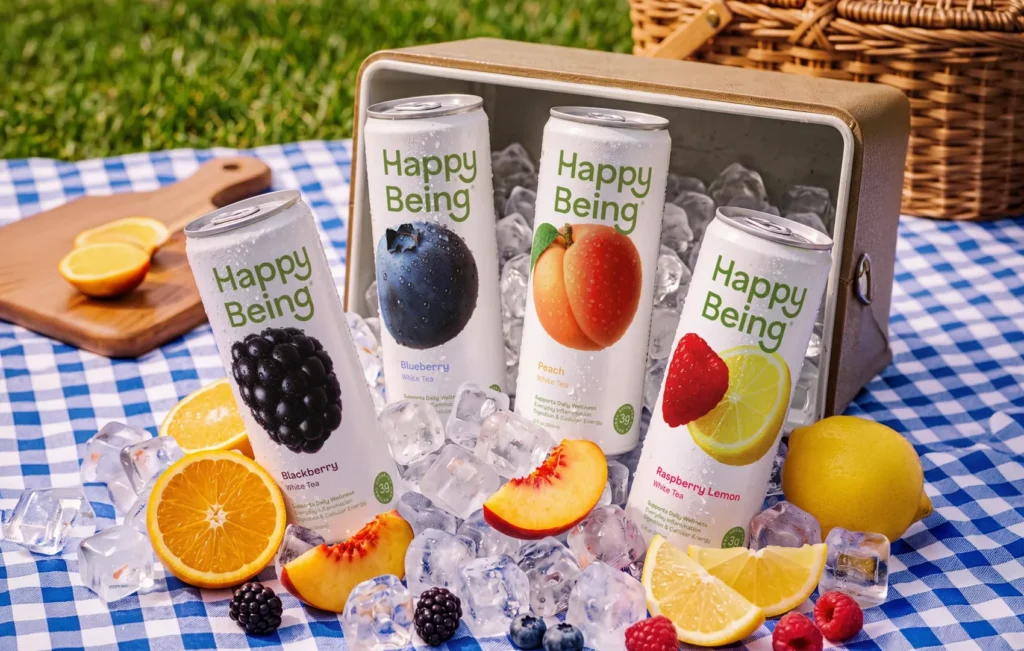
One of the more practical strengths here is variety. Happy Being currently offers nine flavors: Peach, Blueberry, Black Cherry, Strawberry Kiwi, Orange, Blackberry, Mango, and Raspberry Lemon, with most available in both still and sparkling versions. That’s a meaningfully larger selection than a lot of competitors in the functional beverage space, and it gives people room to find something they actually enjoy drinking daily instead of forcing down a single “healthy” flavor out of obligation.
The still versus sparkling split also matters for people who have strong preferences one way or the other. Some folks want the fizz of a soda replacement, while others prefer a smoother, juice-like sip. Having both formats across most of the flavor lineup removes one of the more common friction points in switching to a new daily drink, since you’re not locked into a texture you don’t like just to get the ingredient benefits.
Real-World Experience Patterns
Customer feedback featured on the site paints a fairly consistent picture. People mention steady energy throughout the day without a crash, which lines up with the caffeine-free formulation built around white tea rather than stimulants. Several reviewers specifically call out the turmeric content in relation to managing daily inflammation, and others mention using the drink as a replacement for less healthy morning beverages.
Of course, these are curated testimonials from the brand’s own site, so it’s worth taking them as a starting point rather than the full picture. The overall rating shown is 4.7 out of 5 stars from what’s described as thousands of customers, which is a solid signal, but independent third-party reviews would round out the picture better than brand-selected quotes alone. If flavor and mouthfeel matter to you as much as function, ordering a variety pack before committing to a subscription is probably the smarter move.
Pricing and Value
Happy Being offers a few different purchasing structures. You can buy a single flavor in a pack of 16 cans, try a variety pack that includes four cans of each flavor also totaling 16 cans, or subscribe for recurring deliveries every 30 days at a 25% discount. The subscription can reportedly be canceled or modified at any time, and the company backs purchases with a 30-day guarantee along with free shipping on all orders.
Whether this pricing structure represents good value really depends on what you’re comparing it to. Against a specialty juice or a premium sparkling water, it’s a reasonable trade if you like the taste and appreciate the added ingredients. Against plain tea or water, you’re clearly paying a premium for convenience, flavor, and the functional additives. The 25% subscription discount is a meaningful incentive if you already know you’ll drink these regularly, but committing to a subscription before trying a variety pack first seems like the riskier route for anyone new to the brand.
Who Should Look Elsewhere
If you’re someone who needs hard clinical data before trusting a wellness claim, Happy Being’s site leans more on ingredient storytelling than study citations, so you may find the marketing a bit light on substance. Similarly, if you’re looking for a stimulant-based energy drink with a noticeable caffeine kick, this isn’t that. It’s explicitly caffeine-free, which is a feature for some and a dealbreaker for others depending on what you’re trying to replace in your routine.
People with very specific dietary tracking needs should also double check the ingredient list directly, since the site confirms it’s free of gluten, dairy, soy, and nuts, but doesn’t break down every individual ingredient in the blend on the homepage itself. For most casual wellness drink shoppers, though, the combination of low sugar, low calories, and a genuinely broad flavor selection makes this an easy enough thing to try without much financial risk given the guarantee and free shipping.
Bottom Line
Happy Being positions itself as a flavorful, low-calorie, caffeine-free alternative to typical sugary drinks, built around white tea and a handful of functional ingredients like turmeric, elderberry, and EGCG. The nine-flavor lineup across still and sparkling formats is a genuine strength, giving people real choice instead of a single forced flavor profile. Pricing is reasonable when using the subscription discount, and the 30-day guarantee lowers the risk of trying it out.
That said, the health claims are presented in fairly general wellness language rather than backed by specific study citations on the site itself, so treat statements about inflammation and cellular support as directional rather than clinically proven. If the flavor lineup and low sugar content appeal to you, this seems like a low-risk product to sample. Would you feel differently about the claims if the brand included more detailed research citations alongside the ingredient list?
Frequently Asked Questions
Is Happy Being caffeinated?
No, Happy Being is caffeine-free. It uses white tea, which naturally contains minimal caffeine, and the formula is built to provide energy through natural ingredients rather than stimulants.
Does Happy Being contain common allergens?
According to the brand, Happy Being is free of gluten, dairy, soy, and nuts, making it suitable for people managing common dietary restrictions or allergies.
How much sugar and how many calories are in each can?
Each serving contains 3 grams of naturally occurring sugar, 20 calories, and a minimal amount of carbohydrates, according to the brand’s nutrition information.
What flavors does Happy Being offer?
The lineup includes Peach, Blueberry, Black Cherry, Strawberry Kiwi, Orange, Blackberry, Mango, and Raspberry Lemon, with most flavors available in both still and sparkling versions.
What is the difference between still and sparkling versions?
Still versions offer a smoother, juice-like drinking experience, while sparkling versions add carbonation for people who prefer a soda-like texture. Most flavors are available in both formats.
Can I subscribe to Happy Being instead of buying one-time?
Yes, Happy Being offers a subscription option that ships every 30 days at a 25% discount. Subscriptions can be canceled or modified at any time according to the brand’s subscription policy.
What is Happy Being’s return policy?
The brand offers a 30-day guarantee, meaning customers who are not satisfied with their purchase can contact the company within 30 days for a full refund or exchange.
Why does Happy Being use white tea specifically?
White tea is described as the least processed tea type, picked when leaves are young, which preserves its original flavor and delicate compounds. The brand states it contains higher levels of EGCG and greater antioxidant potential than green tea while being lower in caffeine.
Does Happy Being ship for free?
Yes, the brand states that free shipping is included on all orders, regardless of whether you purchase a single flavor pack, a variety pack, or set up a subscription.