
Updated on May 15, 2026
TLDR
Hernest is a legit direct-to-consumer online furniture brand that punches well above its price point on aesthetics – but comes with real delivery and returns caveats you need to know about first.
- What it is: An online-only furniture retailer offering mid-century modern and nature-inspired pieces across living, dining, bedroom, bath, and outdoor categories
- Who it’s for: Style-conscious homeowners who want elevated, design-forward furniture without paying designer prices
- Top strengths: Genuinely solid build quality, distinctive MCM and Japandi-leaning aesthetics, competitive pricing, free shipping on most orders
- Biggest limitation: Third-party freight delivery is inconsistent, and the returns process – complete with a 20% restocking fee – is painful if things go wrong
- Quick verdict: Worth considering for statement pieces where you’ve confirmed dimensions and finish; shop carefully on big-ticket orders and photograph everything on arrival
Jump to:
- TLDR
- Introduction
- What HERNEST Is and Who It’s Targeting
- The Product Catalogue and Design Language
- Build Quality: Better Than It Has Any Right to Be at This Price
- Pricing and Value
- The Delivery Experience: The Biggest Variable
- Customer Service: Genuinely Good, With Exceptions
- The Returns Policy: Read This Before You Buy
- Who Should Buy from HERNEST
- Who Should Look Elsewhere
- Bottom Line
- FAQ
- Is HERNEST a legitimate company or a scam?
- What style is HERNEST furniture?
- Does HERNEST offer free shipping?
- What is HERNEST’s return policy?
- How long does HERNEST delivery take?
- Does HERNEST have a warranty?
- How does HERNEST compare to Article or CB2?
- Are HERNEST influencer discount codes legitimate?
- Is HERNEST furniture easy to assemble?
Introduction
Here’s the situation: you want furniture that doesn’t look like it came off a flat-pack conveyor belt, but you’re not willing to pay West Elm prices for it. Hernest keeps showing up in your algorithm, the TikTok reviews look almost suspiciously good, and you’re wondering if this is a real brand or just another drop-shipper slapping its logo on overseas factory seconds.
That’s a fair question, and it deserves a real answer. Hernest is a legitimate company – founded in 2013, with warehouses across the continental U.S., a growing catalogue of mid-century modern and nature-inspired pieces, and over 700 customer reviews hovering around a 4-star average. But the story is more layered than the polished Instagram grid suggests. There’s genuine quality here, and there are genuine frustrations. Understanding which side of that line your order lands on depends a lot on what you buy, how it ships, and what happens if something goes wrong.
What HERNEST Is and Who It’s Targeting
Hernest describes itself as a brand that blends empathy and craftsmanship to deliver accessible luxury home furnishings inspired by nature and retro aesthetics. In plain English: it’s a direct-to-consumer furniture brand positioning itself in the sweet spot between IKEA-tier budget buys and the genuine mid-range designer market.
Founded in 2013, the brand has spent over a decade developing its product lines, and its catalogue spans everything from coffee tables and dining chairs to makeup vanities, bathroom fixtures, outdoor furniture, and lighting. The aesthetic leans heavily into mid-century modern (MCM), Japandi minimalism, and what the brand calls “retro-modern” – think clean lines, warm wood tones, woodgrain veneer, and matte finishes with the occasional travertine texture thrown in.
The customer Hernest is clearly targeting is someone who reads interior design blogs, follows home decor accounts, and wants their living room to look intentional rather than assembled from whatever was on sale. Across review forums and Reddit furniture discussions, the brand’s competitive pricing comes up repeatedly as a differentiator – people are genuinely surprised by what they’re getting for the money. That said, Hernest is not trying to be the cheapest option in the room. They want to be the smartest one.

The Product Catalogue and Design Language
What You Can Actually Buy
Hernest’s range is broader than most people expect from a smaller direct-to-consumer brand. Core categories include living room furniture (media consoles, sideboards, sofas, coffee tables), dining sets, bedroom furniture (dressers, nightstands, bed frames), bathroom vanities, outdoor pieces, lamps, ceiling and wall lighting, and home decor accents like wall art and decorative objects. The brand also offers professional home staging services for sellers looking to prep a property – an unusual add-on that speaks to the design-forward positioning.
Collections are organized around named design lines. In mid-2025, Hernest launched the Renata Collection – a series built around refined modern design grounded in natural materials, featuring a 71-inch sideboard, travertine-textured TV stand, coffee table, and nightstand, all characterized by woodgrain finishes, textural contrast, and proportion-driven silhouettes. The company has described the Renata line as designed for buyers who care about materiality and atmosphere, not just aesthetics – and based on the visual execution, that framing holds up.
Hernest’s internal design philosophy reportedly favors long development cycles over rapid trend response. Their first furniture piece, introduced in 2015, reportedly went through nearly 900 revisions before launch – a detail that sounds like marketing but is consistent with the quality execution buyers describe receiving. Whether it’s literally true or not, the brand’s approach to design reads as considered rather than reactive.
Aesthetics That Actually Stand Out
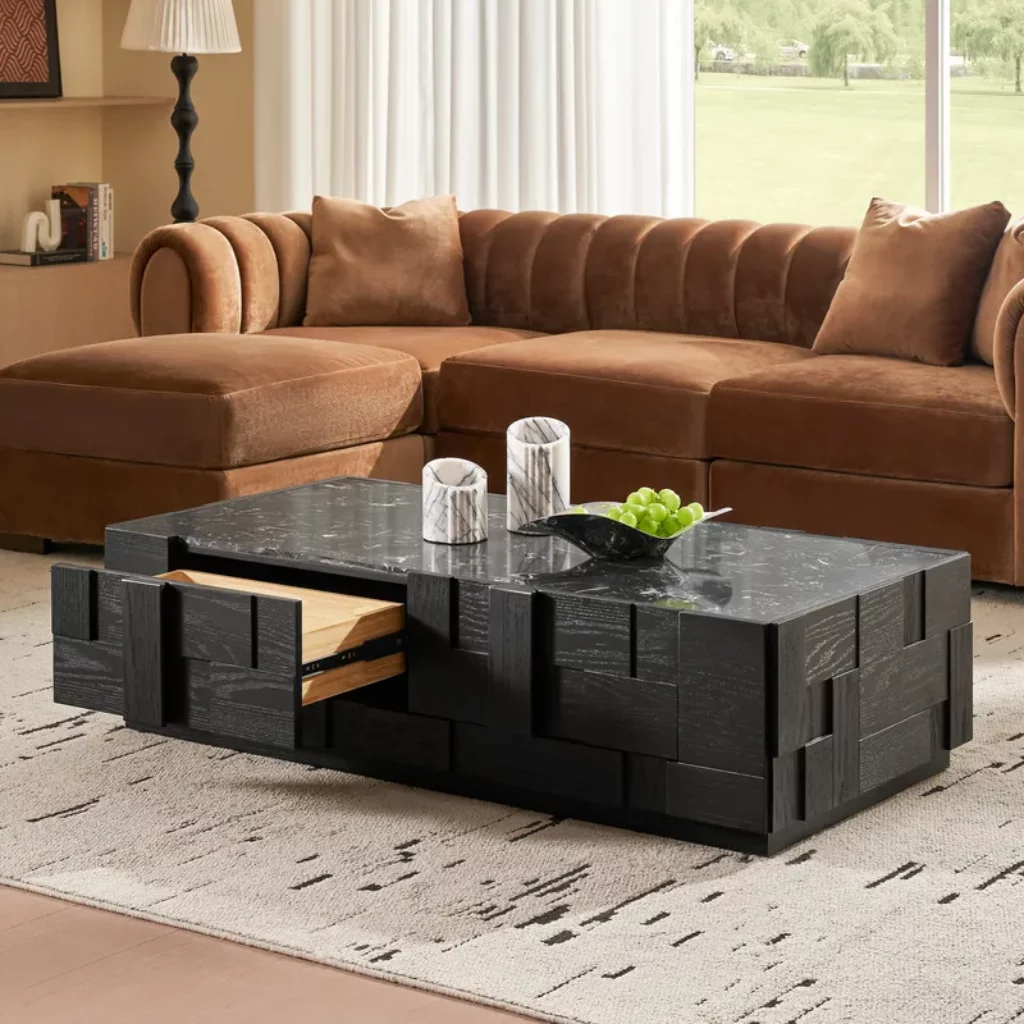
One thing that comes through consistently across Trustpilot reviews, TikTok unboxings, and review aggregators is that Hernest pieces photograph well and translate even better in person. Users on social media frequently describe pieces as quietly elevating the feel of an entire room – the kind of furniture that makes a space look curated rather than furnished. That comment pattern shows up across enough independent voices to be credible.
The media consoles and sideboards generate the strongest reactions. Multiple reviewers describe them as visually indistinguishable from pieces costing two or three times as much. The wood finishes in particular draw consistent praise for looking and feeling real rather than plasticky or obviously synthetic.
One genuine limitation worth flagging: Hernest offers no customization options for color or model. You buy what’s on the site – no custom upholstery, no finish swaps, no size variations. For most buyers this isn’t a dealbreaker. For anyone trying to match existing furniture exactly, it could be.
Build Quality: Better Than It Has Any Right to Be at This Price
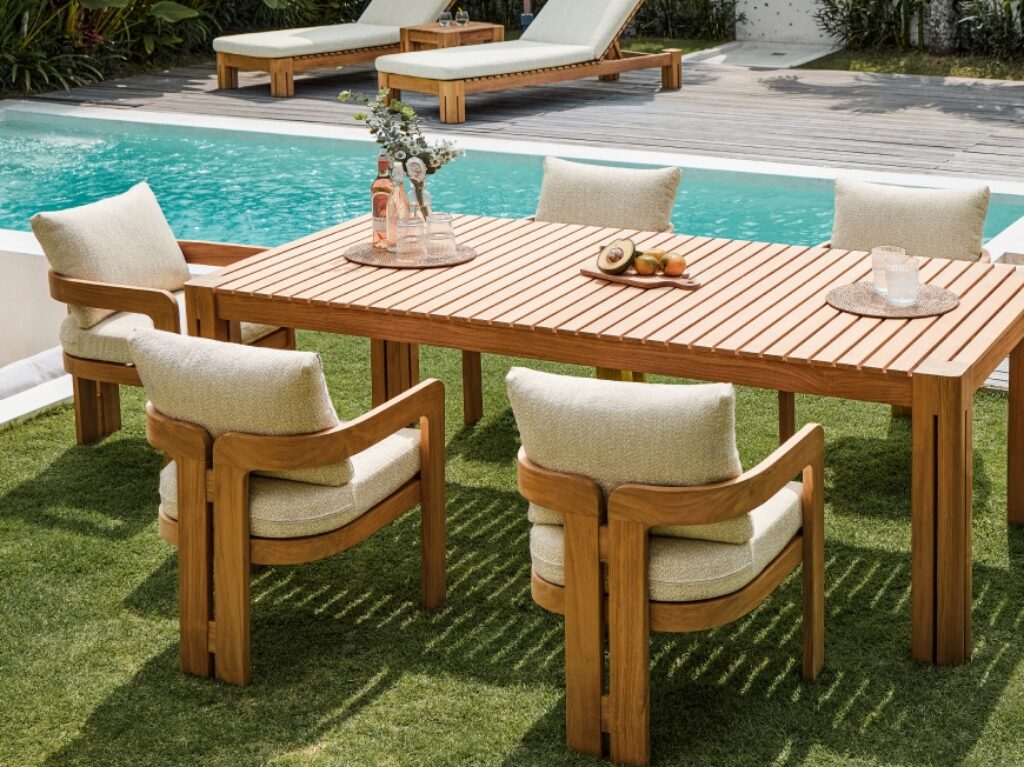
This is where Hernest consistently earns its reputation. Across hundreds of independent reviews on Trustpilot, the BBB, and review aggregators, the most common theme is that the physical product exceeds expectations – sturdier than anticipated, heavier than expected, and more solidly constructed than the price would suggest.
One reviewer described a media console in practical terms: the wood finish looks real, it’s heavy enough that kids can’t easily move it, and it holds a router, game console, and a stack of records without any sagging. That kind of specific, functional detail reads as genuine, and it echoes across many similar accounts. When furniture arrives heavier than expected, that’s almost always a good sign about what’s inside.
Where Quality Control Falls Short
It would be misleading to stop there. A recurring pattern across review sites involves missing parts, surface scratches, and occasional color discrepancies between what’s shown online and what arrives. These aren’t rare edge cases – they appear consistently enough to represent a real quality control issue. A missing handle on a media console, doors that need significant adjustment to align and close properly, a chip on the back corner of a shelf. These are the kinds of issues that don’t ruin a piece but do require either accepting a cosmetic imperfection or initiating a customer service interaction.
One buyer noted that the drawers on a delivered piece weren’t soft-close as expected – they required force to shut fully and would stick out if not slammed. For a brand positioning itself as accessible luxury, fit-and-finish details like hardware action and drawer alignment are exactly where that promise can feel thin. It’s worth reading product descriptions carefully and not assuming that “quality construction” implies soft-close hardware unless it’s explicitly stated.
Pricing and Value
Hernest occupies a genuine middle-market position. Pieces range from roughly $200-300 for accent tables and lamps up to $1,200-2,000 for media consoles, dining sets, and bedroom collections. Bathroom vanities tend to sit in the $500-900 range for mid-size options. The brand runs frequent sitewide sales – up to $500 off during major sale events – and an active influencer program means discount codes in the 15-20% range circulate regularly on TikTok and LTK.
The direct-to-consumer model is central to how Hernest justifies its pricing. By cutting out retail intermediaries, the brand claims to pass savings directly to buyers. Multiple localized warehouses across the U.S. reduce logistics costs and allow for free shipping on most orders within the continental United States. That structural setup is real, and it’s part of why delivery tends to be faster than buyers expect – some reporting arrival in 4 weeks on orders with an estimated 10-week timeline.
At the transaction prices Hernest actually charges – not the inflated “compare at” prices – the quality-to-cost ratio is a genuine differentiator. Comparable-looking pieces at retailers like CB2 or Article typically cost meaningfully more for similar materials and construction. If you’re buying without needing the comfort of a retail return experience, the price advantage is real.
The Delivery Experience: The Biggest Variable
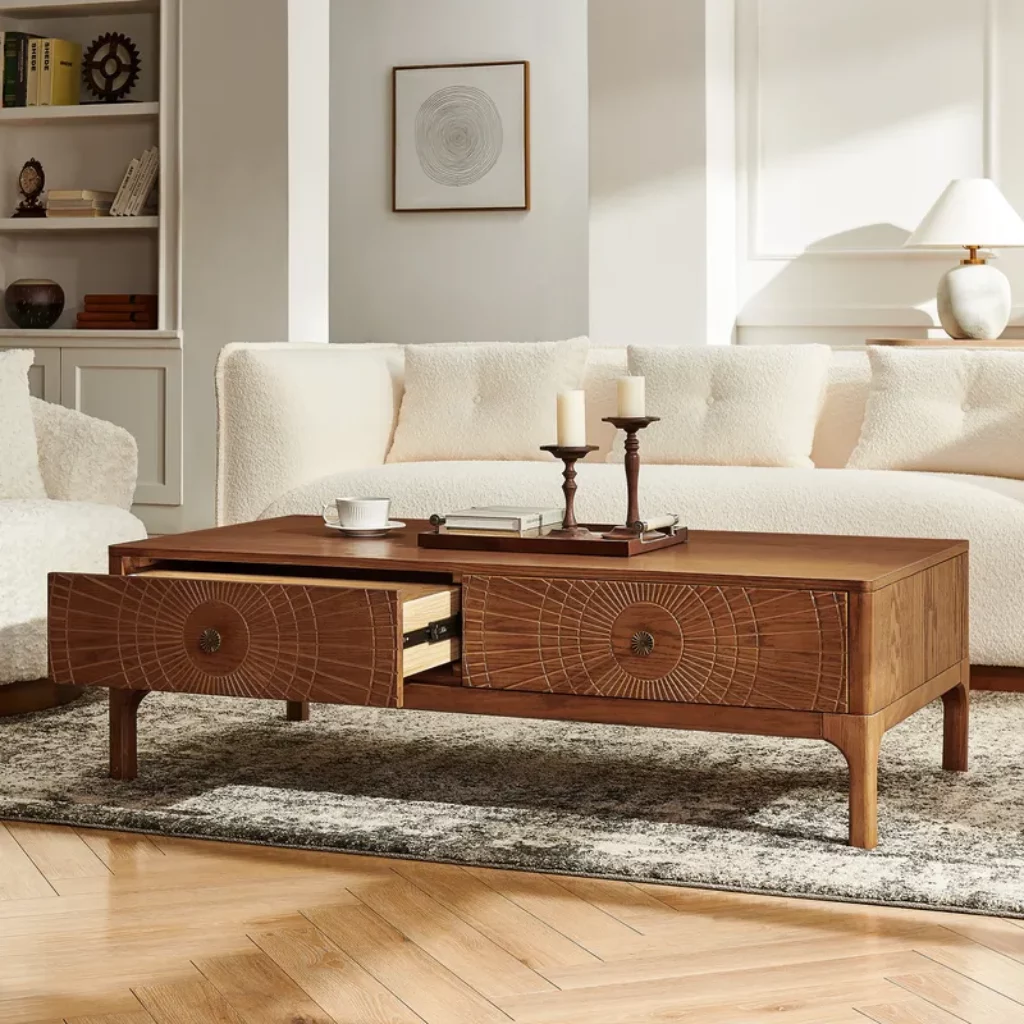
This is where the Hernest experience diverges most sharply between customers. The best-case scenario – which happens regularly – involves professional freight delivery, well-packaged items, and pieces arriving ahead of schedule in perfect condition. Many Trustpilot reviews describe exactly this. The delivery crew is professional and courteous, the packaging is substantial, and the item arrives undamaged.
But it doesn’t always go that way. Some buyers have been notified of delivery the same day it arrived, with packages left in building lobbies rather than brought upstairs – a genuine security risk for a large, expensive piece. Others have described waiting months past the original estimated delivery date without proactive communication from either Hernest or the freight carrier.
The most dramatic delivery failures tend to involve large bedroom or dining sets shipped via freight. One detailed account – shared across multiple review platforms – describes a buyer watching delivery workers open gashed boxes on the truck’s lift to find a six-drawer dresser with one end crushed, a headboard split clean through, and a five-drawer dresser with a broken foot and deep scrapes. The buyer refused delivery on the spot, which is the right call and is within a customer’s rights.
The core issue is structural: Hernest relies on third-party freight carriers for delivery, and those carriers are genuinely inconsistent. The company is responsive when things go wrong in most cases, but the delivery experience itself is largely outside their direct control. This is not unique to Hernest – it’s a reality across most online furniture brands – but it’s a risk worth pricing into your expectations before ordering.

Customer Service: Genuinely Good, With Exceptions
The customer service picture is more positive than the delivery picture. In cases where packages went missing – marked as delivered but never arriving – buyers consistently report that Hernest responded quickly, offered to resend the item, and issued full refunds without pushback when buyers had already sourced an alternative. That kind of response – not fighting a customer over a logistics failure – indicates a service culture that’s actually trying.
Buyers who received damaged or incorrect items also frequently describe the team as handling resolutions professionally and efficiently. The brand monitors Trustpilot and the BBB and responds publicly to negative reviews, which at minimum signals awareness of customer feedback even if the responses themselves can read as templated.
The friction tends to emerge specifically around partial damage situations – where a piece arrives damaged but still usable, and Hernest’s initial offer is a partial refund rather than a replacement or full resolution. At least one widely-cited case involved a multi-round negotiation where Hernest offered 12% off on a $1,200 item with clear damage, ultimately leading to an impasse. These cases are a minority, but they’re a vocal and recurring minority. If you receive a partially damaged piece, the consensus advice from buyers who’ve navigated this is to be clear and firm about your expectations from the first communication rather than accepting an initial lowball offer.
The Returns Policy: Read This Before You Buy
This section deserves its own spotlight, because the returns experience is where uninformed buyers get burned. A 20% restocking fee applies to non-defective returns, and freight carrier and white-glove delivery charges are non-refundable once the service has been rendered. If you ordered a sofa, decided it’s uncomfortable as a bed, and want to send it back – you’re absorbing 20% of the item price before the return shipping cost even enters the picture.
The damage reporting window is strictly 7 days from delivery. If you’re storing items during a renovation and don’t inspect them immediately, that 7-day window still applies. This catches buyers out more often than you’d expect – a large piece arrives, gets moved to a garage or staging area, and isn’t fully unboxed for a week. By the time visible damage is discovered, the claim window has closed.
Clearance items, final sale items, and flash sale items cannot be returned for any reason. The warranty covers manufacturing defects but explicitly notes that Hernest’s decisions on complaints are final and conclusive, and that no cash refund is available beyond the purchase price within the warranty framework.
The practical implication is straightforward: inspect everything immediately on arrival, photograph the original packaging and the piece itself before assembly, and document anything that isn’t right. Do not let a large delivery sit unopened for a week. This advice applies to any online furniture purchase, but Hernest’s tight claim windows make it more consequential here than at some competitors.
Who Should Buy from HERNEST
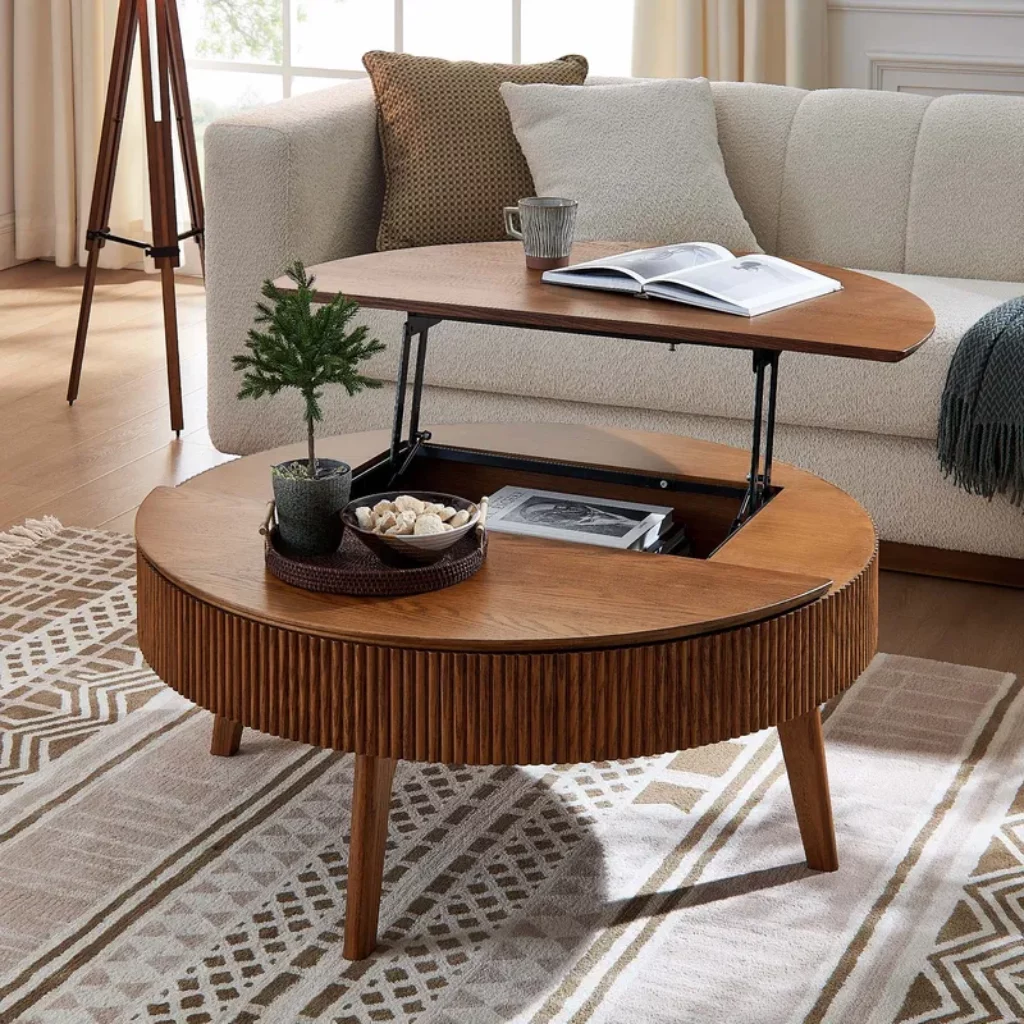
Hernest works best for buyers who are clear on what they want, confident in the dimensions and finish from the product page, and prepared to do a thorough inspection the moment something arrives. If you’re looking for a sideboard, media console, coffee table, or accent piece that looks like it belongs in an interior design spread without spending designer prices, Hernest is a legitimate option worth serious consideration.
The brand is particularly well-suited to Japandi and MCM-inspired interiors, where its use of solid and engineered wood, muted tones, organic forms, and clean-lined silhouettes fits naturally. Interior design bloggers and professional home stagers have noticed – Hernest is regularly cited as a go-to source for modern-meets-mid-century style at accessible price points. First-time homeowners furnishing a new space, and anyone upgrading from fast furniture to something more considered, represent the core happy-customer profile.
Who Should Look Elsewhere
If you’re ordering a large, multi-piece bedroom or dining set where every component needs to match and arrive undamaged simultaneously, the delivery risk compounds in a way that’s harder to absorb. The buyers who’ve had the worst experiences tend to be placing large freight-delivered orders – where one damaged piece throws off an entire matched set and the resolution process becomes protracted.
Anyone who needs reliable, hassle-free return flexibility should also proceed carefully. The 20% restocking fee, non-refundable delivery charges, and strict damage windows create a returns environment that rewards decisiveness and punishes hesitation. If there’s meaningful uncertainty about whether a piece will work in your space, Hernest is not the right place to experiment.

Bottom Line
Hernest is a brand with a real, well-designed product behind the polished marketing. The aesthetic is distinctive, the build quality is genuinely competitive at the price point, and the customer service team resolves most issues professionally. With hundreds of verified reviews sitting around a 4-star average across multiple platforms, the brand’s track record is stronger than you’d expect from a company most people haven’t heard of until recently. The pieces that arrive intact and as described tend to genuinely delight buyers – and that’s not a small thing in a category full of disappointing outcomes.
The catches are also real. Delivery inconsistency is the brand’s most significant operational weakness, and the returns policy has enough friction – restocking fees, tight damage windows, non-refundable delivery charges – that a bad outcome on a large order can be genuinely costly. The smart approach is to treat Hernest as a strong option for individual statement pieces where the stakes are manageable, and to exercise considerably more caution on large matched-set orders where everything needs to go right at once.
In a furniture market flooded with cheap imports on one end and overpriced retail markup on the other, Hernest does mostly occupy the middle ground it claims. The “mostly” is doing some real work in that sentence – but for the right buyer and the right piece, it’s a brand worth taking seriously. Does a 20% restocking fee change how you’d shop here, or is the design quality strong enough to make it worth the stricter terms?
FAQ
Is HERNEST a legitimate company or a scam?
Hernest is a legitimate online furniture retailer founded in 2013, with U.S.-based warehouses and hundreds of verified customer reviews across Trustpilot and the Better Business Bureau. It is not a drop-shipper or scam operation. The brand is headquartered in Bellevue, Washington, though it is not BBB accredited. Buyers who are cautious about unfamiliar online retailers can find extensive review history across multiple independent platforms before committing.
What style is HERNEST furniture?
Hernest’s design identity centers on mid-century modern and retro-modern aesthetics, with strong appeal to Japandi-inspired interiors as well. Expect clean lines, warm woodgrain finishes, muted color palettes, natural textures like wood veneer and travertine-inspired surfaces, and organic silhouettes. If your taste runs toward maximalist, traditional, or heavily rustic styles, the catalogue likely won’t speak to you.
Does HERNEST offer free shipping?
Free shipping is offered on most orders within the continental United States. The brand operates multiple localized warehouses to reduce delivery times and logistics costs. Hernest does not ship to Alaska, Hawaii, Puerto Rico, Guam, the Federated States of Micronesia, the Mariana Islands, or the U.S. Virgin Islands due to shipping restrictions.
What is HERNEST’s return policy?
Non-defective returns carry a 20% restocking fee, and freight carrier and white-glove delivery charges are non-refundable once service has been rendered. Damage must be reported within 7 days of delivery with supporting photographs. Clearance, final sale, and flash sale items are non-returnable. The first 60 days after delivery represent the most flexible return window – after that, claims fall under warranty terms rather than return terms.
How long does HERNEST delivery take?
Delivery timelines vary by product and location. Some buyers report receiving orders in as little as 4 weeks on items with estimated timelines of 8-10 weeks. Others – particularly those ordering large freight-delivered sets – have experienced delays of several months. Delivery communication quality is inconsistent and represents one of the most common complaints across review platforms.
Does HERNEST have a warranty?
Hernest offers a limited warranty covering manufacturing defects and workmanship failures, with coverage periods that vary by product and begin from the date of delivery. Within defects found during the warranty period, Hernest will offer a refund, replacement parts, or a comparable substitute piece. The warranty applies to residential use only, is non-transferable, and covers only the original retail purchaser.
How does HERNEST compare to Article or CB2?
Hernest typically prices below both Article and CB2 for comparable-looking pieces. The trade-off is less predictable delivery logistics and a more restrictive returns policy – Article in particular has stronger return infrastructure. Hernest’s aesthetic is distinctive enough that direct style comparisons aren’t always straightforward, so it’s worth checking all three catalogues before committing. For buyers who prioritize return flexibility, Article is the safer bet; for buyers who prioritize price-to-design ratio, Hernest often wins.
Are HERNEST influencer discount codes legitimate?
Yes. Hernest runs an active influencer program and discount codes – typically 15-20% off sitewide – circulate regularly on TikTok and LTK. These are legitimate and functional at checkout. Given that some pieces run into four figures, a 15-20% discount represents meaningful savings. It’s worth searching for a current active code before placing any order of significant size.
Is HERNEST furniture easy to assemble?
Assembly difficulty varies by product category, but the general consensus is positive. Many larger pieces – particularly sideboards, media consoles, and dressers – arrive largely or fully pre-assembled, requiring only minor steps like attaching legs. Smaller accent pieces and bed frames tend to require more assembly but are described as coming with clear instructions and well-labeled components. This is consistently cited as a strength relative to competitors.