TLDR
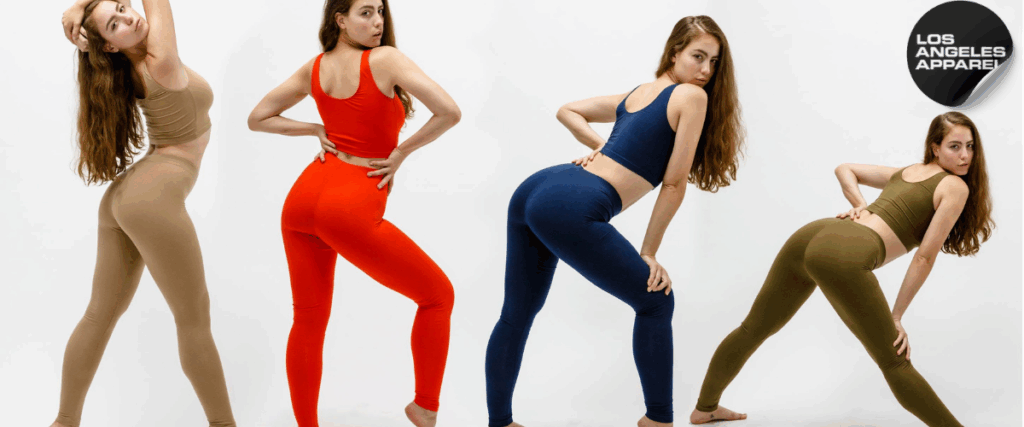
Los Angeles Apparel makes some of the best heavyweight cotton basics you can buy – full stop.
- What it is: A made-in-South-Central-LA clothing brand founded in 2016 by Dov Charney, the founder of American Apparel
- Who it’s for: Ethics-conscious shoppers, streetwear fans, blank-goods buyers who want thick, premium-weight American-made basics
- Top strength: Fabric quality – particularly the 6.5oz and 14oz cotton pieces – is genuinely excellent and consistent
- Standout detail: Everything is knitted, cut, sewn, and dyed in-house in LA, with above-minimum wages and real benefits for the people making your clothes
- Quick verdict: Buy it for the fabric, the consistency, and the fact that it’s made by people who are actually paid fairly for it
Jump to:
- TLDR
- Real “Made in America” Basics, Done Right
- What Los Angeles Apparel Actually Is
- Fabric and Product Quality: Where This Brand Shines
- Pricing and Value
- Ordering, Shipping, and Support
- Who Should Buy Los Angeles Apparel
- Bottom Line
- FAQ
- Is Los Angeles Apparel the same as American Apparel?
- Does Los Angeles Apparel run true to size?
- Is Los Angeles Apparel worth the price?
- How is Los Angeles Apparel’s shipping?
- Does Los Angeles Apparel have a return policy?
- What is the 1801 t-shirt?
- How does Los Angeles Apparel handle defective items?
- Does Dov Charney still run Los Angeles Apparel?
Real “Made in America” Basics, Done Right
If you care where your clothes are made and you want the kind of thick, substantial cotton that used to come standard from American Apparel, Los Angeles Apparel is exactly the brand you’re looking for. Founded by Dov Charney – the same person who built American Apparel into a cultural phenomenon – the brand carries forward the same South Central LA manufacturing base, the same vertically integrated production philosophy, and the same signature heavyweight cotton aesthetic that made the original so beloved. For anyone who grew up wearing American Apparel, that familiarity is the whole appeal.
What Los Angeles Apparel Actually Is
Los Angeles Apparel manufactures, designs, and distributes basics-focused clothing out of South Central Los Angeles – and controls the entire production chain in-house. Knitting, cutting, sewing, and dyeing all happen under one roof, which the brand highlights as central to its identity. Workers earn up to $25 an hour and no less than $17.25, with healthcare, a 401k, paid sick days, and subsidized bus passes on top. That’s a genuinely rare commitment in apparel manufacturing.
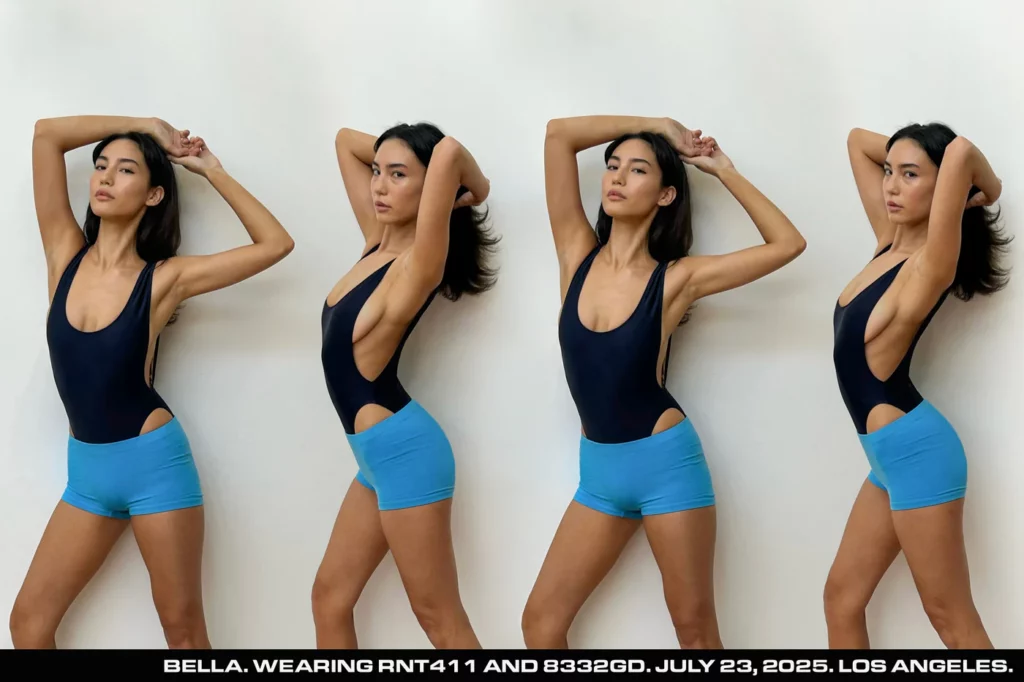
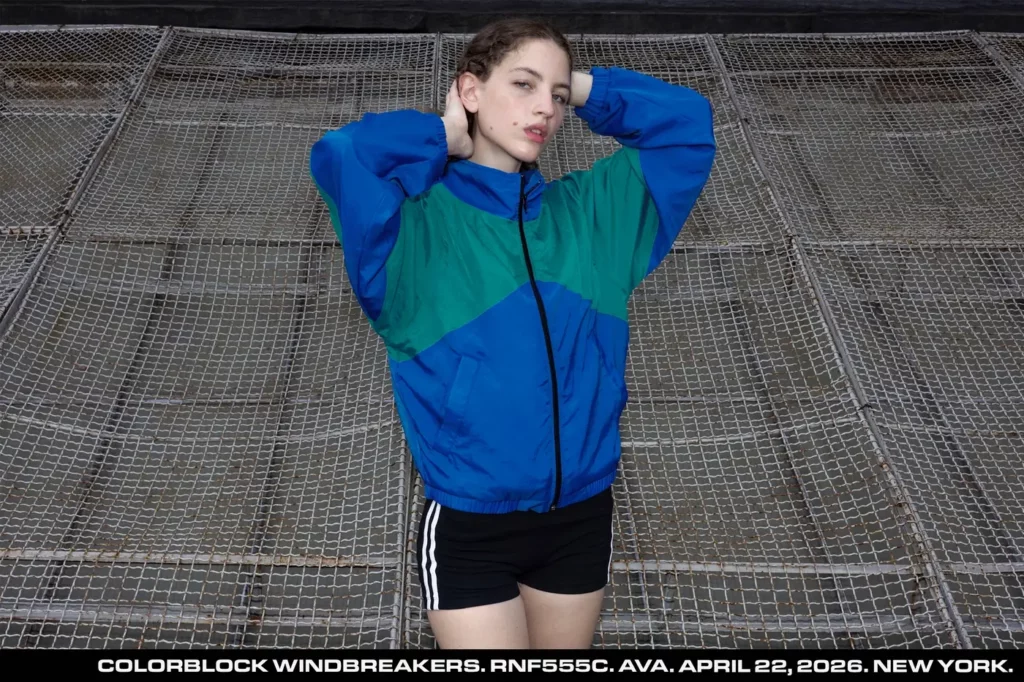
The product range is broad: t-shirts, fleece sweatsuits, bodysuits, denim, knitwear, swim, activewear, dancewear, and accessories from socks to Casio watches. The signature item is the 1801 – a 6.5oz garment-dyed crew neck t-shirt available in dozens of colorways using standard, mineral wash, and pigment wash dye processes. It’s the piece most closely associated with the brand, and the one that shows up most often in reviews and community discussions. There’s also an “Imperfect” version at a discount for items with minor cosmetic flaws – a smart, sustainable way to reduce waste while giving value-seekers an easy way in.
The Target Customer
The brand draws a specific and loyal type of shopper. Users on fashion-forward Reddit communities and TikTok frequently cite it as the go-to for people who want oversized, vintage-feeling basics without going full luxury. It’s a favorite among American Apparel nostalgia buyers, LGBTQ+ shoppers who appreciate the brand’s inclusive sizing and aesthetics, print-on-demand businesses sourcing blank tees in bulk, and anyone willing to pay a premium for US-made garments.
Fabric and Product Quality: Where This Brand Shines
This is where Los Angeles Apparel truly delivers. Across review platforms, TikTok hauls, and enthusiast threads, the consensus on the fabric is overwhelmingly positive. The cotton has a substantive, durable feel that users frequently compare favorably to American Apparel in its prime. Independent reviewers who have physically tested the 1801GD consistently describe it as soft, breathable, and shrink-resistant – the brand’s garment-dyeing process pre-shrinks the material, so what you buy is what you keep.
The 6.5oz weight stands out in a market where most basic tees hover around 4-5oz. It drapes beautifully, holds its shape over time, and has that coveted “worn-in” look from the moment you put it on, especially in the garment-dyed colorways. The heavy fleece line – running up to 14oz – earns particularly strong praise from people who find standard sweatshirts feel flimsy by comparison.
Consistency Is a Real Selling Point
One advantage users across review forums consistently highlight is batch-to-batch consistency. Because everything is manufactured in-house rather than outsourced to rotating vendors, repeat buyers report that a t-shirt purchased today fits essentially identically to one purchased two years ago. For anyone who’s found a favorite piece from a mainstream brand only to have the next run cut completely differently, that reliability is worth real money. A longtime customer on Trustpilot shared that they’d been buying the brand’s cotton boxer briefs for over a decade without a single bad experience with the product itself.
Fit and Sizing Notes
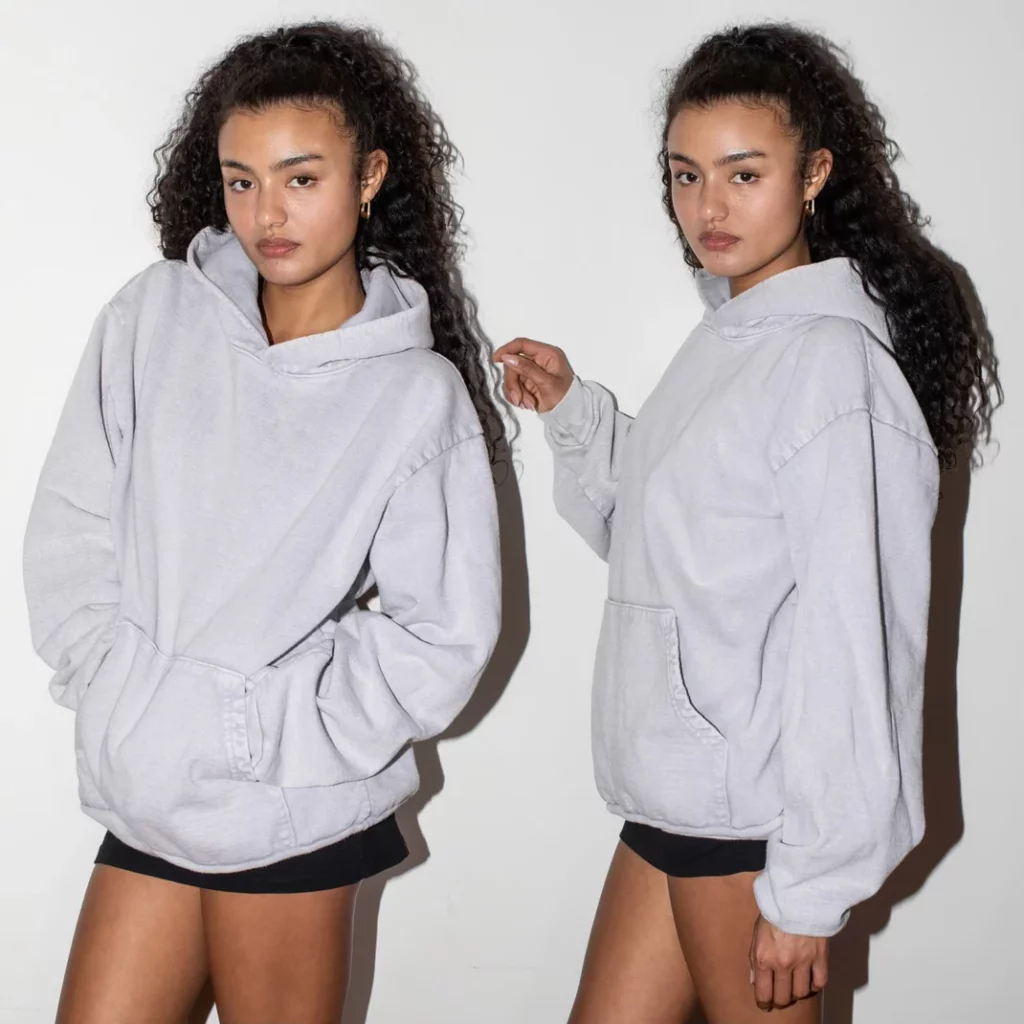
The cuts lean into a relaxed, boxy silhouette, with wide, dropped shoulders standard across most tops – a look that reads as intentional and stylish, especially on tall, lean frames. Independent reviewers note that model photography actually makes pieces look more oversized than they wear in practice: the torso tends to sit closer to true-to-size than the site photos suggest, while the shoulders stay pleasantly roomy. If you want the classic oversized look, your usual size is a safe bet; for a more fitted feel, sizing down works well too.
Pricing and Value
Los Angeles Apparel sits at a premium price point, and it earns it. The flagship 1801 garment-dyed t-shirt retails in the $30-40 range, hoodies run around $65-80, and heavier fleece pieces climb higher. Relative to what it actually costs to manufacture in a living-wage factory in Los Angeles, that price reflects real, verifiable value – you’re paying for fabric quality and fair labor, not just a logo.
The brand runs seasonal sales, Black Friday and Cyber Monday promotions, and a student discount through a verification program. Free shipping kicks in on US orders over $125 – a reasonably accessible threshold if you’re buying more than one or two pieces. The brand also ships to over 50 countries internationally.
The “Imperfect” product line deserves special mention. Minor cosmetic quirks – a slightly off-color patch, a small seam variation – are sold at a meaningful discount, and multiple buyers report being unable to find anything actually wrong with the items when they arrive. It’s one of the best value plays in the entire lineup.
Ordering, Shipping, and Support
Domestic shipping is fast when everything lines up – same-day dispatch is available for orders placed before 3pm PDT. Customer service experiences run the gamut, and there are plenty of great ones: one European customer specifically praised a representative named Axel for exceptional responsiveness, and several reviewers describe quick, helpful resolutions – including full refunds – when something needed fixing. As with any brand producing this volume of made-to-order, small-batch inventory, occasional stock mismatches or shipping hiccups do come up for some customers; the brand’s support team and return/exchange portal are there to sort those out.
Who Should Buy Los Angeles Apparel
If you want thick, well-made US-manufactured basics, are nostalgic for old American Apparel quality, or are building a wardrobe around a few genuinely great heavyweight pieces, Los Angeles Apparel delivers fully on the core product promise. Blank-goods buyers stocking up for print-on-demand work also get consistently solid results. The 1801 tee and the heavy fleece line are legitimately among the best in their weight class at this price range – this is a brand worth shopping with confidence.

Bottom Line
Los Angeles Apparel does one thing better than almost anyone at its price point: it makes heavy, consistent, American-made cotton basics that age gracefully and don’t shrink. The 1801 garment-dyed tee and the heavyweight fleece line are genuinely worth the premium for anyone who cares about fabric quality. The vertical integration model means what you buy today will match what you bought two years ago – and in a category full of silently reformulated products, that consistency is rare enough to be a real differentiator.
Add in above-market factory wages, real benefits, and a smart discounted line for cosmetic seconds, and you’ve got a brand that backs up its premium positioning with substance – both in the fabric and in how it treats the people who make it.
FAQ
Is Los Angeles Apparel the same as American Apparel?
Not officially, but the family resemblance is intentional and welcome. Both were founded by Dov Charney and share a vertically integrated, made-in-LA manufacturing model with a focus on heavyweight cotton basics. Los Angeles Apparel continues to produce everything in South Central Los Angeles, carrying that original quality forward.
Does Los Angeles Apparel run true to size?
Generally yes, with a relaxed, boxy fit and wide, dropped shoulders across most tops. Reviewers note the actual fit through the torso runs closer to true-to-size than the model photography suggests. Your usual size gives you the classic oversized silhouette; size down for something more fitted.
Is Los Angeles Apparel worth the price?
Yes. For the product quality alone – especially the 6.5oz garment-dyed t-shirts and the heavy fleece pieces – the price reflects genuine US manufacturing costs and living wages for factory workers. Compared to Gildan or Hanes basics, it’s simply a different category.
How is Los Angeles Apparel’s shipping?
Domestic shipping is fast, with same-day dispatch available for orders placed before 3pm PDT. International orders reach over 50 countries, though customs and duty costs fall on the buyer and delivery windows can run a bit longer than the initial estimate for some international orders.
Does Los Angeles Apparel have a return policy?
Yes – there’s a straightforward return and exchange portal for US orders. International returns are handled through email coordination rather than the portal.
What is the 1801 t-shirt?
It’s the brand’s signature unisex 6.5oz garment-dyed crew neck tee, formally called the 1801GD. Made from 100% shrink-free cotton, knitted, cut, sewn, and dyed in Los Angeles, it comes in standard garment dye, mineral wash, and pigment wash versions across a large range of colorways. It’s widely considered the brand’s best and most iconic product.
How does Los Angeles Apparel handle defective items?
Customers frequently report quick, helpful resolutions on defective pieces, including full refunds, through the brand’s customer support team.
Does Dov Charney still run Los Angeles Apparel?
Yes, Dov Charney is the founder and CEO of Los Angeles Apparel as of the time of writing. The brand’s current labor practices – including above-minimum wages and benefits for factory workers – reflect his approach to running this company today.