TLDR
Pedal Electric makes a solid case for riders who want a capable, feature-rich e-bike without sinking $6,000+ into the hobby.
- What it is: A direct-to-consumer electric bike brand offering step-through, hardtail, and all-wheel-drive models
- Who it’s for: Commuters, families, and adventure riders who want speed and range options in one lineup
- Top strength: Wide range of models and bundles, with speeds up to 20-36 mph and battery range up to 120+ miles
- Main limitation: Several models and accessories are listed as pre-order or shipping “late September,” meaning immediate availability isn’t guaranteed
- Quick verdict: A strong contender for riders who want flexibility in speed, range, and accessories without going ultra-premium
Jump to:
- TLDR
- Introduction
- What Pedal Electric Actually Sells
- The Eco System: Accessories That Actually Matter
- Real-World Feedback From Riders
- Who Should Buy a Pedal Electric Bike
- Bottom Line
- Frequently Asked Questions
- What models does Pedal Electric offer?
- How fast do Pedal Electric bikes go?
- What is the battery range on these e-bikes?
- Does Pedal Electric offer financing?
- What is the [eco] system?
- Are the bikes suitable for larger or heavier riders?
- Can I fit a child seat on a Pedal Electric bike?
- Is there a service network for repairs?
- When do pre-order items ship?
- What does “climate positive and ocean positive” mean for this brand?
Introduction
Shopping for an electric bike right now means wading through dozens of brands promising the same vague things: “premium,” “powerful,” “built for everyday.” Pedal Electric enters that crowded field with a lineup that actually breaks down into distinct use cases, from a step-through model for grocery runs to an all-wheel-drive machine built for rougher terrain. The question isn’t whether the marketing sounds good. It’s whether the actual product lineup, pricing, and accessory ecosystem hold up when you start comparing numbers.
Based on what’s published on their site, Pedal Electric is positioning itself less as a single hero product and more as a full ecosystem: bikes, racks, baskets, financing, and service centers all under one roof. That’s a different pitch than a brand selling one bike and hoping it’s good enough. Whether that breadth translates into quality is what the rest of this review digs into.
What Pedal Electric Actually Sells
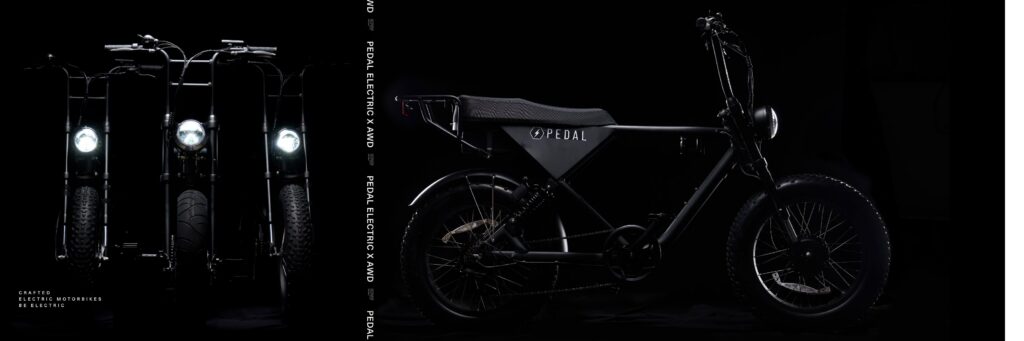
The core lineup includes four main models: the S/T (a step-through frame marketed for everyday use, carrying kids, or beach trips), the H/T, the CORE 3.0, and the AWD [S] with an upgraded AWD [S+] version. Each model comes in multiple color options like Onyx Black, Bone White, Olive Green, Clay Red, and Midnight Blue, and most are also sold as “bundles” that pair the bike with accessories at a combined price point.
Speed and range vary noticeably across the lineup. The H/T and CORE 3.0 top out around 20-28 mph and 20-32 mph respectively, with range estimates of 50+ to 60+ miles depending on configuration. The AWD [S] and [S+] models push top speed to 20-36 mph, with range climbing to 80+ miles on the standard version and 120+ miles on the [S+] bundle. That’s a meaningful spread, and it means the “right” Pedal Electric bike really depends on whether you’re commuting five miles a day or trying to cover serious distance off-road.

Pricing Breakdown
Prices range from around $2,245 for a discounted H/T up to $4,445 for the AWD [S+] bundle before its listed discount brings it to $3,945. Nearly every model on the site currently shows some form of markdown, whether that’s $150 off, $250 off, $400 off, or $500 off depending on the bike. Bundles typically combine the base bike with eco-system accessories like racks or baskets, which nudges the price up but also adds functional value if you actually plan to haul cargo or kids.
The Album Surf Bundle stands out at $4,115 with no listed discount, currently on pre-order, aimed clearly at a niche audience, riders hauling surfboards or beach gear rather than general commuters. It’s a good example of how Pedal Electric segments its lineup by lifestyle rather than just spec sheet numbers.
The Eco System: Accessories That Actually Matter
One of the more interesting parts of the Pedal Electric offering is the “[eco] system,” described as a universal rack setup engineered to fit every model in the lineup. Instead of locking accessories to one bike, the eco system includes front racks, rear racks, in-frame baskets, panniers, mudguards, and even a “Roo Rest” and passenger handlebars for the S/T model specifically.
Pricing on these accessories ranges from $30 for safety bars up to $250 for the larger front and basket options, with most items landing in the $150-$220 range. Several eco system accessories, particularly ones tied to the S/T model, are listed as pre-order with a “Late September” shipping window, so buyers hoping for an accessory add-on right away should check current stock before assuming instant fulfillment.
What makes this system worth mentioning is the flexibility angle. A single rack or basket design that fits across the H/T, CORE 3.0, and AWD models means owners aren’t stuck re-buying brand-specific accessories if they upgrade bikes later. That’s a small thing on paper but it matters for people who tend to keep gear across multiple bike purchases, especially families with more than one rider in the household.
Real-World Feedback From Riders
The customer reviews featured on the site give a decent sense of who’s actually buying these bikes and why. One reviewer, a larger rider at 6’2″ and 340 pounds, specifically called out that sizing and power concerns he had going in didn’t materialize once he got the bike, noting the torque and speed kept up with traffic in his town. That’s a relevant data point for anyone who has been burned by e-bikes that undersell their weight capacity or torque specs.
Another reviewer bought the CORE model as a family bike, mentioning that a Thule kid seat attached to the rear rack without issue and that setup was simple. A third reviewer compared the AWD [S] to a competing brand’s RX model before going with Pedal Electric, citing the dual motor and battery upgrade as deciding factors for distance riding both on and off road. A fourth review focused on the CORE model’s stability for two riders, describing daily beach rides with a partner as a highlight of ownership. None of these reviews read as overly polished marketing copy, and the recurring themes, easy accessory setup, adequate power for heavier riders, and comfort for two passengers, line up with the actual spec claims made elsewhere on the site.
Financing, Service, and Sustainability Claims
Pedal Electric offers a “Ride Now, Pay Later” financing option with 0% APR available for up to two years, along with a broader “$0 Down” messaging on the homepage. For a purchase category where bikes routinely run $2,000 to $4,500, that financing option matters more than it might for a cheaper impulse buy. It lowers the barrier for someone who wants the AWD [S+] bundle but doesn’t want to pay $3,945 upfront.
On the service side, the company points customers to a nationwide network of service centers searchable by zip code, which is a meaningful convenience for a product that will eventually need tune-ups, battery service, or repairs. E-bikes bought purely online with no local service option can become expensive paperweights the moment something breaks, so this network is worth confirming coverage in your specific area before buying.
The site also states that Pedal Electric is “the first e-bike company to go climate positive and ocean positive,” though no further detail, certification body, or methodology is provided on the page itself. It’s a bold claim worth appreciating at face value, but buyers who care deeply about sustainability credentials might want to look for more specifics before treating it as a primary purchase driver.
Who Should Buy a Pedal Electric Bike
If you’re a commuter or a parent who wants a bike that can carry cargo, kids, or beach gear without a complicated accessory hunt, the S/T or CORE 3.0 models look like a reasonable fit based on the reviews and rack compatibility described. Riders who want more speed and off-road capability, particularly those covering longer distances, are better served by the AWD [S] or [S+] bundles given their higher top speeds and extended battery range.
People who should probably look elsewhere are those who need a bike immediately and can’t tolerate a “Late September” shipping window, since several models and accessories are currently listed as pre-order. Buyers who want extensive third-party sustainability documentation beyond a single homepage claim may also want to dig further before treating the climate positive messaging as a deciding factor.

Bottom Line
Pedal Electric’s biggest strength is variety. Between four core models, multiple color options, a universal accessory system, and financing that actually lowers the upfront cost barrier, there’s a configuration here for commuters, families, and off-road riders alike. The customer reviews reinforce that the bikes perform reasonably well for heavier riders, two-passenger setups, and cargo hauling, which are common pain points in the e-bike market.
That said, the pre-order status on several items and the light detail behind the sustainability claims are worth factoring into your decision timeline and expectations. If you’re comparing this brand against other direct-to-consumer e-bike companies, the real question is whether the speed and range specs on the AWD models justify the jump in price over the more modest H/T and CORE 3.0 options, or whether a mid-tier bike covers your actual riding needs just fine.
Frequently Asked Questions
What models does Pedal Electric offer?
The lineup includes the S/T step-through model, the H/T, the CORE 3.0, and the AWD [S] with an upgraded AWD [S+] version. Most models are also available as bundles that include eco-system accessories like racks or baskets.
How fast do Pedal Electric bikes go?
Top speeds vary by model, ranging from 20-28 mph on the H/T and S/T up to 20-36 mph on the AWD [S] and [S+] models. The CORE 3.0 sits in between at 20-32 mph.
What is the battery range on these e-bikes?
Range depends on the specific model and bundle. Standard configurations start around 50+ to 60+ miles, while the AWD [S+] bundle claims 120+ miles on a single charge.
Does Pedal Electric offer financing?
Yes, the company advertises a “Ride Now, Pay Later” option with 0% APR available for up to two years, along with $0 down messaging for qualifying buyers.
What is the [eco] system?
The [eco] system is Pedal Electric’s universal rack and accessory platform designed to fit across all of their bike models. It includes front and rear racks, in-frame baskets, panniers, mudguards, and model-specific add-ons like the S/T Roo Rest.
Are the bikes suitable for larger or heavier riders?
Based on customer feedback featured on the site, at least one reviewer at 6’2″ and 340 pounds reported the bike handled his size and power needs without issue. Individual results may vary depending on the specific model chosen.
Can I fit a child seat on a Pedal Electric bike?
One customer review mentions successfully attaching a Thule kid seat to the rear rack of the CORE model. This suggests compatibility with standard third-party child seats, though it’s worth confirming specific rack compatibility before purchasing.
Is there a service network for repairs?
Pedal Electric provides access to a nationwide network of service centers that customers can locate using their zip code. This is intended to support maintenance and repairs after purchase.
When do pre-order items ship?
Several bikes and accessories, including some S/T eco system items, are listed with a “Late September” shipping timeframe. Buyers should check current stock status before purchasing if immediate delivery is a priority.
What does “climate positive and ocean positive” mean for this brand?
Pedal Electric states on its site that it is the first e-bike company to achieve both climate positive and ocean positive status. The page does not provide additional certification details, so buyers wanting more information should reach out directly to the company.