Updated on October 14, 2026
TLDR
Public Goods delivers clean, minimalist everyday essentials with transparent ingredient labeling, though the membership model means you need to shop often enough to justify the annual fee.
- What it is: An online retailer selling bath, body, home, and cleaning products with sustainability-focused branding
- Who it’s for: People who want to consolidate household shopping under one brand with clear ingredient transparency
- Top strength: Clear labeling system flagging cruelty-free, paraben-free, sulfate-free, and vegan-friendly formulas
- Main limitation: The membership fee only pays off if you’re a frequent, high-volume shopper
- Quick verdict: Solid option for eco-conscious households ready to commit to a membership structure
Jump to:
- TLDR
- Introduction
- What Public Goods Actually Sells
- The Membership Model
- Pricing and Value
- Who Should Shop Here (and Who Shouldn’t)
- Bottom Line
- Frequently Asked Questions
- Is Public Goods membership worth it?
- Does Public Goods offer free shipping?
- What products does Public Goods sell?
- Are Public Goods products vegan and cruelty-free?
- Can I buy refills instead of full-size bottles?
- How much does Public Goods membership cost?
- Does Public Goods have a subscription option?
- Does Public Goods sell products for businesses?
Introduction
Finding household products that don’t require a chemistry degree to decode the label has become its own small obsession for a lot of shoppers. Between greenwashed marketing and ingredient lists that read like a science exam, it’s genuinely hard to know what you’re bringing into your home. Public Goods positions itself as the antidote to that confusion, selling everything from dish soap to shampoo to cutting boards under one roof with a simplified labeling system.
But does a membership-based essentials brand actually make sense for the average household, or is it another subscription that sounds great until you forget to use it? We dug into what Public Goods actually offers, how its membership math works out, and where it shines versus where it might leave certain shoppers wanting more.
What Public Goods Actually Sells
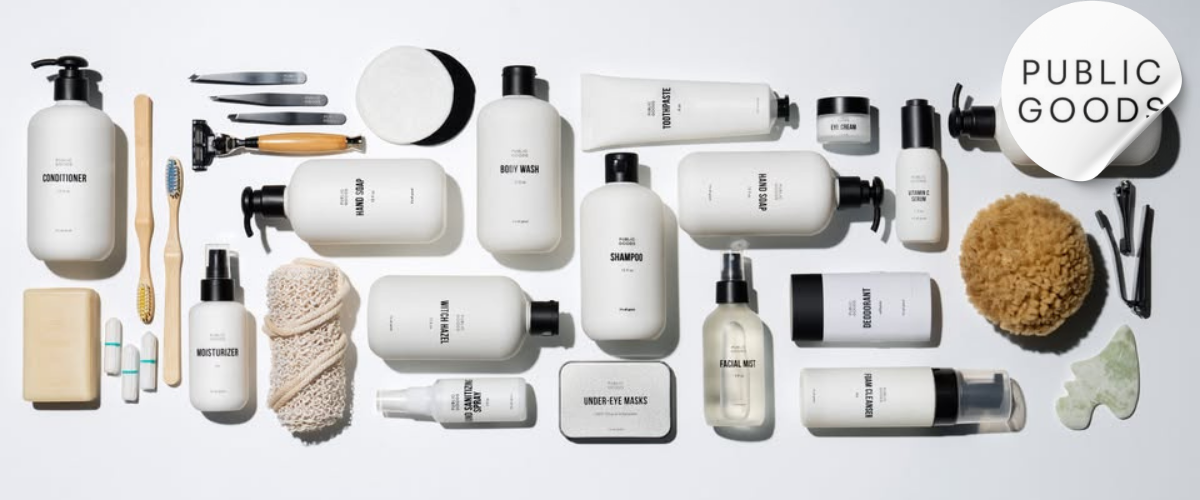
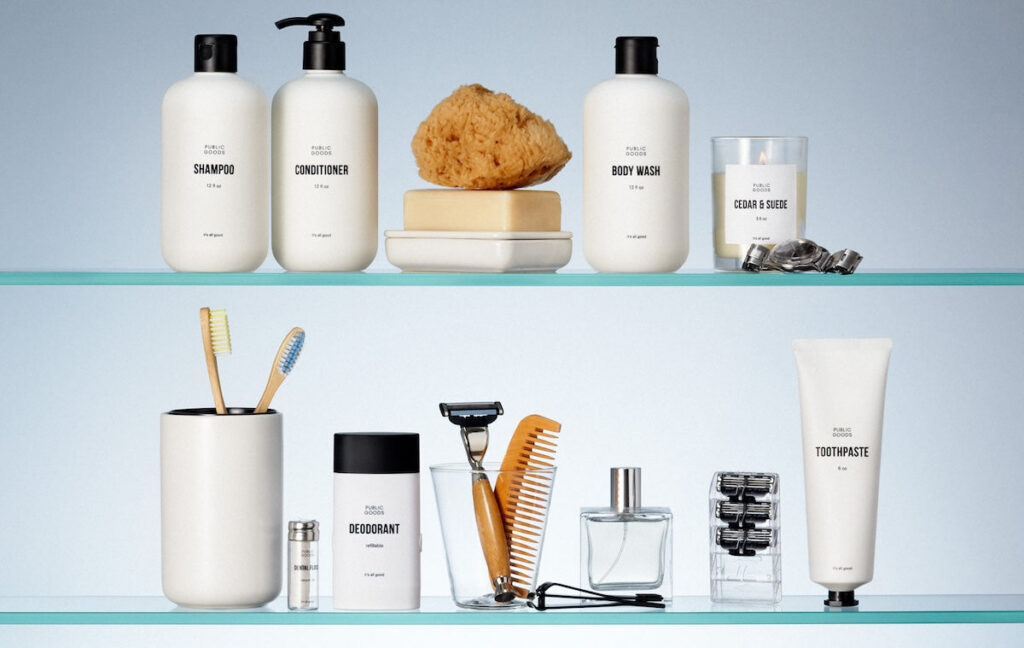
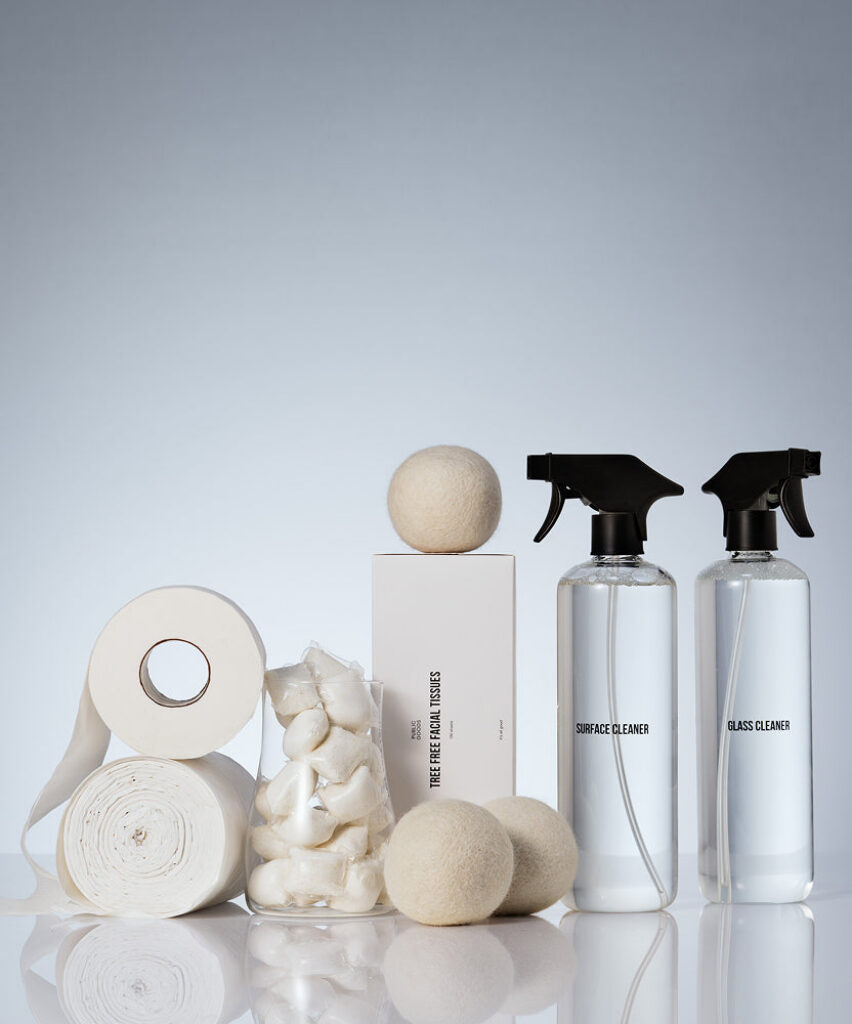
Public Goods operates as a one-stop shop for everyday essentials, organizing its catalog into four main buckets: Bath & Body, Home, Cleaning, and Bundles. Within Bath & Body, you’ll find body care, hair care, skincare, dental care, menstrual care, and tools. The Home category covers kitchen, dining, bedroom, bathroom, and decor items, plus a food section. Cleaning rounds things out with dish soap, laundry products, floor and surface cleaners, garbage bags, and a notable tree-free paper goods line that includes paper products made without trees.
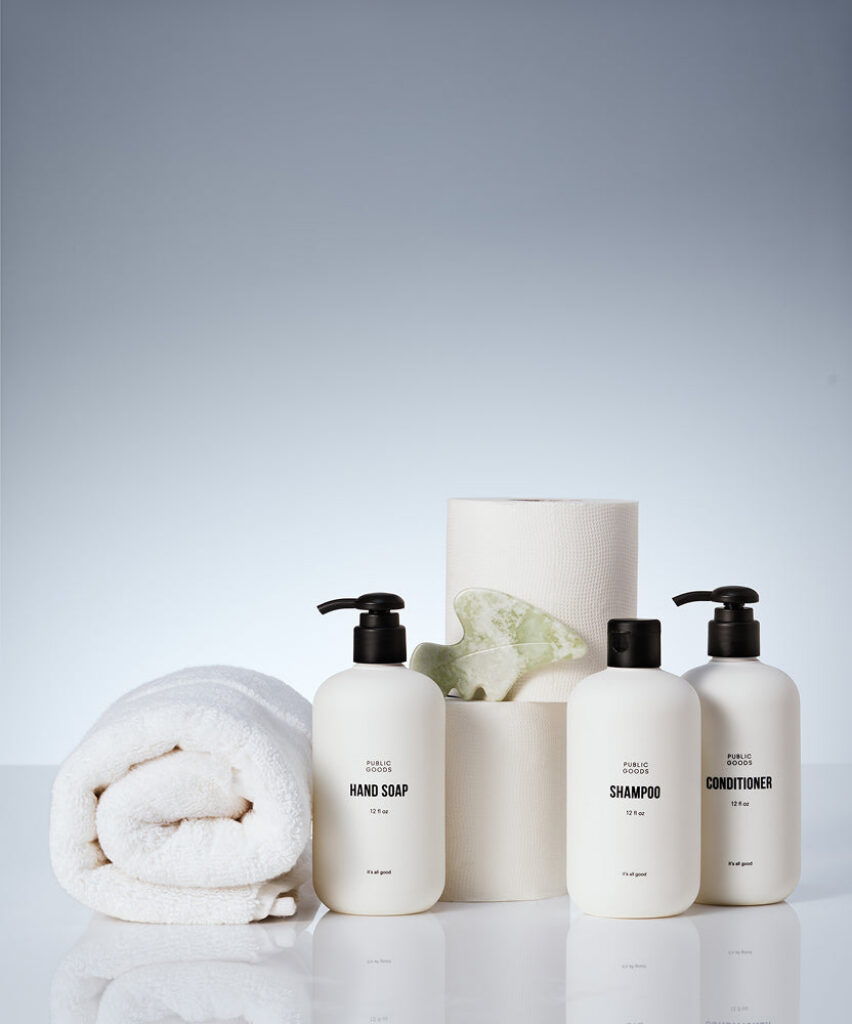
The product mix leans heavily into refillable formats. Items like hand soap, shampoo, conditioner, lotion, and body wash all come with refill options in larger sizes, which is a nice touch for anyone trying to cut down on plastic waste over time. You can buy the full-size bottle alone, the refill alone, or bundled sets that pair a dispenser with a refill. This refill infrastructure suggests the company is thinking beyond a single purchase and toward repeat, lower-waste buying habits.
The Labeling System
One of the more practical features is the icon-based labeling system stamped across product pages. Shoppers can quickly spot whether something is Cruelty Free, Gluten Free, made with Natural Fragrance, Paraben Free, Sulfate Free, or Vegan Friendly. This kind of at-a-glance labeling removes a lot of the guesswork that usually comes with reading a full ingredient panel, especially for people shopping on a phone during a lunch break rather than researching at a desk.
That said, labeling systems are only as useful as their consistency, and from what’s visible on the site, not every product displays every tag equally clearly. Shoppers who care deeply about specific exclusions, like fragrance-free formulas, will want to double check each product page individually since fragrance-free versions exist for some items like lotion, shampoo, and conditioner but aren’t the default option.
The Membership Model
Public Goods runs on a membership structure priced at $65 per year, which unlocks 20% off everything, free shipping on all US orders, an $80 yearly credit, and access to exclusive offers. There’s also a payment option that splits the cost into smaller chunks, roughly $20 upfront and then $20 every three months, which lowers the barrier to entry for people hesitant to pay a lump sum.
Non-members can still shop the site, but they’ll face a shipping threshold, as the cart indicated being a certain dollar amount away from free shipping during our research. This dual pricing structure is common in membership retail, but it does mean casual shoppers who only buy a few items a year might end up paying more in shipping fees than they would spend on the membership itself, depending on order frequency.
The math here actually works out reasonably well for regular buyers. If you’re already planning to spend more than $65 a year on household basics, the 20% discount alone likely covers the membership cost within the first couple of orders, and the $80 credit sweetens the deal further. For infrequent shoppers who might place one order every few months, the non-member route with occasional shipping fees could end up being the more economical path.
Subscription Alternative
Separate from the annual membership, Public Goods also offers a subscribe and save program that knocks up to 15% off individual orders, with the flexibility to skip or cancel shipments anytime. This is a lighter-commitment option for people who want recurring savings on specific items like dish soap or shampoo without signing up for the full membership tier. New subscribers can also get 10% off their first order through email sign-up, which is a nice entry point for testing the waters.
Combining membership perks with subscription savings doesn’t appear to stack in an obvious way based on the site structure, so shoppers will need to decide which model fits their buying habits better rather than assuming they can layer both for maximum savings.
Pricing and Value
Pricing across the catalog sits in the mid-range for natural and sustainably positioned products. Dish soap runs $9.95 for a 16 fl oz bottle, which earned recognition as an HGTV award winner according to the product badge. Hand soap starts at $14.95 for a 12 fl oz full-size bottle and scales up to $29.95 for a 34 fl oz refill. Shampoo and conditioner follow similar pricing, with full sizes at $19.95 and refills at $37.95. A shower essentials set bundles multiple items for $49.95, and an eco-friendly cutting board is priced at $49.95 as a standalone home item.
These prices land comfortably in the same range as other mid-tier personal care and home brands, not dramatically cheaper but not wildly expensive either. The value proposition really hinges on the membership discount. Without it, you’re paying standard rates for nice-looking, well-labeled products. With the 20% membership discount applied, the pricing becomes noticeably more competitive, which is likely the intended structure.
Customer Reviews and Ratings
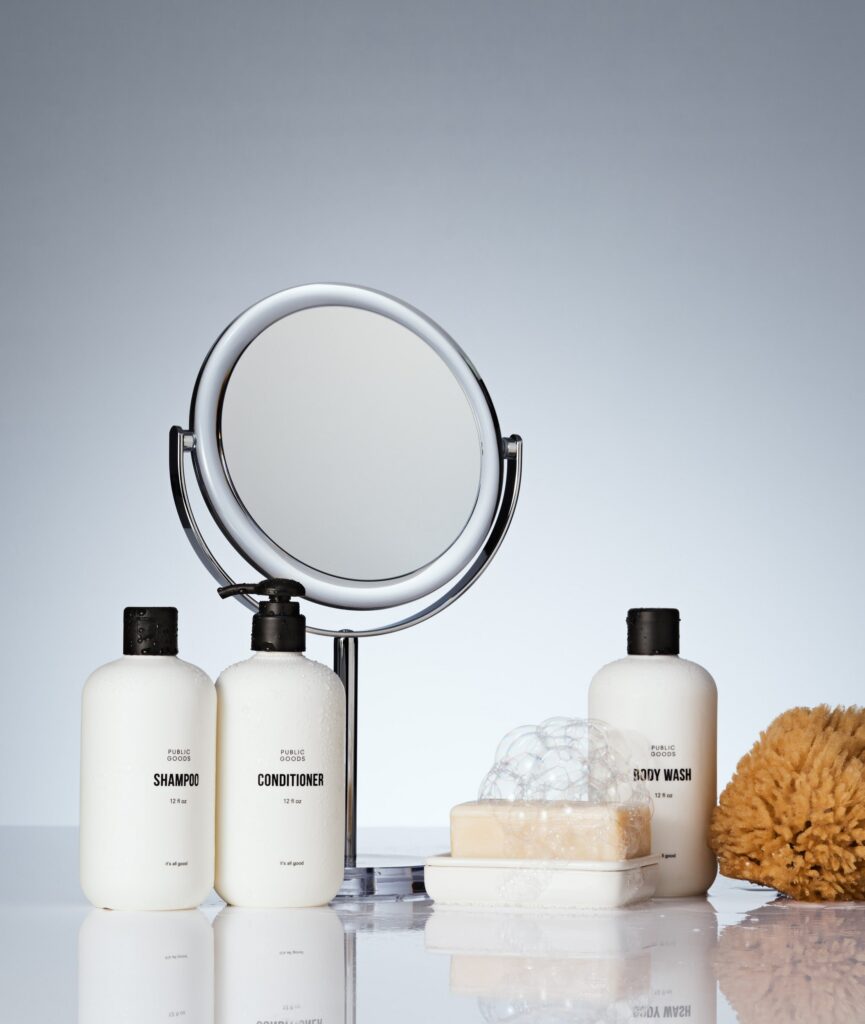
Star ratings on individual products are generally strong, with hand soap sitting at 4.7 out of 5 across nearly 700 reviews, shampoo at 4.6 out of 5 with over 900 reviews, and body wash at 4.7 out of 5 with roughly 680 reviews. These are healthy sample sizes that suggest a consistent customer base rather than a handful of cherry-picked testimonials.
Written feedback mentioned in the site content echoes this consistency. One reviewer praised the hand soap’s lather and gentle feel, describing it as a staple in their home. Another customer highlighted the simplicity and ease of cleaning for a french press, while a third mentioned switching to Public Goods dish soap specifically to avoid harsher chemicals found in other brands. The recurring theme across these mentions is gentleness and reliability rather than dramatic transformation, which tracks with what you’d expect from everyday household basics.
Who Should Shop Here (and Who Shouldn’t)
Public Goods makes the most sense for households that do regular, recurring purchases of personal care and cleaning basics and want to consolidate that shopping under one brand with transparent labeling. If you’re the type of shopper who already buys dish soap, shampoo, and hand soap online rather than at a big box store, the membership math likely works in your favor, especially once you factor in the yearly credit and free shipping.
People who should probably look elsewhere include very infrequent online shoppers who might only place one or two orders a year, since the membership fee may not pencil out compared to just paying standard shipping occasionally. Shoppers with highly specific allergy or sensitivity needs should also verify fragrance-free options carefully on each product page rather than assuming blanket availability, since fragrance-free isn’t the default across every item.
There’s also a business-facing side to Public Goods, serving properties like hotels with wholesale pricing up to 50% off retail and claiming over 5,000 properties as customers. This suggests the brand has built some credibility beyond individual household sales, which can be a reassuring signal for consumers wondering about overall product quality and supply reliability.
Bottom Line
Public Goods succeeds at what it set out to do: simplify household shopping with clearly labeled, consistently rated products spanning bath, body, home, and cleaning categories. The refill program is a genuine plus for anyone trying to reduce packaging waste, and the labeling icons make quick decision-making easier than parsing a full ingredient list every time. The membership structure, while potentially confusing at first glance with its multiple payment options and credit system, does offer real value for shoppers who buy consistently throughout the year.
Where things get murkier is for casual or occasional shoppers trying to decide between membership, subscription, or one-off purchases. The site doesn’t make it immediately obvious which path saves the most money for lighter buying patterns, and that ambiguity could lead some shoppers to either overpay for a membership they underuse or miss out on savings they’d otherwise qualify for. If you’re on the fence, the smartest move is probably to track your actual annual spending on these categories first and then decide which pricing structure fits. Will the membership model continue to make sense as more competitors enter the sustainable essentials space with simpler, no-commitment pricing?
Frequently Asked Questions
Is Public Goods membership worth it?
It depends on how often you shop for household and personal care items online. If your annual spending on these categories exceeds roughly $65, the 20% discount and $80 yearly credit likely make the membership pay for itself fairly quickly. Infrequent shoppers may find the non-member route with occasional shipping costs more economical.
Does Public Goods offer free shipping?
Members receive free shipping on all US orders regardless of order size. Non-members need to reach a minimum order threshold to unlock free shipping, with the cart displaying how much more is needed to qualify.
What products does Public Goods sell?
The catalog spans Bath & Body items like body care, hair care, skincare, and dental products, Home essentials including kitchen and dining goods, and Cleaning products such as dish soap, laundry items, and tree-free paper goods. Bundles combine multiple items for convenience, and a Surplus section offers discounted stock.
Are Public Goods products vegan and cruelty-free?
Many products carry labels indicating Cruelty Free and Vegan Friendly status, along with other tags like Gluten Free, Paraben Free, and Sulfate Free. These labels appear on individual product pages, so it’s worth checking each item specifically since not all tags apply universally across the catalog.
Can I buy refills instead of full-size bottles?
Yes, several personal care items including hand soap, shampoo, conditioner, lotion, and body wash offer refill options in larger sizes like 34 fl oz. You can purchase refills alone or as part of a bundle with the original dispenser.
How much does Public Goods membership cost?
Membership is priced at $65 per year, with an installment option available that splits the cost into an initial payment followed by quarterly charges. The membership includes 20% off all purchases, free shipping, and an $80 yearly credit.
Does Public Goods have a subscription option?
Yes, separate from the annual membership, a subscribe and save program offers up to 15% off recurring orders with the ability to skip or cancel shipments at any time. This works well for people who want ongoing savings on specific items without committing to the full membership.
Does Public Goods sell products for businesses?
Yes, Public Goods has a wholesale arm serving businesses like hotels and other properties, offering pricing up to 50% off retail. The company states it’s trusted by over 5,000 properties for guest amenities and supplies.