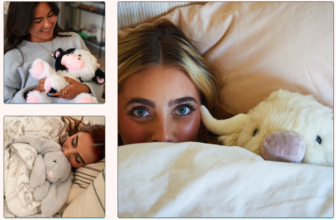
TLDR
- What it is: a direct-to-consumer bedding company specializing in cooling comforters, sheets, pillows, pajamas, and accessories built with its Evercool fabric technology
- Who it’s for: hot sleepers, people dealing with night sweats, menopause-related overheating, or anyone who just wants a bed that doesn’t feel like a sauna by 2 a.m.
- Top strength: independently verified cooling performance backed by a SleepScore Labs study and third-party fabric testing rather than just marketing copy
- Main limitation: cooling bedding at this level sits at a premium price point, even with the frequent sales the brand runs
- Quick verdict: if you’ve tried bamboo or cotton cooling sheets and been underwhelmed, Rest’s Evercool line is worth a serious look
Introduction
Anyone who has spent a summer flipping their pillow to the “cool side” every twenty minutes knows the frustration of shopping for cooling bedding. The category is flooded with products that slap the word “cooling” on standard cotton or bamboo blends and call it a day, leaving buyers to wonder if any of it actually works or if it’s all just clever packaging.
Rest positions itself differently by leaning hard into the science side of the equation, publishing third-party test results and even commissioning a SleepScore Labs study on its flagship comforter. That’s a meaningfully different approach than most bedding brands take, and it raises the obvious question: does the performance actually match the pitch, or is this just a more sophisticated version of the same marketing playbook?
What Rest Is and Who It’s For
Rest is a bedding company built entirely around one core innovation: a fabric it calls Evercool, which the brand describes as engineered to absorb and release heat faster than traditional textiles. According to the site, the fabric is thinner than a human hair, cooler to the touch than cotton, and smoother than silk, and it forms the basis for the brand’s entire product lineup, which spans comforters, sheet sets, starter sheet sets, pillowcases, flat and fitted sheets, pillows, pajamas, and even an eye mask.
The target customer is pretty clearly the chronic hot sleeper. That includes people who run warm naturally, couples where one partner overheats and the other doesn’t, people going through menopause and dealing with night sweats, and anyone living somewhere without reliable air conditioning during summer months. The brand also markets itself as suitable for allergy sufferers, noting that its products are hypoallergenic and OEKO-TEX certified, which matters if sensitive skin has kept you away from synthetic-feeling cooling fabrics in the past.
The Science Behind the Cooling Claim
Rest doesn’t just say its fabric is cooling and leave it there. The site references a specific metric called Qmax, which measures how quickly a fabric conducts heat away from the skin on contact, and claims Evercool scores among the highest values in the category. That’s a meaningfully more specific claim than most competitors make, and it’s backed up by dedicated pages on Rest Labs and third-party test results that walk through the testing methodology.
The brand also commissioned an independent study through SleepScore Labs analyzing over 1,000 nights of sleep with the Evercool comforter. The reported results are genuinely impressive if accurate: 97% of participants found the cooling sensation better than a regular comforter, 94% reported improved overall sleep quality, and 88% experienced noticeably better temperature regulation. Those numbers carry more weight than a typical five-star review count because they come from a structured study rather than self-selected testimonials, though it’s worth remembering the study was commissioned by Rest itself.
Key Features Worth Knowing About
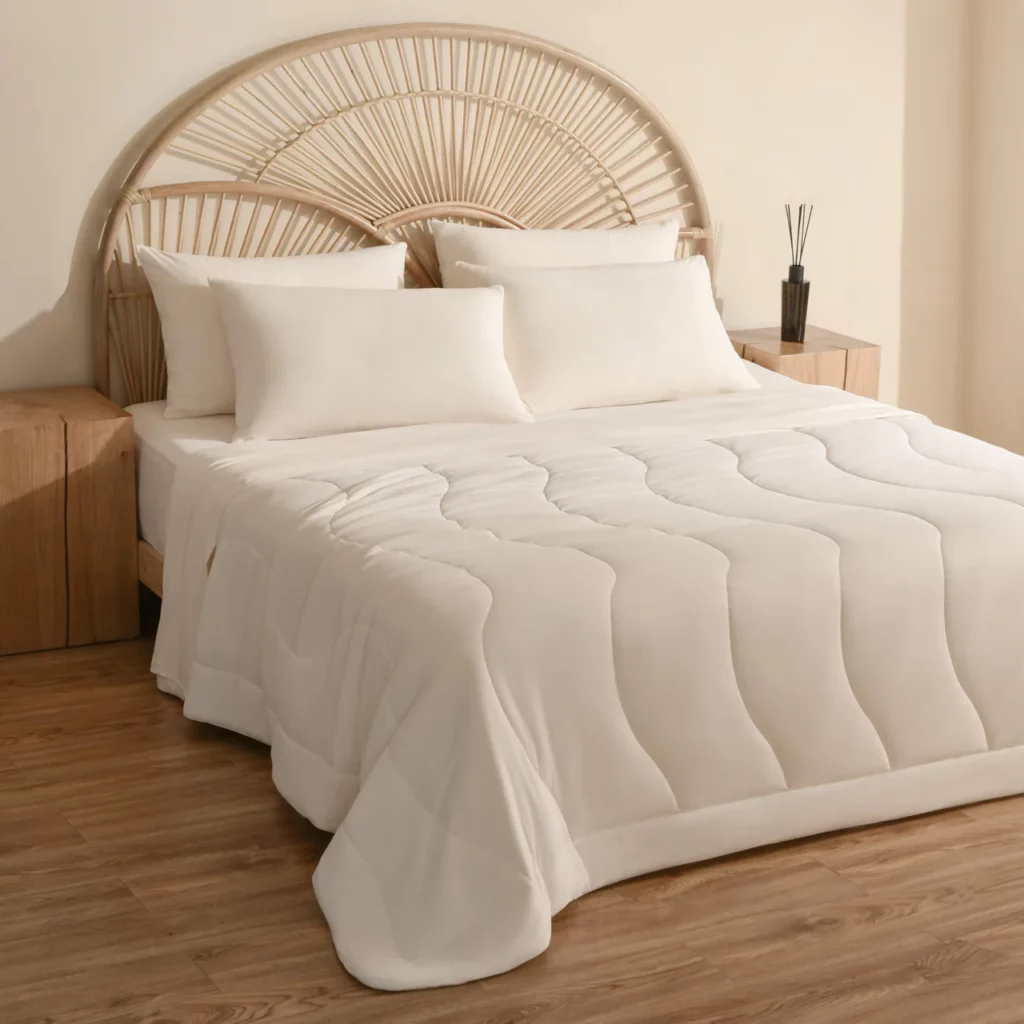
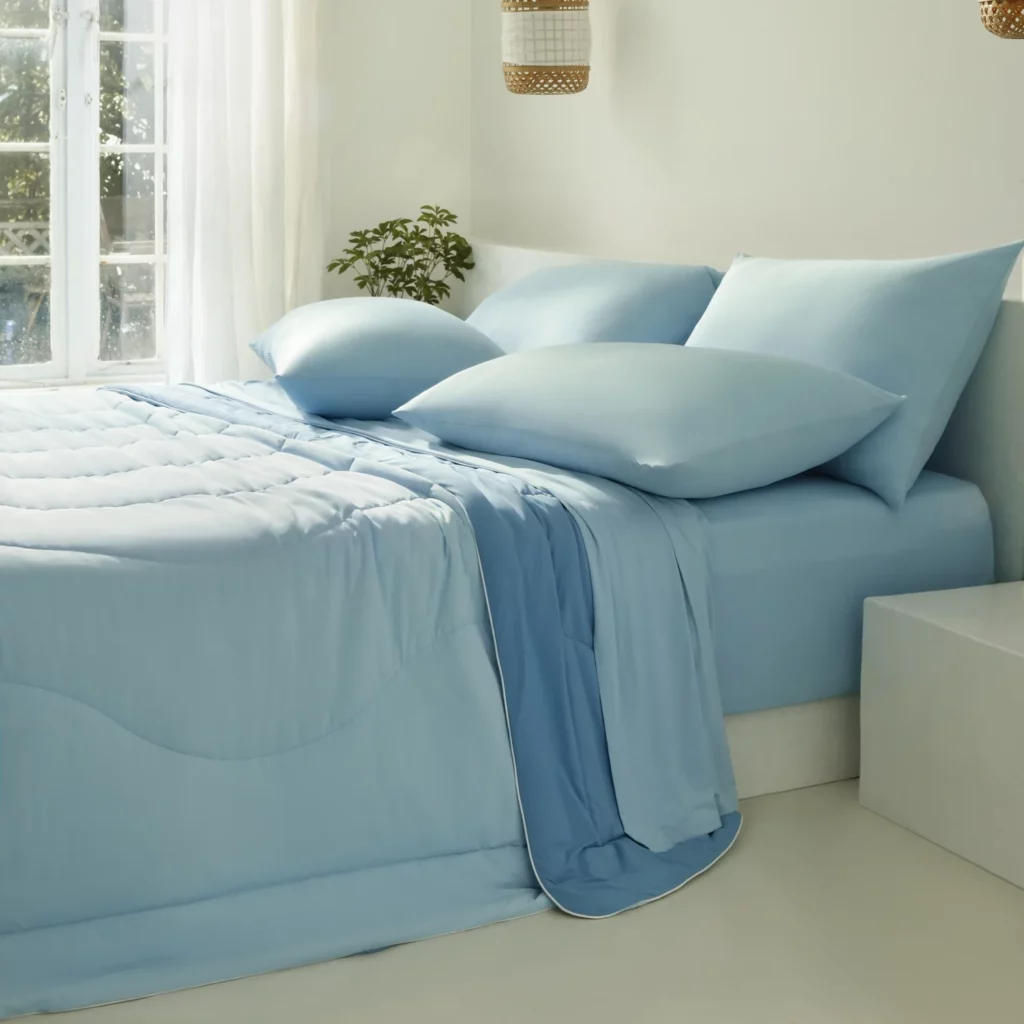
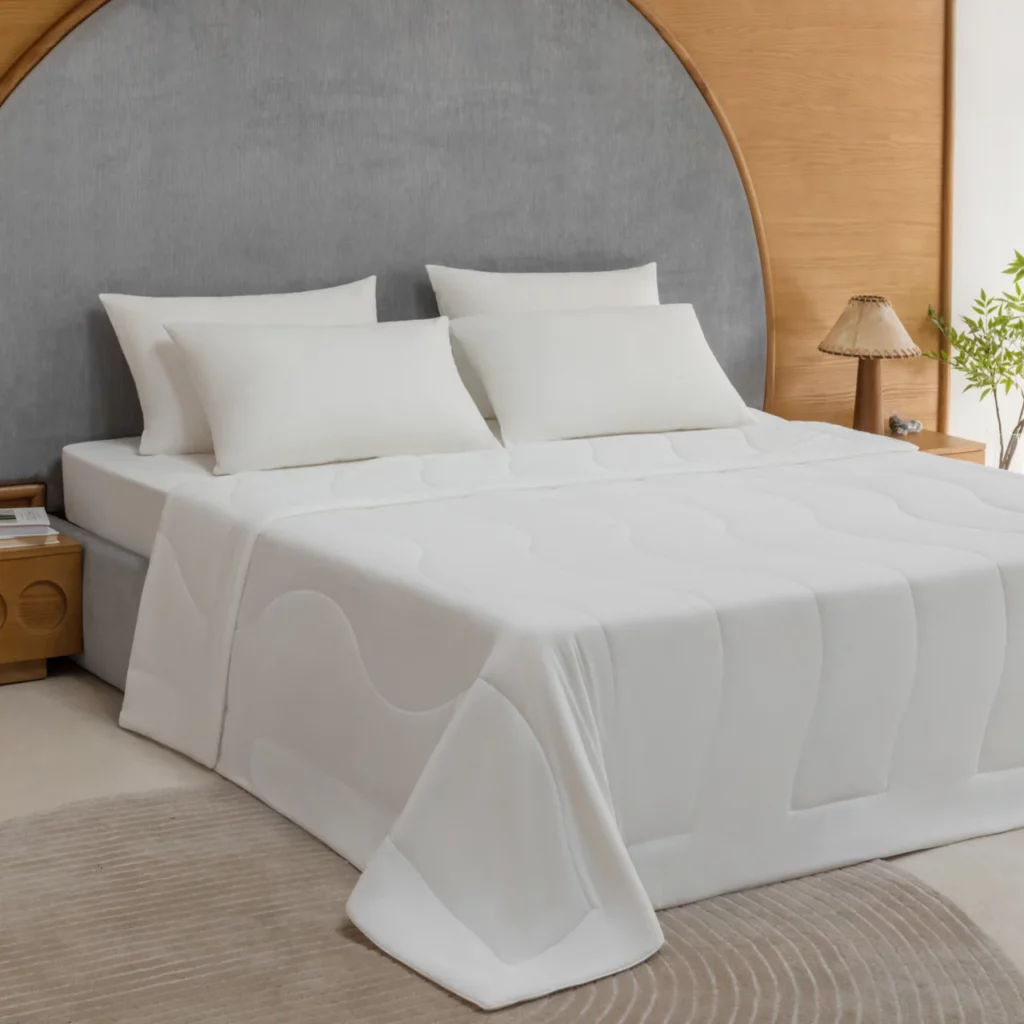
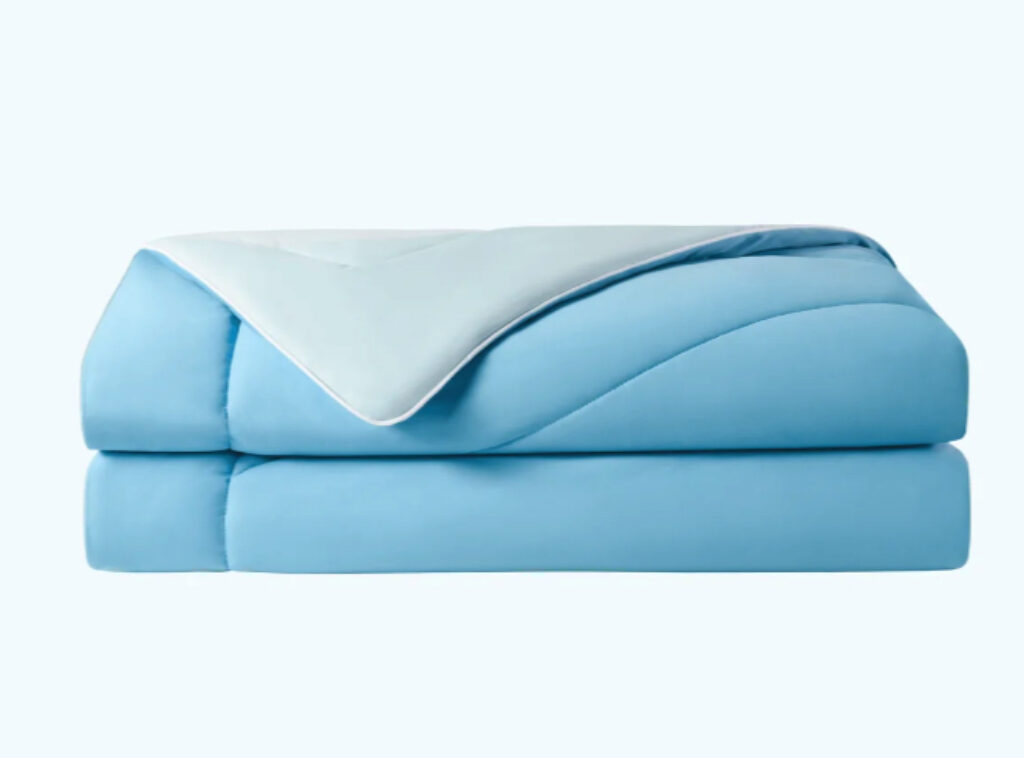
The flagship product is the Evercool Comforter, which comes in multiple colorways including Aqua Blue, Arctic White, Cool Gray, Lavender Breeze, Snow Ivory, and Midnight Blue. It’s currently priced around $149 during the site’s sale event, down from a listed $199, and the product page frames it as the brand’s best-seller with a 4.8 average rating. The sheet sets follow a similar pattern, with the full Evercool+ Sheet Set (a four-piece set) running about $201 down from $269, and a lighter three-piece Starter Sheet Set priced around $134 down from $179 for people who want to try the fabric without committing to a full bedroom refresh.
Beyond the core sheets and comforter, Rest has expanded into a fairly complete sleep ecosystem: a cooling pillow, standalone pillowcases, pajama sets in both pants and shorts styles, and a cooling eye mask. The pajama line in particular reads as an interesting extension since it applies the same fabric logic to sleepwear rather than just bedding, which makes sense if the goal is genuinely regulating body temperature through the night rather than just the surface you’re lying on.
Real-World Experience Patterns
Based on the customer feedback highlighted throughout the site, a few consistent themes show up. People repeatedly mention falling asleep faster and staying asleep through the night without the usual mid-sleep wake-ups from overheating. Several reviews specifically call out relief from hot flashes and night sweats, which lines up with the brand’s messaging around menopause-related sleep disruption. One recurring detail worth noting is that customers describe the cooling effect as immediate on contact rather than something that kicks in gradually, which matches the Qmax testing claims about instant heat conduction.
There’s also a pattern of people buying the comforter first and then coming back for the sheets and pillow once they’re convinced the technology works, rather than buying the whole set upfront. That’s a reasonable way to test the waters if you’re skeptical, and it also explains why the starter sheet set exists as a lower-commitment entry point into the full sheet experience.
Pricing and Value
Rest runs frequent sales, with the current promotion advertising up to 40% off sitewide along with tiered free gifts, including free pillowcases on orders over $249 and a free flat sheet on orders over $599. Even at sale pricing, this sits in the premium bedding tier rather than the budget category, but the brand backs that pricing with a 30-night return window and a one-year warranty, which gives buyers a reasonable safety net if the product doesn’t perform as expected once it’s actually on the bed.
One detail that stands out is HSA/FSA eligibility, which effectively lowers the real cost for anyone with access to those accounts since the purchase can be made with pre-tax dollars. The site also runs a rewards program with points earned per dollar spent and a refer-a-friend program offering discounts to both parties, so repeat customers or people willing to bring in referrals can chip away at the price over time.
Who Should Buy and Who Should Skip It
This is a strong fit for people who have already tried and been disappointed by bamboo, silk, or standard “cooling” cotton blends and are looking for something with actual data behind the performance claims. It’s also a solid pick for anyone dealing with night sweats or hormonal temperature swings who needs consistent relief rather than a one-night novelty. The HSA/FSA eligibility makes it particularly appealing for buyers who have those funds sitting unused.
On the flip side, if you’re someone who sleeps cold most of the year or lives somewhere with consistently mild nighttime temperatures, this may be more cooling power than you actually need, and a standard breathable cotton set would probably serve you fine at a lower price. Budget-conscious shoppers who can’t catch one of the sale windows might also find the full-price tags harder to justify compared to more generic cooling bedding options on the market.
Bottom Line
Rest earns credit for backing its cooling claims with actual third-party testing and a commissioned SleepScore Labs study rather than relying purely on marketing language, and the fabric science behind Evercool does seem to translate into the kind of real-world results hot sleepers are searching for. The product lineup has grown into a fairly complete system covering comforters, sheets, pillows, and even sleepwear, which suggests the brand is confident enough in the core technology to build an entire ecosystem around it.
The price point remains the biggest consideration, and while the frequent sales and HSA/FSA eligibility soften that somewhat, this isn’t a purchase for someone shopping strictly on budget. For chronic hot sleepers or anyone dealing with night sweats who has struck out with cheaper cooling alternatives, Rest looks like one of the more credible options in a category full of overhyped claims. The open question is whether the cooling performance holds up as consistently after a year or two of regular washing, which is something only long-term owners will really be able to answer.
Frequently Asked Questions
What makes Rest’s Evercool fabric different from other cooling bedding?
Evercool reportedly has one of the highest Qmax scores in the category, meaning it conducts heat away from the body faster than typical cooling fabrics like bamboo or silk. The brand states it stays cool without relying on added chemicals or cooling coatings that can wear off over time.
Is Rest bedding good for people with allergies?
Yes, according to the brand’s product information, the Evercool line is hypoallergenic and OEKO-TEX certified, which is a recognized standard for textiles tested against harmful substances. This makes it a reasonable option for people with sensitive skin who have avoided synthetic-feeling cooling fabrics in the past.
Does the cooling effect wear off after washing?
Rest states that the cooling property is built into the fabric structure itself rather than applied as a topical treatment, so it shouldn’t degrade the way chemical cooling additives do after repeated washes. That said, independent long-term testing over multiple years isn’t something the brand’s site provides data on.
Can Rest bedding be used year-round or just in summer?
The brand markets the Evercool Comforter as suitable for all seasons, claiming it provides cooling relief in warm months while still offering comfort in cooler weather. This versatility is part of why it’s positioned as a single comforter solution rather than a seasonal swap-out product.
How much does Rest bedding cost?
Pricing varies by product, with the Evercool Comforter around $149 and the full Evercool+ Sheet Set around $201 during current promotional pricing, down from regular prices of $199 and $269 respectively. The brand runs frequent sales, so actual pricing fluctuates depending on ongoing promotions.
Is Rest bedding HSA or FSA eligible?
Yes, the site notes that its products qualify for HSA and FSA spending, which allows buyers to use pre-tax healthcare account funds toward the purchase. This can meaningfully reduce the effective cost for anyone with unused funds in those accounts.
What is Rest’s return and warranty policy?
Rest offers a 30-night return window along with a one-year warranty on its products. This gives buyers a reasonable trial period to test the bedding on an actual bed before committing long-term.
Does Rest help with night sweats or menopause-related overheating?
Customer feedback highlighted on the site frequently references relief from night sweats and hot flashes, and the brand specifically markets Evercool as a solution for moisture-wicking and quick-drying performance. It’s positioned as particularly useful for people experiencing hormonal temperature fluctuations, though results will vary by individual.
What products does Rest sell besides comforters and sheets?
Beyond the comforter and sheet sets, Rest offers a cooling pillow, standalone pillowcases, pajama sets in both pants and shorts styles, and a cooling eye mask. There’s also a bundle option that combines multiple products together at a discounted rate.
Is there scientific evidence backing Rest’s cooling claims?
Rest references third-party fabric testing using Qmax heat-conduction measurements and cites a SleepScore Labs study analyzing over 1,000 nights of sleep with its comforter. That study reported that 97% of participants found the cooling sensation better than a regular comforter and 94% reported improved sleep quality, though the study was commissioned by the brand itself.