
Updated on August 14, 2026
TLDR
Young Electric backs up its reputation with genuinely tough hitch racks and a fat-tire ebike that outperforms its price point. Just keep your order confirmation handy in case you ever need support.
- What it is: A California-based ebike and hitch-rack brand best known for its E-Scout Pro hunting/off-road ebike and a wide lineup of heavy-duty hitch racks
- Who it’s for: Hunters, campers, and fat-tire ebike owners who need a rack rated for 200+ lbs, plus budget-conscious riders who want an 80-mile range bike under $1,500
- Top strengths: Rack build quality and weight capacity draw consistent praise, and the E-Scout Pro’s range and power beat expectations for a sub-$1,500 bike
- Worth knowing: Support response times can vary, so it’s smart to buy through a retailer with its own return policy if that matters to you
- Quick verdict: Strong price-to-performance across both the bike and the racks.
Jump to:
- TLDR
- Introduction
- What Young Electric Actually Sells
- The E-Scout Pro: Features and Honest Commentary
- The Hitch Racks: Where Young Electric Actually Shines
- Real-World Experience Patterns
- Pricing and Value
- Who Young Electric Is Best For
- Good to Know Before You Buy
- Bottom Line
- FAQ
- Is Young Electric a legitimate ebike company?
- How much does the Young Electric E-Scout Pro cost?
- What is the real-world range of the E-Scout Pro?
- Are Young Electric hitch racks good for heavy ebikes?
- What’s the biggest complaint about Young Electric?
- Does the E-Scout Pro come assembled?
- Are Young Electric racks hard to assemble?
Introduction
Search “Young Electric review” and you’ll find a company earning genuine enthusiasm on two fronts. Hunters and campers are posting real reviews about an $1,399 fat-tire ebike that goes further than they expected, and owners of the brand’s hitch racks keep coming back with the same word: tank. This review pulls together what the company says about its own gear and what actual buyers, on Reddit, Trustpilot, Judge.me, Walmart, and independent bike-rack review sites, say after living with it.
What Young Electric Actually Sells
Young Electric is a San Marcos, California-based brand that sells direct-to-consumer through its own Shopify store, plus wider distribution through Walmart, Tractor Supply, and a handful of independent ebike retailers. The lineup centers on one flagship ebike, the E-Scout Pro, sold in several color and frame variants, alongside a genuinely deep catalog of hitch-mounted bike racks: over 20 SKUs by one count from a third-party review site. The racks have hundreds of verified reviews across platforms, and the bike is quickly building a track record of its own.
The company markets itself around hunting and off-road use, and the E-Scout Pro’s camo colorway and “blends into hunting environments” copy make that positioning explicit. The actual buyer base skews broader than that marketing frame though, with reviewers mentioning camping trips, general trail riding, and commuting, not just deer stands. Young Electric reads like a newer direct-to-consumer operation that found early traction with racks and is now building real momentum on the bike side too.

The E-Scout Pro: Features and Honest Commentary
Motor, Battery, and Range
On paper, the E-Scout Pro is a strong value: a 750W Bafang Sutto hub motor (peak output over 1,000W), a 960Wh removable LG battery, and a claimed range of up to 80 miles. It ships as a Class 2 bike but can be unlocked to Class 3, hitting 28 mph under pedal assist. That combination, big battery, name-brand motor, unlockable top speed, is genuinely competitive for a bike that regularly sells around $1,399 after its standard discount.
Real owners largely back up the range claims. One detailed owner account posted directly on the product page reported still having two of five battery segments left after 63 miles of mixed riding, mostly on PA1 with occasional PA4 for hills, which tracks reasonably close to the advertised figure. That same reviewer noted the jump between assist levels feels uneven, with almost no difference between PA1 and PA2, but a big leap from PA3 to PA4. It’s a minor detail, but if you’re the type who fine-tunes assist level constantly, it’s worth knowing.
Build, Comfort, and Assembly
Young Electric advertises the E-Scout Pro as 95% pre-assembled, and owner reviews largely confirm that setup is quick. Most describe attaching the front wheel and adjusting the handlebars as the only real work. The 26×4.0″ Kenda fat tires, hydraulic disc brakes, adjustable suspension fork, and Shimano 7-speed drivetrain are all solid, mid-tier component choices for the price point, and multiple hunters specifically praised the bike’s quiet operation for not spooking game.
A couple of practical notes from real riders: one Tractor Supply reviewer found the stock tires didn’t hold up as well against thorny ground cover like honeysuckle and hedge trees, worth knowing if your riding is mostly off-trail, and another owner wanted a more supportive saddle for long hunting rides. Neither is a dealbreaker, and both are the kind of detail that only comes from people who’ve actually ridden the thing through real brush rather than a parking lot.
The Hitch Racks: Where Young Electric Actually Shines
Sturdiness and Capacity
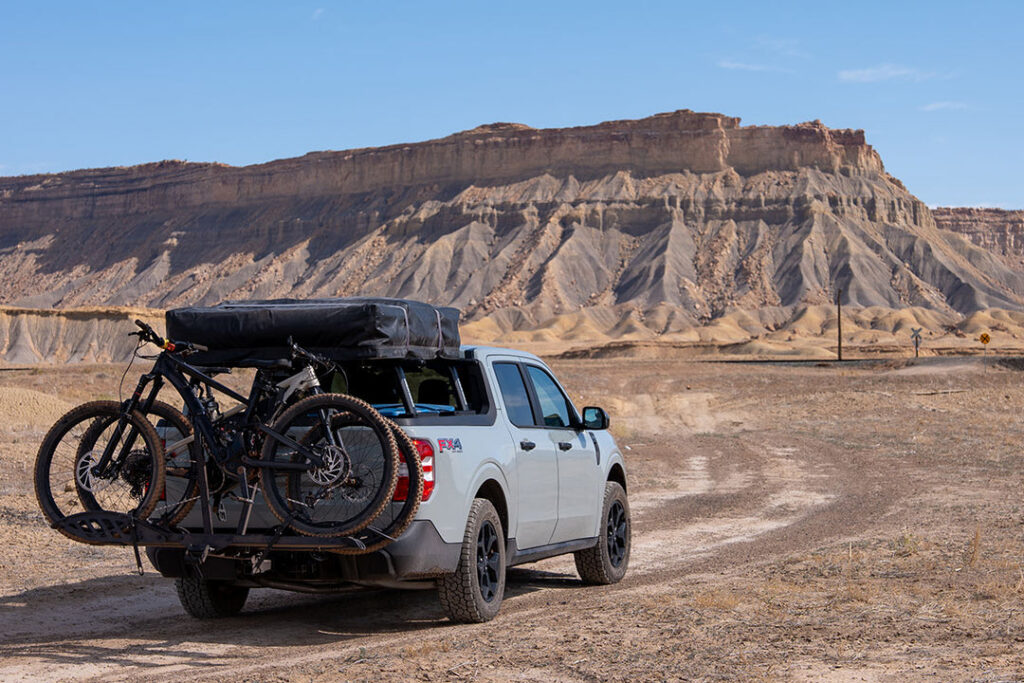
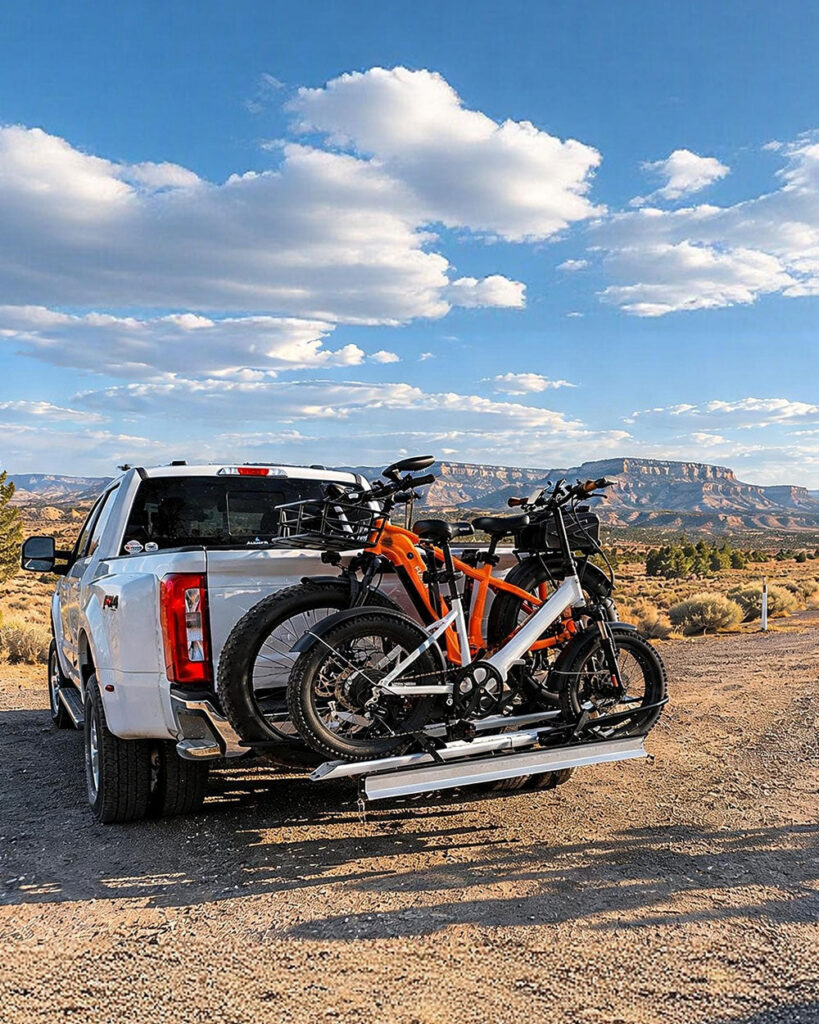
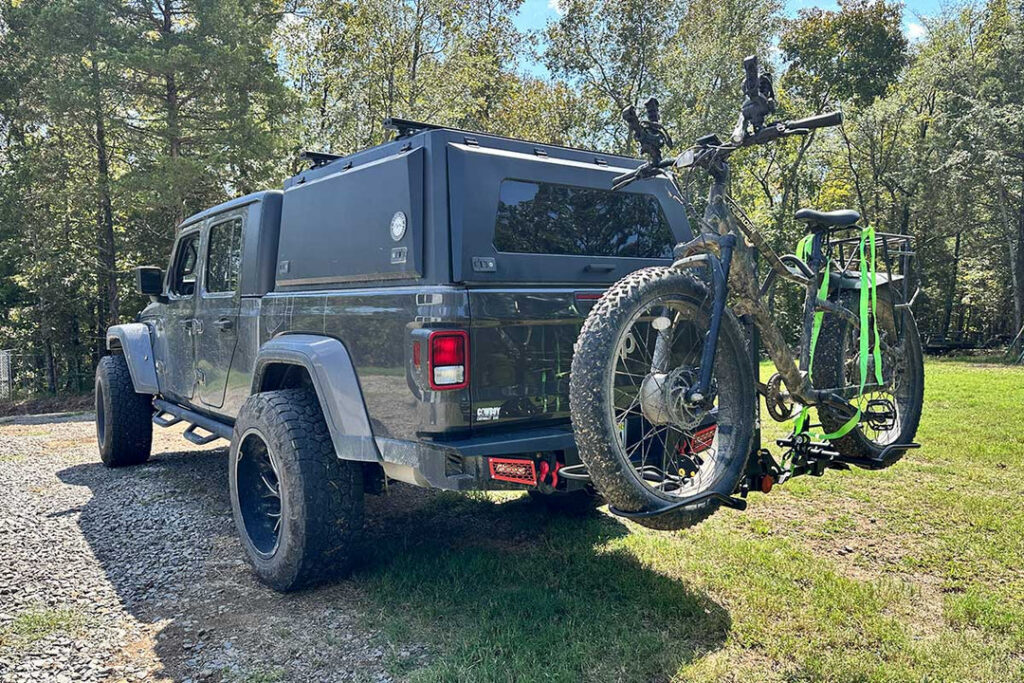
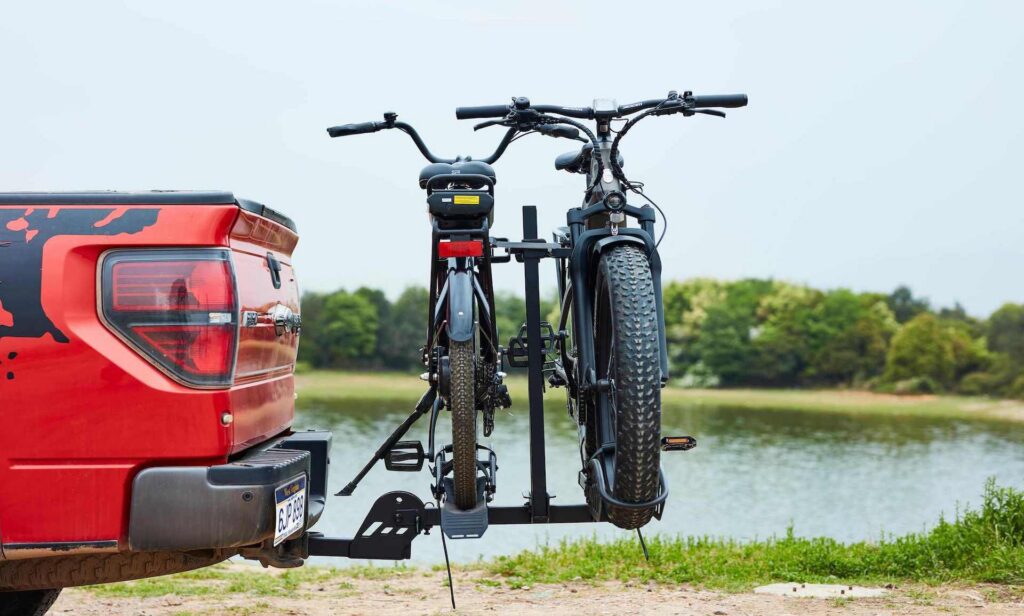
If there’s one part of the Young Electric catalog with a genuinely strong, repeatable reputation, it’s the racks. Across Judge.me, Walmart, and independent testing sites, the same words show up over and over: sturdy, strong, heavy-duty, stable. One owner reported carrying three ebikes at roughly 75 lbs apiece on a cross-country trip “with everything working great.” Another described a rack holding two fat-tire ebikes securely enough that they trusted it on gravel and back roads without hesitation. An independent rack-review site that tested the lineup directly echoed this, noting that pivoting arms and adjustable clamps make the racks compatible with a wide range of frame shapes, and that step-through bikes don’t need a separate top-tube adapter.
The single-bike version doesn’t tilt for trunk access, and the rear wheel strap on some models runs a bit light for the heaviest loads, worth a look before hauling maximum weight. Given how well the racks otherwise handle heavy fat-tire and electric bikes, it’s a minor asterisk on an otherwise strong track record.
Assembly and Instructions
The most common rack feedback isn’t about the hardware, it’s about the paperwork. Walmart reviewers point to the written assembly instructions as the main friction point, and a few mention loose-fitting outer arms straight out of the box that needed manual tightening before the rack felt fully secure. None of this is unusual for direct-to-consumer hardware, and watching the company’s install video first goes a long way toward a smooth first assembly.
Real-World Experience Patterns
Zoom out across both product lines and a clear pattern emerges: Young Electric’s engineering is genuinely solid, and buyers are consistently surprised by how well a budget-tier product performs. The camping trip reviews, the hunters who say the bike changed how far they can scout, the owners hauling two or three heavy ebikes without stability issues: these aren’t rare outliers, they show up consistently across Walmart, Tractor Supply, and the brand’s own product pages. The one thing worth knowing going in: a handful of reviewers noted slower-than-expected responses when they needed support for a shipping issue or a part replacement, so it’s worth keeping your order confirmation handy and, if it gives you peace of mind, buying through a retailer with its own return window.
Pricing and Value
On pure dollars, Young Electric is competitively priced. The E-Scout Pro’s list price is $2,599, but it’s consistently sold around $1,399 in its Matte Gun Metal colorway, a discount structure that’s common in direct-to-consumer ebike sales but still lands well below many established brands offering comparable battery capacity and motor output. The hitch racks range from roughly $270 to $650 depending on capacity and features like integrated ramps, in line with or slightly below competing heavy-duty rack brands.
Who Young Electric Is Best For
Young Electric makes the most sense for two overlapping groups. First, fat-tire and electric bike owners who need a genuinely heavy-duty hitch rack and don’t want to pay premium-brand prices. The weight capacity and build quality reviews are consistent enough to trust here, especially if you’re hauling two or three bikes at once for road trips. Second, budget-conscious hunters, campers, and trail riders who want real range and torque from an ebike without spending $2,500-plus.
Good to Know Before You Buy
Young Electric is currently built around one core ebike model and a Shopify-first sales channel rather than the broad catalogs and dealer networks of legacy brands. Worth knowing if you specifically want multiple frame or motor options, or prefer in-person service.
Bottom Line
Young Electric earns its reputation the right way: real owners hauling real weight over real miles, and an ebike that mostly delivers on its range and power claims at a price well below established competitors. The hitch racks in particular have one of the most consistent, genuinely positive track records in the category, and the E-Scout Pro backs up its spec sheet with real-world results. On price-to-performance alone, Young Electric is hard to beat.
FAQ
Is Young Electric a legitimate ebike company?
Yes, it’s a real, operating direct-to-consumer brand based in San Marcos, California, with products sold through its own site as well as Walmart and Tractor Supply. It’s a newer, smaller operation than legacy ebike brands, and it’s building a strong reputation quickly on both the bike and rack sides.
How much does the Young Electric E-Scout Pro cost?
It lists for $2,599 but is consistently sold around $1,399 in its standard colorway, with pricing and available colors fluctuating based on stock and promotions.
What is the real-world range of the E-Scout Pro?
Owner reports suggest the 80-mile claim is achievable on flat terrain at low pedal-assist levels, with somewhat less range expected on hills, higher assist settings, or with a heavier rider, standard for ebike range claims industry-wide.
Are Young Electric hitch racks good for heavy ebikes?
Yes. Multiple reviewers report successfully hauling two or three heavy fat-tire and electric bikes, including on long road trips and rough roads, without stability issues.
What’s the biggest complaint about Young Electric?
Response times to customer support requests can vary. It’s a good reason to buy through a retailer like Walmart or Tractor Supply if you want extra return coverage, though it hasn’t stopped most buyers from being happy with the product itself.
Does the E-Scout Pro come assembled?
It ships roughly 95% pre-assembled. Most owners report only needing to attach the front wheel and adjust the handlebars, making setup quick compared to bikes that arrive in full kit form.
Are Young Electric racks hard to assemble?
The hardware itself is generally straightforward, but reviewers point to the written instructions as the main friction point, so watching the company’s install video first is a smart move.