Updated on October 8, 2026
TLDR
ALPAKA makes technical, weatherproof bags and accessories for people who want gear that survives daily abuse without looking like a tactical backpack.
- What it is: A direct-to-consumer bag and accessory brand specializing in backpacks, slings, totes, pouches, and wallets made from technical fabrics like X-Pac and Axoflux
- Who it’s for: Commuters, travelers, and everyday carry enthusiasts who want durable, water-resistant gear with a clean aesthetic
- Top strength: Materials and construction, backed by a lifetime warranty and praised by multiple gear review outlets for weatherproofing
- Main limitation: Pricing sits in the premium range, and some popular colorways and sizes sell out quickly
- Quick verdict: Worth a look if you’re tired of bags that fall apart after a year of actual use
Jump to:
- TLDR
- Introduction
- What ALPAKA Actually Sells
- Pricing and Value
- Real-World Fit: Who Should Buy This
- Bottom Line
- Frequently Asked Questions
- What materials does ALPAKA use in its bags?
- Does ALPAKA offer a warranty?
- Is ALPAKA an eco-friendly brand?
- What is the HUB Ecosystem?
- How much do ALPAKA bags cost?
- What is the 10th Anniversary Decade Edition collection?
- Does ALPAKA sell apparel in addition to bags?
- Is there a resale option for ALPAKA products?
- Do ALPAKA products sell out often?
- Does ALPAKA have a mobile app?
Introduction
Finding a bag that actually holds up to daily commuting, travel, and the occasional rainstorm is harder than it should be. Most budget options start fraying at the seams within months, while a lot of “premium” brands charge luxury prices for materials that aren’t meaningfully different from what you’d find at a big box store. That gap between promise and performance is exactly where ALPAKA has built its business.
The brand positions itself around technical fabrics, modular accessory systems, and a sustainability angle that includes donating a percentage of every purchase to environmental nonprofits. The question worth answering is whether the construction and design actually justify the price tag, or whether this is another case of nice marketing photos covering up mediocre gear. Based on the product lineup, materials used, and third-party coverage referenced on their site, there’s a lot to unpack.
What ALPAKA Actually Sells
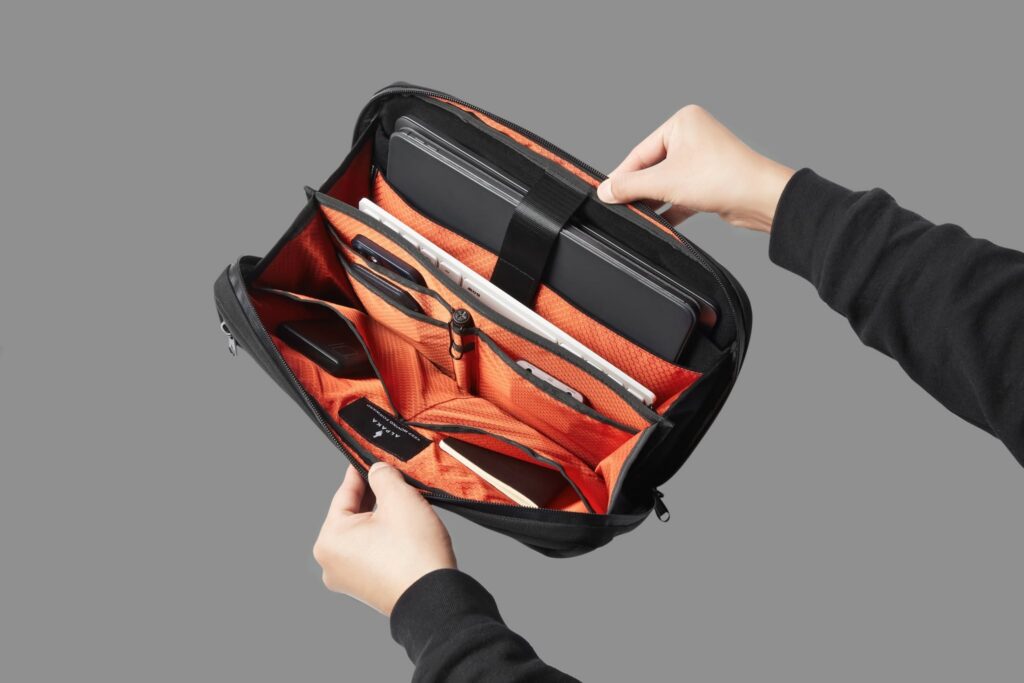
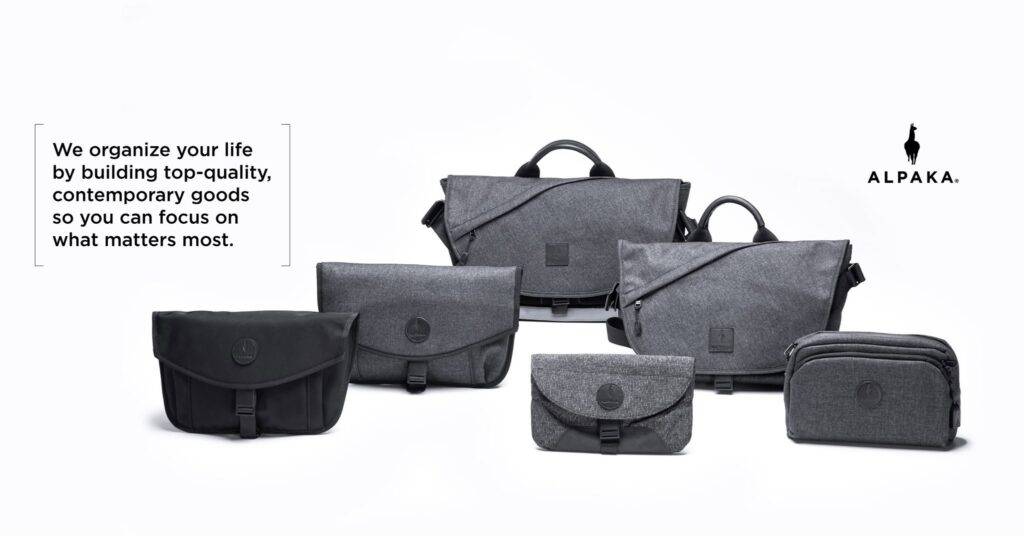
ALPAKA’s catalog breaks down into a few clear categories: backpacks, sling bags, totes and shoulder bags, briefcases and duffels, plus a smaller accessories line that includes tech organizers, pouches, wallets, and apparel. There’s also a dedicated “HUB Ecosystem,” which appears to be a modular system of pouches and organizers designed to work together or clip onto other bags via accessories like the HUB Carabiner.
The product range isn’t massive, but it’s focused. Flagship items include the Metro Backpack, Elements Backpack Pro, Flight Sling Pro, and the newly reintroduced 7ven Messenger as part of a 10th Anniversary Decade Edition collection. That anniversary release is notable because it signals a company that’s been operating long enough to look back and reissue its original hero product, which is a reasonable proxy for staying power in a crowded bag market.
Materials and Construction
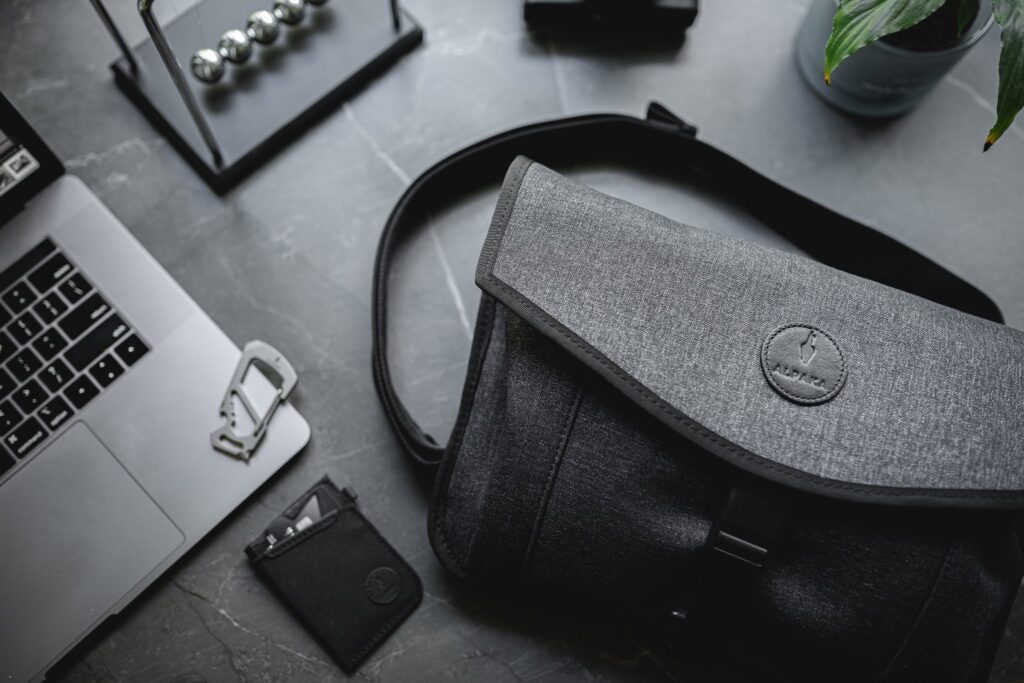
The fabric names show up constantly throughout the site: X-Pac, Axoflux, Ultradyne, and Ballistic Nylon. These are all technical, weather-resistant materials commonly used in outdoor and EDC gear, and ALPAKA seems to lean heavily into them rather than relying on generic polyester or canvas. Several products, including the Elements Backpack Pro and Metro Crossbody, are offered in multiple fabric options like Axoflux 400D Ripstop Nylon or X-Pac VX42, giving buyers a choice between slightly different weights and finishes depending on how rugged they want the bag to feel.
Third-party reviewers cited on the site back this up. Carryology called out ALPAKA’s HUB Pouch as a contender for “Best Weatherproof Pouch,” specifically praising its hardwearing construction. HiConsumption echoed a similar sentiment about how the pouch carries and feels in daily use. When multiple independent gear outlets land on the same conclusion about durability, that’s a stronger signal than a single glowing testimonial.
Pricing and Value
Pricing spans a wide range depending on what you’re buying. Smaller accessories like the HUB Pouch V2 start around $29, while the HUB Carabiner and Zip Clutch sit in the $29 to $45 range. Mid-tier items like the Flow Satchel and Metro Crossbody run from $99 to $149, and the larger bags like the Elements Backpack Pro and the 7ven Messenger climb into the $189 to $229 territory.
That puts ALPAKA solidly in premium EDC bag pricing, comparable to other direct-to-consumer technical gear brands rather than mass-market backpack companies. Whether that’s worth it depends on how much you value the fabric quality and lifetime warranty backing the purchase. A $229 messenger bag is a tough sell if you’re used to $50 options from big retailers, but it starts to make more sense when you consider most of these products are designed to be used daily for years rather than replaced annually.
Sustainability and Brand Values
ALPAKA ties 1% of every purchase to environmental nonprofits, and lists partnerships with organizations like 1% for the Planet, Surfrider Foundation, and Seatrees. They also mention using recycled and climate neutral fabrics across most of their product line. This isn’t just a footer mention either, it’s woven into the homepage messaging and appears to be a core part of how the brand markets itself.
For shoppers who factor sustainability into purchasing decisions, this is a meaningful differentiator compared to brands that treat eco-friendly claims as an afterthought. It won’t matter to everyone, but if ethical sourcing and environmental giving are on your checklist, ALPAKA checks that box more visibly than most bag companies in this price range.
Real-World Fit: Who Should Buy This
Based on the product lineup and the way it’s organized into gift guides for travelers, professionals, minimalists, and everyday carry fans, ALPAKA is clearly targeting people who think about their bag the way some people think about their phone or their shoes. These are buyers who want something functional, durable, and reasonably minimal in aesthetic rather than loud branding or flashy colors. The materials and modular HUB system also suggest an audience that likes customizing their setup rather than buying one bag and calling it done.
If you’re someone who travels frequently, commutes daily with a laptop, or just wants a pouch that won’t fall apart after getting rained on, this lineup covers those use cases well. The variety of sizes, from small pouches to 24L backpacks, means there’s likely something that fits most daily carry needs without going overboard into expedition-grade gear territory.
Who Should Look Elsewhere
If budget is the primary concern, ALPAKA probably isn’t the first stop. There are cheaper bags that will technically do the job, even if they won’t last as long or feel as refined. Shoppers who want bold colors, massive capacity for outdoor expeditions, or ultra-budget basics might find the catalog too narrow or too pricey for their needs.
It’s also worth noting that popular items and limited-edition colorways sell out, based on the “Sold Out” tags showing up across several product listings on the site. If you’re set on a specific color or size, you may need to move quickly or check back for restocks, which isn’t ideal if you’re shopping on a tight timeline for a gift or trip.
Bottom Line
ALPAKA has built a focused catalog around technical fabrics, modular accessories, and a sustainability angle that shows up consistently throughout their site rather than feeling bolted on. The lifetime warranty, third-party praise for weatherproofing, and a 10th anniversary reissue of their original product all point to a brand that’s been doing this long enough to refine what works. Pricing sits firmly in premium territory, but for daily carry gear meant to last years instead of months, that cost starts to make more sense.
The main tradeoffs are the price point itself and the risk of popular items selling out before you can grab them. If neither of those is a dealbreaker, this is a brand worth considering for anyone upgrading their everyday bag setup. The open question is whether the premium pricing will stay justified as the catalog grows, or whether quality will need to scale alongside it to keep up with demand.
Frequently Asked Questions
What materials does ALPAKA use in its bags?
ALPAKA primarily uses technical fabrics including X-Pac, Axoflux, Ultradyne, and Ballistic Nylon. These materials are chosen for water resistance and durability, and many products come in multiple fabric options so buyers can choose based on weight and finish preferences.
Does ALPAKA offer a warranty?
Yes, ALPAKA advertises a lifetime warranty on its products, which is highlighted directly on the homepage alongside other trust signals like secure checkout and 24/7 customer support.
Is ALPAKA an eco-friendly brand?
ALPAKA states that 1% of every purchase goes to environmental nonprofits, and they partner with organizations like 1% for the Planet, Surfrider Foundation, and Seatrees. They also mention using recycled and climate neutral fabrics in most of their products.
What is the HUB Ecosystem?
The HUB Ecosystem appears to be a line of modular pouches and accessories, including items like the HUB Pouch V2 and HUB Carabiner, designed to work together or attach to other bags for added organization.
How much do ALPAKA bags cost?
Prices range widely depending on the product. Small accessories like pouches and clutches start around $29 to $45, mid-size bags like satchels and crossbodies run $99 to $149, and larger backpacks and messenger bags reach $189 to $229.
What is the 10th Anniversary Decade Edition collection?
This is a limited edition collection released to mark ALPAKA’s ten years in business, featuring a reissue of the 7ven Messenger, which the brand describes as the bag that started the company.
Does ALPAKA sell apparel in addition to bags?
Yes, apparel is listed as part of their accessories category alongside tech organizers, pouches, and wallets, though bags remain the primary focus of the catalog.
Is there a resale option for ALPAKA products?
Yes, ALPAKA operates a separate resale marketplace linked from their main site, allowing customers to buy or sell previously owned ALPAKA gear.
Do ALPAKA products sell out often?
Based on the product listings, several colorways and limited edition items show as sold out, suggesting that popular releases move quickly and may require checking back for restocks.
Does ALPAKA have a mobile app?
Yes, the ALPAKA app offers early access to product drops, app-exclusive items, order tracking, and wishlist features, and is available for both iOS and Android devices.